


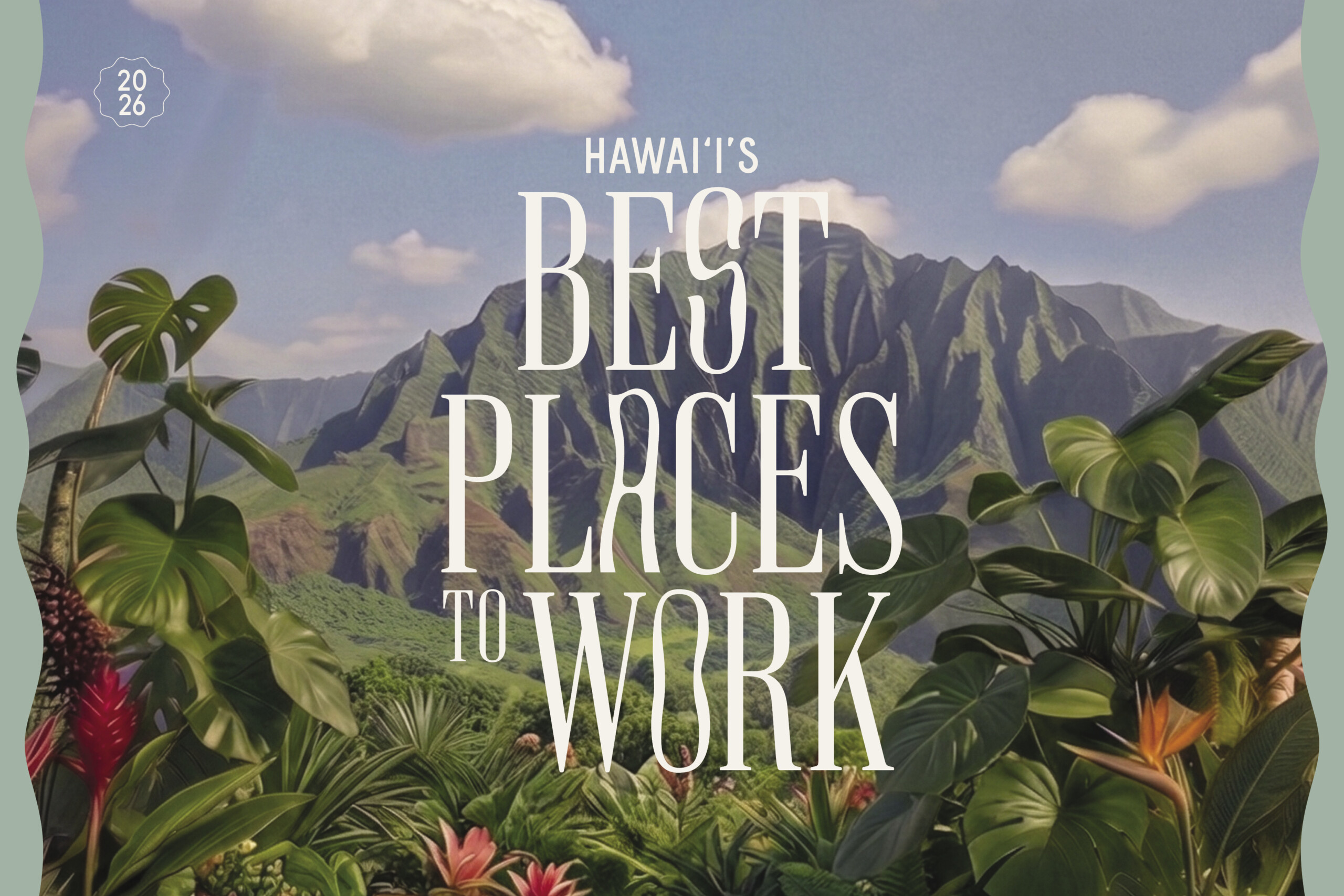
Insights from Hawaii Business Magazine’s Best Places to Work Survey
The annual survey conducted by Hawaii Business Magazine has revealed that the top companies in Hawai‘i are prioritizing employee engagement through exceptional benefits and best practices. Despite this, many employees express concerns about affording the high cost of living in the Islands.
The Unique Challenges of Employment in Hawai‘i
Employers in Hawaii face unique challenges while delivering quality products and services in a competitive market. They must balance the idyllic lifestyle and natural beauty that the Islands offer with the stark reality of high living costs. Many residents, including employees, struggle to stay above the poverty line despite working multiple jobs.
Acknowledging Organizational Commitment
The Hawaii Business Magazine recognizes organizations—both profit-making and nonprofit—that strive to be the best places to work. In 2026, the magazine celebrates 91 employers that understand the challenges of operating in Hawaii and make commendable efforts to keep their employees fulfilled and productive.
Employee Sentiments and Leadership
Results from the survey, conducted by Workforce Research Group, indicate that employees feel positively about their work and the leadership of their organizations. Many respondents agree with sentiments like, “I like what I do for this organization” and “I believe in this organization’s leadership.” Tracie Foglia from the Hawaii Employers Council emphasizes the importance of nurturing the employee-supervisor relationship as a catalyst for fostering a positive work culture.
Employment Trends and Challenges
The survey also highlights a mixed employment outlook in the state. According to UHERO’s recent projection, a gradual recovery is on the horizon after a mild job recession, with specific sectors like construction and healthcare expected to experience job growth. Employers are recognized for their generous retirement benefits and health insurance contributions—averaging 69% of premiums paid by employers. Yet challenges remain, particularly in job satisfaction regarding total compensation packages.
Work-Life Balance: An Area for Improvement
While many organizations offer great benefits, the survey indicates that work-life balance remains a significant area for growth. Employees express concerns about their workload and lack of encouragement to take planned time off. This issue may partly stem from ingrained workplace cultures where working after hours seems to be the norm rather than the exception.
Addressing Living Wage Challenges
Compensation continues to be a pressing issue, with many employees working multiple jobs to afford living in Hawaii. The concept of a “luxury tax” comes into play, as salaries often do not align with the high cost of living. Leaders from various sectors are initiating a 20-year goal called Hawai‘i’s Generational Workforce Commitment, aimed at ensuring living-wage jobs for residents. Governor Josh Green has voiced support for this effort, highlighting it as a long-term solution rather than a quick fix.
This HTML format offers structured headings and well-organized paragraphs while incorporating relevant keywords naturally for SEO optimization.
Exploring Hawaii’s Best Employers: A Commitment to Employee Satisfaction
Hawaii boasts some of the world’s most attractive working environments, merging stunning landscapes with organizations dedicated to employee well-being. Each year, local surveys shed light on the companies that not only offer exceptional benefits but also foster a culture where employees feel valued and engaged.
The Challenge of Living in Paradise
Despite the picturesque surroundings and job satisfaction, many residents grapple with the high cost of living in Hawaii. This paradox presents a challenge for employers striving to attract and retain talent amidst soaring expenses. Many workers find it increasingly difficult to manage daily costs, even while juggling multiple jobs.
Employee Engagement and Workplace Culture
Recent surveys highlight a strong positive sentiment among employees in Hawaii regarding their positions and organizational leadership. Close relationships with supervisors are recognized as key elements contributing to overall job satisfaction. Organizations that emphasize direct communication and involve supervisors in decision-making processes tend to create a more cohesive work environment.
Areas for Improvement in Employment Practices
While many companies excel in providing benefits and support programs, there remains significant room for growth. The current economic climate affects job retention and satisfaction, prompting employers to seek innovative solutions for attracting top talent. Retirement benefits and health insurance are widely offered, yet the challenge of work-life balance still plagues many organizations.
The Importance of Work-Life Balance
Work-life balance emerged as a critical area needing attention, particularly as younger generations prioritize personal time and well-being. Leaders are encouraged to adopt practices that respect personal boundaries, ensuring teams feel supported in their roles without sacrificing their lives outside of work. Initiatives aimed at promoting personal time are crucial for enhancing employee morale and productivity.
Diversity, Equity, and Inclusion Initiatives
Efforts towards fostering a diverse and inclusive workforce are becoming a pivotal focus for many organizations. Companies are increasingly implementing policies to promote equity in hiring and treatment of employees. However, opportunities for childcare support remain limited, indicating a need for further development in this critical area that directly impacts workforce participation, particularly for women.
Advancing Towards Living-Wage Jobs
Employee satisfaction often hinges on fair compensation, which remains a pressing issue within Hawaii’s workforce. Many individuals work multiple jobs to meet financial requirements, further complicating turnover rates. The call for living-wage jobs is louder than ever, with community leaders promoting initiatives aimed at creating economic opportunities that allow residents to thrive in their home state.
Conclusion: Commitment to Excellence in the Workplace
Employers in Hawaii are steadily working to navigate the complexities of maintaining employee satisfaction amidst external challenges. Continuous improvements in workplace culture, combined with a commitment to fair compensation and support systems, will enable Hawaii to uphold its reputation as a desirable place to work. The ultimate goal is to foster an environment where all residents can enjoy both their professional and personal lives fully.
This structured article provides insights into the important aspects of workplace culture in Hawaii, emphasizing employee satisfaction, compensation, and organizational strategies to create a better work environment. It’s designed to engage readers while being SEO-friendly through the use of relevant keywords.
