


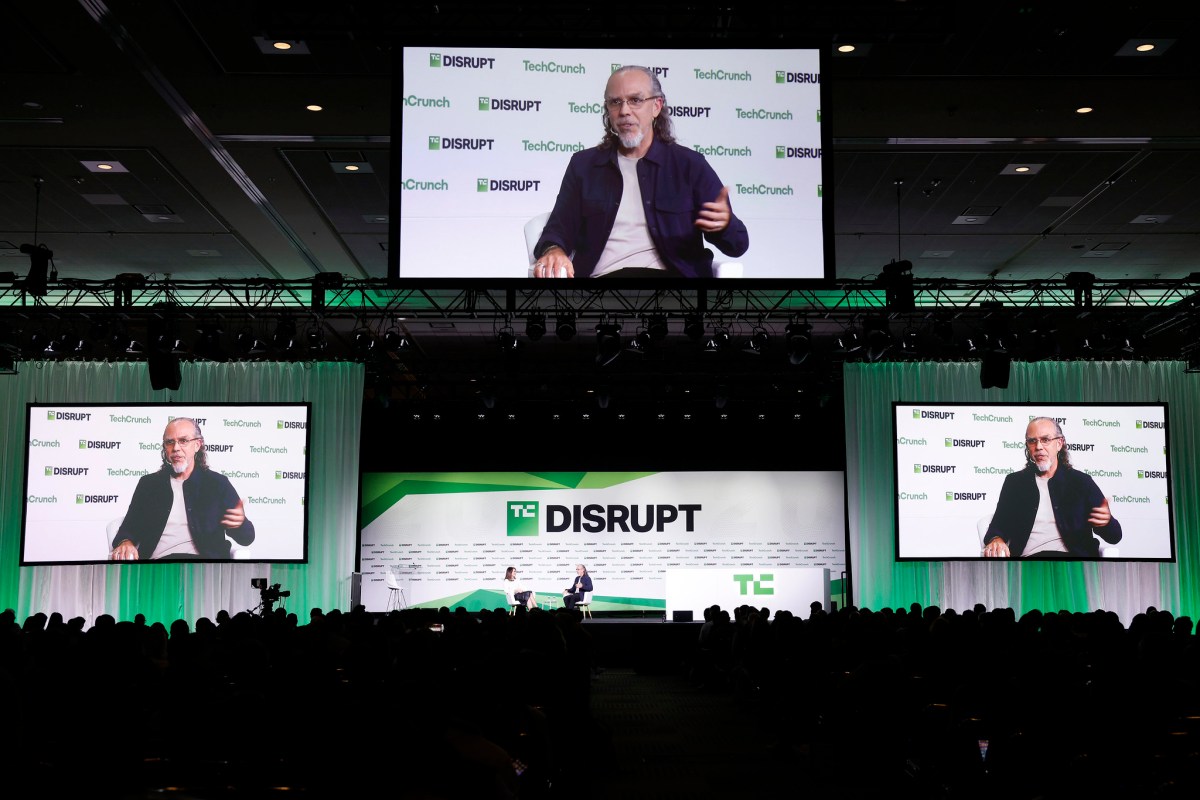
Alphabet’s innovative X lab is revolutionizing its approach to technology projects by spinning them out as independent companies rather than maintaining them within the Alphabet corporate umbrella, according to Astro Teller, the head of X, during his recent talk at TechCrunch Disrupt 2025.
Introduction to X’s Spinout Strategy
Astro Teller revealed that X is implementing a new strategy focused on fostering innovation through independence. This approach allows successful projects to function autonomously, facilitating faster development and market responsiveness. Teller emphasized that this shift is essential for projects that could thrive outside Alphabet’s corporate structure.
Series X Capital: A Dedicated Venture Fund
Central to this strategy is Series X Capital, a venture fund that has successfully raised over $500 million and is managed by Gideon Yu, a notable former YouTube executive and CFO at Facebook. Unlike Alphabet’s typical investment arms, Series X Capital is legally required to invest only in companies emerging from X, enabling targeted support for ambitious projects.
The Evolution of Project Development at X
Historically, X has transitioned successful initiatives like Waymo and Wing into self-sufficient Alphabet subsidiaries. However, Teller notes that many ambitious projects can progress more rapidly and effectively if they are not bound by the complexities of being part of a larger corporate entity. This evolution fosters a more dynamic and agile environment for innovation.
Cultivating a Culture of Intellectual Honesty
At the core of X’s methodology is a commitment to intellectual honesty, which includes a culture that actively encourages the discontinuation of ideas that show unpromising potential. This “test ruthlessly” approach enables X to zero in on viable moonshots while quickly discarding those that don’t meet stringent criteria for innovation.
Defining a Moonshot: Criteria and Testing
Teller articulates three essential components for any idea to qualify as a moonshot: it must address a significant global problem, propose a feasible solution to that problem, and leverage breakthrough technology that instills a sense of hope within the team. Ideas that sound reasonable are not considered moonshots, as they lack the requisite boldness and risk-taking that drive true innovation.
The Benefits of Detachment from Ideas
Implementing this spinout framework necessitates a degree of detachment from ideas among team members. Teller pointed out that he often does not know the origin of many projects, including industry leaders like Waymo and Wing. By fostering an environment where team members can leave their personal attachments behind, X promotes a culture of candid evaluations and rigorous testing.
Successful Spinouts and Future Prospects
In 2025 alone, X has successfully spun out ventures such as Taara, specializing in wireless optical communication technology, and Heritable Agriculture, which focuses on utilizing AI to accelerate crop breeding. The latest endeavor announced is Anori, a distinctive AI platform aimed at aiding real estate and construction industries in navigating complex projects. Such initiatives underline X’s commitment to addressing relevant global issues through innovative solutions.
In summary, X’s strategic shift towards spinouts not only enhances innovation but also allows projects to maximize their potential without the constraints of a larger corporate structure. This model represents a transformative approach to technological advancement, positioning X as a leader in developing groundbreaking solutions to global challenges.
Alphabet’s X Moonshot Factory: A New Era for Technology Spinouts
Alphabet’s innovative division, X, is redefining its approach to launching groundbreaking technology projects. Instead of integrating successful projects into its corporate structure, X is increasingly spinning them out as independent entities. This paradigm shift was highlighted by Astro Teller, the head of X, at the recent TechCrunch Disrupt 2025 conference.
Strategic Spinouts Supported by Dedicated Funding
Central to this new strategy is Series X Capital, a dedicated venture fund that has raised over $500 million. This fund is distinct in that Alphabet acts only as a minority investor, allowing X to foster independent growth for its spinouts. Teller emphasized the importance of this structure, noting that being a sole limited partner would keep projects too closely tied to Alphabet, undermining the intended benefits of independence.
A Shift from Subsidiaries to Independent Ventures
This transformation marks a significant departure from X’s traditional model, where successful initiatives like Waymo and Wing evolved into Alphabet subsidiaries. Over a decade, X has learned that while some innovations thrive with Alphabet’s backing, others may flourish faster without the larger company’s constraints. According to Teller, distancing these projects from the organizational “membrane” of Alphabet enables them to operate more effectively.
The Testing Philosophy Behind Moonshots
A critical aspect of X’s methodology is its commitment to intellectual honesty. Teller explained that the culture at X encourages teams to rigorously evaluate their ideas, even if that means abandoning potentially promising projects. By defining a moonshot as a venture aiming to tackle a significant global issue with innovative solutions, X fosters an environment that prioritizes thorough testing and candid assessments.
Embracing Failure as a Feature
X’s ambitious testing regime results in a low success rate, with Teller openly acknowledging a 2% hit rate. He reframes this statistic from a perspective of failure to a hallmark of their innovative culture. Historical data indicates that X has eliminated entire market segments like copywriting AI, allowing them to focus on projects with higher potential impact.
Financial Incentives and Employee Engagement
Despite the focus on independence, X offers meaningful financial incentives to employees whose projects spin out. Teller emphasized that team members receive equity stakes in spun-out companies commensurate with typical startup opportunities, without the associated risks. This structure aims to attract innovative thinkers willing to contribute to disruptive technologies without jeopardizing their financial well-being.
New Ventures and Future Innovations
In 2025 alone, X has successfully spun out multiple companies, including Taara and Heritable Agriculture, showcasing the benefits of their revised approach. Recently, X introduced Anori, an AI platform aimed at resolving complexities in the real estate and construction sectors. Teller noted the substantial environmental implications of the built environment, highlighting the project’s potential for significant positive impact.
As this new model evolves, X continues to emphasize its mission of innovation and disruption. With moonshots at its forefront, these spinouts promise to redefine multiple industries and make meaningful contributions to societal challenges.
