


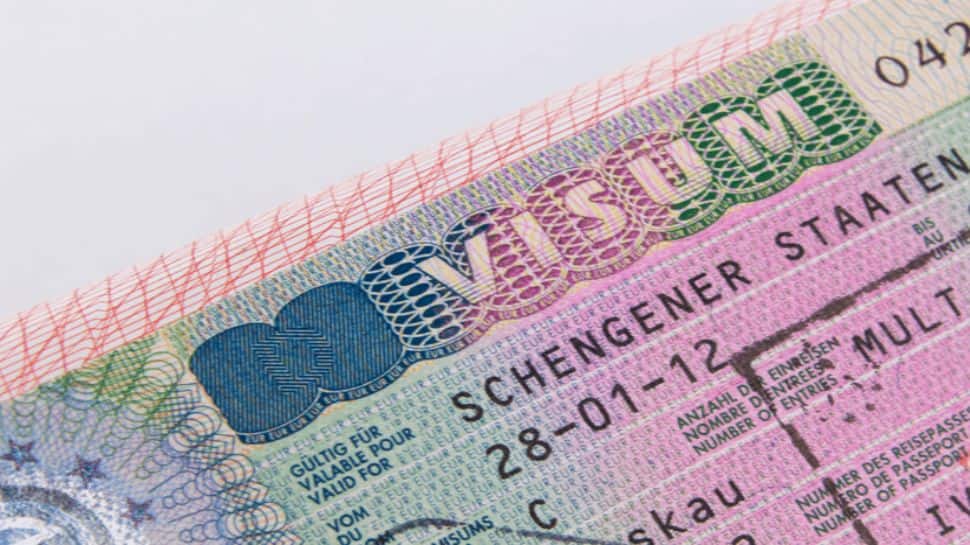
Introduction to Germany’s Freelance Visa
Germany has launched an innovative Freelance Visa, aimed at attracting global talent, including professionals from outside the European Union (EU), such as Indians. This visa permits individuals to live and work in Germany as freelancers for a duration of up to one year, with the possibility of extending it for up to three years, provided the necessary eligibility criteria continue to be met.
Who Can Apply for the Freelance Visa?
The Freelance Visa, officially known as the Freiberufler visa, is primarily designed for self-employed professionals, including but not limited to writers, designers, consultants, and artists. Germany seeks to enhance its cultural and intellectual economy by welcoming diverse professions that contribute significantly to the society.
Eligibility Criteria for Applicants
The application process for the Freelance Visa is structured and requires applicants to fall within specific categories outlined in Section 18 of the German Income Tax Act. Eligible roles include engineers, lawyers, commercial chemists, physiotherapists, translators, pilots, architects, and educators, among others.
Document Requirements for Application
To apply for the Freelance Visa, applicants must ensure their passport is issued within the last decade and contains at least two blank pages. Additionally, they need to demonstrate financial self-sufficiency, which translates to a stable monthly income of approximately 1,280 euros (around Rs 1,27,844). Health insurance is mandatory, along with verified qualifications, whether it’s a university degree or equivalent professional training.
Presenting Your Freelance Work
A successful application hinges on the presentation of solid evidence related to freelance work. This includes professional contracts or letters of intent from clients in Germany or other European countries. A structured plan detailing the kind of freelance activities you intend to pursue, a polished CV, and recent passport photos are essential components for your application.
Special Considerations for Applicants over 45
For applicants aged 45 and above, additional documentation is required to prove that a retirement plan is in place, which could consist of pensions, savings, or other assets. This requirement is aimed at ensuring that older freelancers are safeguarded against future financial hardship.
Steps Following Visa Approval
Once all documentation is prepared, the application process begins at your local German consulate or embassy, where you will fill out the National D Visa application and submit your biometric data. Upon approval—which typically takes three to six months—you’ll need to register your address within two weeks of arrival in Germany and subsequently apply for a freelance residence permit through the local Foreigners’ Office.
Pathway to Permanent Residency
If successful, freelancers often find opportunities to extend their stay in Germany. The initial visa can be renewed for up to three years as long as criteria are met. For those who establish roots—by residing for five consecutive years, learning the language, and demonstrating financial stability—a pathway to permanent residency becomes available.
Conclusion: Embrace the Opportunity
Germany’s Freelance Visa offers a unique opportunity for creative minds and independent professionals, combining work with an enriching lifestyle. With its blend of heritage and modernity, beautiful landscapes, and vibrant culture, Germany invites you to not only work but to experience life fully. Ready your documentation and prepare to embark on a remarkable journey, as Germany opens its doors to those willing to walk through them on their own terms.
Germany’s New Freelance Visa: A Guide for Non-EU Professionals
Germany has unveiled an exciting opportunity for non-European Union citizens, allowing freelancers—including Indian nationals—to live and work in the country for up to one year. This initiative is part of Germany’s greater ambition to attract global talent and enrich its economy with diverse skills and expertise.
What is the Freelance Visa?
The Freelance Visa, also referred to as the Freiberufler visa, is designed specifically for self-employed individuals across various fields such as writing, design, consulting, and art. This visa offers professionals the chance to immerse themselves in German culture while pursuing independent work. Notably, if applicants continue to meet the necessary conditions, this visa can be extended for an additional three years.
Eligibility Criteria and Professions
To ensure the visa attracts the right candidates, Germany has established clear eligibility criteria. Various professions qualify under Section 18 of the German Income Tax Act, including engineers, lawyers, architects, translators, and more. Individuals must demonstrate that they can effectively contribute to Germany’s cultural and economic landscape.
Essential Requirements for Application
When applying for the Freelance Visa, you’ll need a valid passport issued within the last ten years, with at least two blank pages. Additionally, proof of financial stability is crucial; applicants must showcase a stable monthly income of approximately €1,280. Furthermore, health insurance is mandatory, and qualifications must be verified through appropriate documentation.
Document Preparation and Application Process
It’s imperative to compile a compelling application. Evidence of freelance work, such as professional contracts or client letters, is essential. Alongside this, applicants should prepare a detailed plan outlining their freelance activities, a polished CV, and recent passport photographs. For applicants aged 45 and above, providing proof of a retirement plan—whether through pensions, savings, or investments—is also required to ensure long-term financial security.
Navigating the Application Path
Once your documents are in order, the next step is to fill out the National D Visa application form and schedule an appointment at the nearest German consulate or embassy. This process involves the submission of your paperwork and biometric data. If successful, your visa will be approved valid for three to six months, allowing ample time for relocation and settling into Germany.
Establishing Residency and Future Opportunities
After arriving in Germany, new residents need to register their address within two weeks. Subsequently, a visit to the local Foreigners’ Office is essential to officially apply for a freelance residence permit, extending your stay beyond the initial visa. If successful, the visa may be renewed, and for those who maintain financial stability and learn the language, permanent residency could become a reality after five years.
Responsibilities of Freelancers in Germany
While enjoying the freedoms of freelancing in Germany, it’s crucial to understand the responsibilities that come with it. Freelancers must register with the German tax office and obtain a distinct tax number, ensuring compliance with the country’s tax obligations. In return, individuals gain access to top-notch infrastructure, a thriving market, and a work-life balance that harmonizes productivity with leisure.
Conclusion: Unlocking Opportunities in Germany
Germany is inviting creative professionals and independent workers to seize this opportunity, blending a lifestyle where history intersects with modern innovation. Whether you’re looking for career advancement or a fresh start, the Freelance Visa is your gateway to an enriching experience in a country known for its dynamic culture.
