


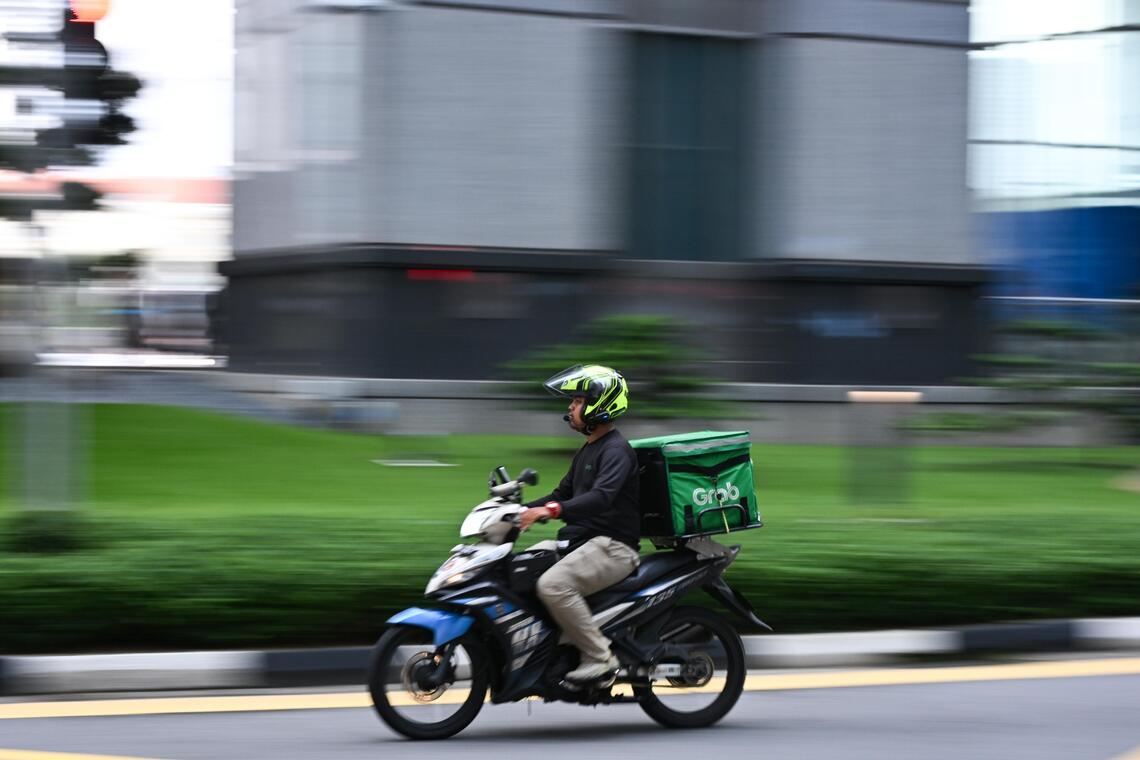
Understanding Singapore’s Stance on the Freelance and Platform Economy
Singapore’s position on the freelance and platform economy can often appear contradictory. As the gig economy continues to expand globally, the city-state navigates its own unique challenges in balancing growth with regulation.
The Importance of a Legal Framework
On one hand, Singaporean authorities maintain a stringent policy against foreign workers engaging in on-demand jobs without valid work passes. This regulatory approach is designed to protect local jobs, ensuring that opportunities are available to Singaporeans first.
Economic Impact of the Gig Economy
The growth of the gig economy has significant implications for Singapore’s overall economy. Freelancing and platform-based work encourage innovation and flexibility, contributing to the financial landscape. However, the government remains cautious about its long-term effects on traditional employment and local wages.
Regulating Foreign Participation
With an influx of foreign talent, serving in sectors such as technology and services, regulations have become increasingly relevant. These policies ensure that local freelancers and gig workers do not find themselves competing against foreign workers who may operate without oversight.
Local Workers and Job Opportunities
The government’s focus on local employment extends to the gig economy, where various initiatives are being rolled out to enhance skills among Singaporeans. This aims to prepare local workers for the evolving job requirements associated with the freelance economy.
Balancing Growth and Regulation
The challenge for Singapore lies in maintaining a balance between fostering the gig economy’s growth and imposing necessary regulations. Policymakers must carefully consider measures that encourage entrepreneurial spirit without compromising local job security.
The Future of Freelancing in Singapore
As Singapore continues to adapt to the changing economic landscape, the future of freelancing and platform work remains a topic of importance. It is crucial for both employers and policymakers to collaborate and develop strategies that harness the potential of the gig economy while safeguarding the interests of local workers.
Understanding Singapore’s Approach to the Gig Economy
The gig economy has been a hot topic globally, and Singapore’s approach to this evolving marketplace is particularly intriguing. In recent years, the city-state has taken significant steps to understand and regulate this growing sector, balancing innovation with the need for compliance. As remote work and freelance opportunities surge, the dynamics of employment in Singapore are undergoing a transformation.
The Rise of the Gig Economy in Singapore
In Singapore, the gig economy encompasses a wide array of freelance and platform-based jobs that typically offer flexibility and a chance for workers to earn extra income. This sector has seen impressive growth, driven by technological advancements and changing workforce preferences. Many individuals are drawn to freelance roles due to their autonomy, but this shift raises important questions about labor rights and employment regulations.
Work Regulations: Foreign Workers in the Gig Economy
Despite the growing acceptance of freelance work, Singaporean authorities maintain strict regulations regarding foreign workers in the gig economy. Foreigners seeking to participate in on-demand jobs are required to possess valid work passes. This stringent approach aims to protect local jobs and ensure that all gig workers comply with national employment laws.
Impact on Employers and the Local Workforce
Employers operating within the gig economy face unique challenges due to these regulations. Companies must navigate compliance intricacies while also balancing the demand for workers. The local workforce benefits from these regulations, as they help ensure job opportunities remain available for Singaporean citizens and residents. However, businesses may find it harder to fill roles, which can ultimately affect service delivery.
Potential Implications for Growth
While stringent regulations may protect the local workforce, they can also stifle growth within the gig economy. These limitations may deter foreign talent from contributing to Singapore’s diverse economic landscape, hindering creativity and innovation. Striking the right balance between regulation and opportunity is essential for nurturing a thriving gig economy that benefits everyone.
The Future of Freelancing in Singapore
As the gig economy continues to evolve, Singapore must remain adaptable. Policymakers may need to reevaluate existing regulations and consider introducing more flexible frameworks that promote growth while protecting local interests. Education and training programs for freelancers could also play a vital role in enhancing skills and improving employability.
Conclusion: Navigating the Gig Economy in Singapore
Singapore’s stance on the gig economy presents a mix of opportunities and challenges. By upholding stringent regulations for foreign workers while supporting local employment, the city-state aims to foster a stable economic environment. As we look to the future, ongoing dialogue between authorities, employers, and gig workers will be crucial in shaping a sustainable gig economy that adapts to the needs of all stakeholders.
