


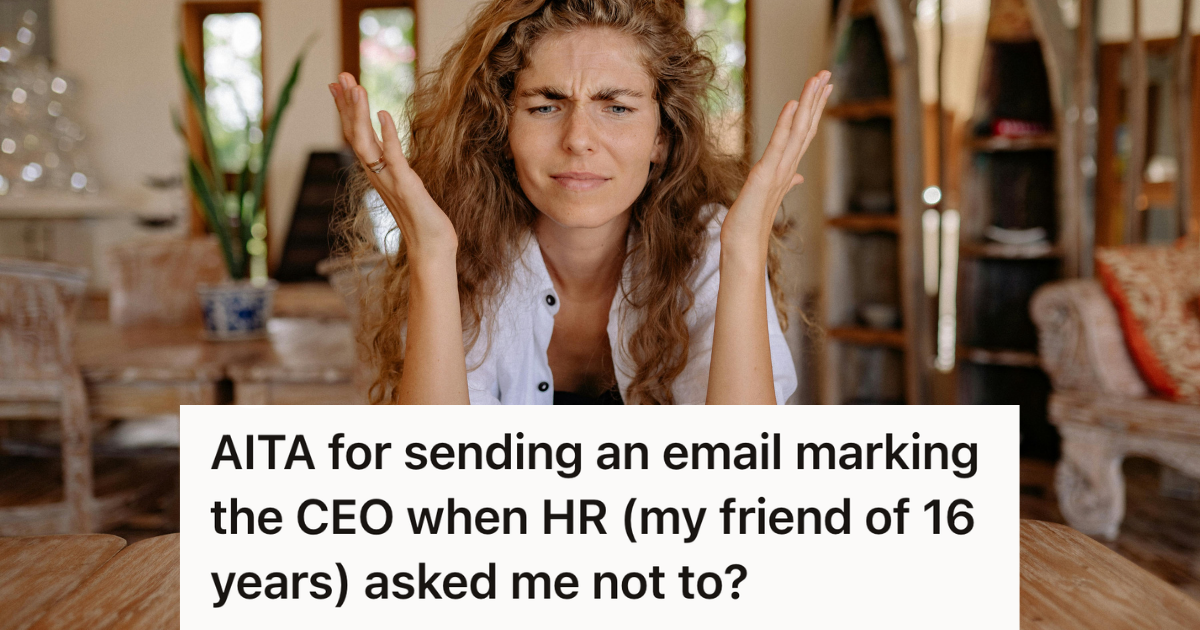
Freelancing offers a flexible lifestyle, but it’s vital to ensure fair compensation for your work. Recently, a conflict arose between a freelance writer and her HR friend over unexpected pay cuts, demonstrating the delicate balance between friendship and professional ethics.
The Freelance Opportunity
The freelance writer, having known her HR friend for 16 years, applied for a writing position at her friend’s company. After completing interviews and assignments, she secured the position as a Social Media Content Writer, along with the responsibility of writing blogs on occasion.
Negotiating Fair Compensation
Before starting, the freelancer worked hard to define her scope of work, negotiating a monthly package for social media tasks and a per-word rate for blog posts. This agreement seemed equitable, especially since blog requirements weren’t a monthly obligation.
Payment Discrepancies Arise
As the month progressed, the freelancer sought clarity on her payment, only to be informed by her HR friend that she would be compensated solely on a per-word basis—contrary to their initial agreement. Disheartened by the sudden change, she learned that the compensation offered was even less than what an intern might earn.
Communication Breakdowns
After several communications, including a request for the payment structure, the HR friend requested more time to resolve the issue. With no payment received by day’s end, the freelancer felt compelled to escalate her concerns to the CEO of the start-up, further complicating her relationship with her HR friend.
Seeking Resolution
The involvement of the CEO led to re-evaluation of the freelancer’s compensation, but tensions mounted. The HR friend expressed frustration toward the freelancer for escalating the matter but ultimately acknowledged the pay disparity as unfair.
Advocating for Fairness
The freelancer believed it was the HR’s responsibility to honor the original agreement made with her as a contractor. She felt justified in her actions, as her income was at stake. This case highlights a key takeaway for freelancers: standing up for one’s worth is vital, particularly in a competitive job market.
Final Thoughts
This incident illustrates the importance of clear communication and accountability in freelance work. As a freelancer, if you don’t advocate for your own value, it’s unlikely anyone else will. Fair compensation for your skills should always be a priority, even when working with friends or acquaintances.
Freelancing and Fair Pay: A Cautionary Tale
Freelancers must navigate the fine line between flexibility and fair compensation. No matter the industry, here’s a compelling story of one writer who fought for her rights and the lessons learned about navigating work relationships.
The Opportunity
Freelance opportunities often arise through personal connections. In this case, a seasoned freelance writer learned about an opening for a Social Media Content Writer at a friend’s company. After successfully completing all necessary steps—including assignments and interviews—she secured the position that also included occasional blog writing.
Negotiating Payment Terms
From the outset, the writer worked diligently to outline clear payment structures based on her contributions. She and the HR manager, her long-time friend, came to an agreement: a monthly package for social media content and a per-word rate for blog posts. This clarity set an expectation that both parties acknowledged.
The Payment Discrepancy
However, things began to unravel when the freelancer reached out to confirm her payment details. The HR friend informed her that she would only be compensated per word, a significant deviation from their earlier agreement. This revelation left the freelancer feeling undervalued as she had completed much more than merely social media tasks, including comprehensive website content and blogs.
A Firm Stand
Feeling it was unjust, the freelancer directly contacted the HR manager to discuss the discrepancy. She expressed her dissatisfaction, stating that they had not discussed separate payments for varied formats beforehand. When she learned that the compensation was woefully inadequate, she knew she needed to take further steps.
Escalation to Management
After waiting for an update that never came, the freelancer escalated the matter to the company’s CEO. A decision-maker in this startup environment, the CEO responded affirmatively, agreeing to reevaluate the payment situation. However, this action strained the relationship between the freelancer and her friend, who felt threatened by this escalation.
Reflection on Professional Relationships
The incidents raised the question of professional responsibility within friendships. The freelancer felt it was her HR friend’s duty to uphold the initial agreement. Conversely, her friend was stressed about the implications of stepping in on compensation matters. This conflict of interest illuminated the challenges of mingling personal and professional relationships.
The Importance of Advocacy
This experience reinforced a vital freelancing lesson: advocating for one’s worth is crucial. The inability to stand up for oneself can lead to exploitation, especially in the freelance world. As freelancers, it’s essential to know your value and ensure that it’s reflected in your compensation. If you don’t advocate for yourself, chances are that no one else will.
In conclusion, navigating the complex dynamics of freelancing and personal relationships requires both careful negotiation and self-advocacy. By sharing this story, we hope to empower freelancers to fight for fair treatment and assert their rights in professional settings.
