


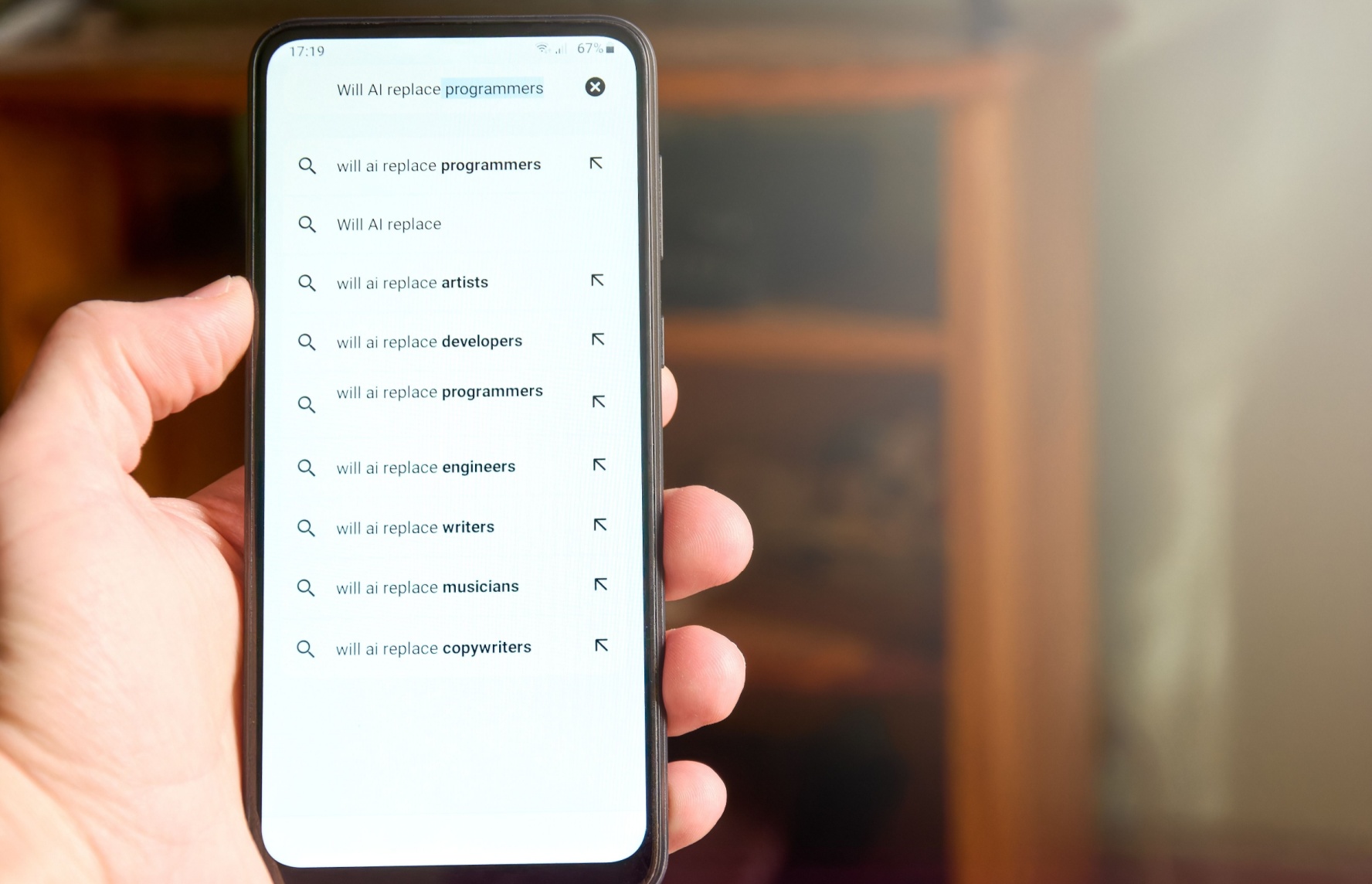
In recent years, generative artificial intelligence (AI) and large language models (LLMs) have rapidly transformed various sectors, becoming essential tools across industries like education, media, law, and customer service. A McKinsey report from 2024 indicates that 71% of organizations are leveraging generative AI for at least one business function. This surge in adoption has sparked critical discussions among business leaders and policymakers about how to utilize these innovative tools while addressing their associated risks.
The Impact of Generative AI on the Labor Market
The most concerning aspect of generative AI is its potential to disrupt the labor market. Research by Eloundou et al. (2024) suggests that nearly 80% of the U.S. workforce may see at least a 10% impact on their job tasks due to LLMs, with about 19% facing more than half of their responsibilities affected. These developments raise essential questions regarding job security and the future of work.
Analyzing Freelance Workers in the Age of AI
To explore the effects of generative AI on employment, we conducted a study focusing on freelancers working on platforms like Upwork. Our findings (Hui et al., 2024) reveal that freelancers exposed to generative AI experienced a notable decline: a 2% reduction in monthly contracts and a 5% drop in earnings following the introduction of new AI tools in 2022. This disruption was particularly evident among seasoned freelancers providing premium services.
How AI May Alter Employment Structures
The implications of AI on employment are not straightforward. While AI has the potential to enhance productivity and allow workers to focus on more strategic and creative roles, it also poses a risk of replacing human jobs altogether. Historically, technologies have often complemented human labor but the emergence of AI may challenge this norm, especially for mid-skill jobs that are easier to automate (Agrawal et al. 2022).
The Dynamics of Online Labor Markets
Our research focused on online labor markets, which provide a unique lens to assess the impacts of AI on employment. Specifically, we analyzed the effects of AI models such as ChatGPT and DALL-E2 on freelancers. Freelancers offering services likely to be automated showed significant declines in both engagement and earnings, reinforcing concerns about job displacement in sectors vulnerable to AI replication.
Worker Experience and Vulnerability to AI
Interestingly, our analysis demonstrates that not just low-skilled workers are affected; experienced freelancers are also significantly impacted. Contrary to traditional expectations, high-performance freelancers face larger declines in contracts and earnings. This suggests that tools like generative AI are leveling the playing field, allowing less experienced workers to produce comparable quality outputs, thus diminishing the perceived value of highly skilled labor.
Policy Recommendations for a Changing Labor Landscape
Our study emphasizes the need for policymakers to adapt labor regulations to meet the challenges posed by generative AI. This becomes even more urgent for freelancers, who often lack the protections afforded to traditional employees. As AI continues to permeate various industries, initiatives like the Workforce Innovation and Opportunity Act (WIOA) must evolve to provide timely data and support adjustments in labor policies that enhance workforce resilience and promote education and training for impacted workers.
Ultimately, while generative AI presents potential challenges, it also offers new opportunities for enhancing productivity and creating innovative business models. A proactive approach, combined with ongoing investment in human-AI collaboration, can ensure that the evolution of technology supports broader economic growth and reduces existing disparities in the labor market. Policymakers must strive to create an environment that incentivizes the harmonization of AI capabilities with human expertise, paving the way for a more inclusive future of work.
The Impact of Generative AI on Employment: Navigating the Future
Generative artificial intelligence (AI) and large language models (LLMs) are among the fastest-adopted technologies in history. Tools like ChatGPT, Gemini, and Claude have been integrated into various sectors, including education, media, law, marketing, and customer service. A McKinsey report indicates that 71% of organizations are now using generative AI in at least one function. This rapid integration has ignited discussions among business leaders and policymakers on how to effectively leverage these technologies while minimizing associated risks.
The Labor Market Disruption
One of the most concerning aspects of generative AI is its potential to disrupt the labor market. Research shows that approximately 80% of the U.S. workforce could experience at least a 10% change in their tasks due to the influence of LLMs. In fact, about 19% could see more than half of their responsibilities impacted. This raises critical questions on how labor policies can adapt to these technological advancements.
Examining Effects on Freelancers
A recent study examined the impact of generative AI on freelance work through platforms like Upwork. Following the introduction of AI software in 2022, freelancers in more susceptible roles faced a 2% decline in contracts and a 5% dip in earnings. These effects were notably stronger among experienced freelancers providing high-quality services. The findings underscore the inadequacies of current labor policies in supporting nontraditional workers facing such disruptions.
How AI Affects Employment Structures
The overall effect of AI on employment remains uncertain. While AI has the potential to enhance productivity and redefine job roles, it also poses a threat by substituting human labor. The dual nature of this technology means that while some workers may benefit from increased efficiency and creativity, others may face displacement. Studies suggest that high-skill workers may be more resilient, but the reality is complex, as mid-skill roles face greater risks of automation.
Insights from Online Labor Markets
To further understand the dynamics of generative AI, focusing on online labor markets like Upwork provides valuable insights. The platform allows for the analysis of freelancers reacting to emerging AI technologies. For instance, the release of text-based models like ChatGPT led to significant changes in the demand for freelancers offering text-heavy services. Both copyediting and graphic design roles witnessed a similar decline in new contracts and earnings, highlighting the extensive impact of generative AI.
The Role of Freelancer Experience
Interestingly, the data reveals that even high-skill freelancers are not immune to the adverse effects of AI. Instead, they are disproportionately affected, experiencing larger declines in new contracts and earnings. Generative AI seems to level the playing field, as less experienced workers can now produce outputs comparable to seasoned professionals, altering client perceptions of value and quality in the freelance market.
The Path Forward: Policy Implications
As the study highlights the challenges faced by freelancers, it also opens discussions on the need for policy reform. Existing labor laws often fail to accommodate the rapid changes brought by AI in freelance work settings. Policymakers have a crucial role in rethinking labor protections, investing in workforce reskilling, and promoting equitable access to AI tools. By doing so, society can harness the advancements of generative AI while ensuring broad-based benefits across the workforce.
This discourse emphasizes the necessity for continuous adaptation as AI technologies evolve. It is vital that we foster an environment where AI amplifies human potential rather than replaces it. Future policies should aim to support not just immediate relief for displaced workers but also encourage the development of innovative job roles that will arise from the integration of AI into various industries.
