


Published on: Wednesday June 4, 2025
Introduction to the STUC Report
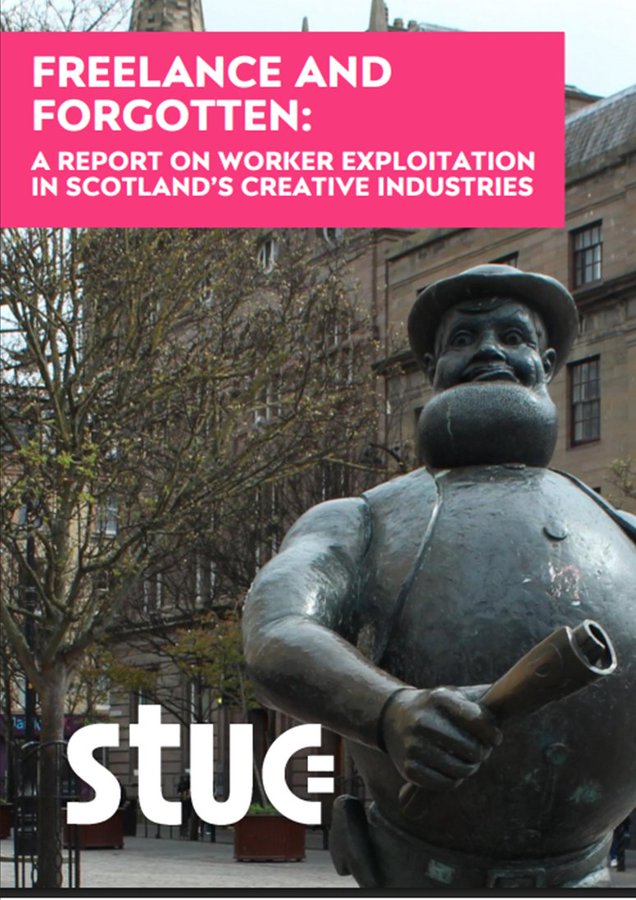
This week, the Scottish Trades Union Congress (STUC) released a concerning report titled Freelance and Forgotten, based on insights from over 800 creative professionals, including members of the Writers’ Guild of Great Britain (WGGB). The report highlights the pervasive exploitation of freelance workers within Scotland’s creative industries, showcasing the alarming working conditions that writers and freelancers are currently facing.
Key Findings of the Report
The report reveals several distressing statistics regarding the working conditions of freelancers in the creative sector:
- 69% of respondents reported experiencing late payments, with some waiting as long as 15 months.
- 33% of freelancers indicated they were not compensated at all for completed work.
- More than half (53%) reported experiencing bullying, harassment, or sexual harassment.
- 83% experienced a real-terms decline in their income over recent years.
- Only 6% of participants considered their working conditions to be “good.”
Proposed Recommendations
In light of these findings, the STUC report makes several crucial recommendations aimed at improving working conditions for freelancers:
- Implementing minimum standards for all freelance contracts.
- Granting Creative Scotland the authority to monitor and enforce Fair Work practices.
- Mandating employers and publicly funded organizations to utilize the Fair Work for Freelancers Checklist.
- Recognizing trade unions as the authentic representatives of workers in the sector.
The Call for Action
The report urges employers and funding bodies to adopt the Fair Work for Freelancers checklist and collaborate with affiliated unions, including WGGB, to establish Fair Work agreements. These steps are essential for addressing the urgent issues highlighted in the findings.
WGGB’s Commitment to Freelnacers
WGGB General Secretary Ellie Peers emphasized the importance of the STUC report, stating, “WGGB and our freelance members are acutely aware of the poor practices highlighted in Freelance & Forgotten. This report is a vital step in raising awareness of worker exploitation in Scotland’s creative industries and a call for action towards Fair Work for Freelancers that we steadfastly support.”
How WGGB Supports Freelancers
WGGB is actively working to ensure fair compensation in the creative industry. The organization negotiates national agreements with commissioning bodies, establishing minimum terms for pay and working conditions. Freelancers are encouraged to secure engagement under a WGGB contract for better protection. Detailed rates and agreements can be accessed here.
Further Involvement and Support
If freelancers face issues such as delayed payments, bullying, or breaches of contractual terms, they can reach out to the casework team at casework@writersguild.org.uk for guidance and assistance.
Moreover, WGGB is collaborating with the STUC on various campaigns related to fair work and actively presenting these concerns to the Scottish Government. A new call for evidence regarding unpaid work has also been launched, inviting freelancers to share their experiences of working for free within the past year.
Get Involved with WGGB
As part of our ongoing commitment to support freelancers, WGGB’s Scotland Chair will be up for election during this year’s AGM. Those interested in standing for this role or joining our Scotland Committee are encouraged to reach out via email at joe@writersguild.org.uk.
The Unseen Struggles of Freelancers in Scotland’s Creative Industries
Published on: Wednesday, June 4, 2025
Overview of Freelance Exploitation
A recent report highlights critical issues faced by freelancers in Scotland’s creative sector. Compiled from over 800 testimonies, it underscores alarming trends related to exploitation, financial instability, and harassment. The findings reveal a pressing need for change within the industry’s labor practices.
Key Findings from the Report
The report presents concerning insights into the freelance landscape. A staggering 69% of participants reported experiencing late payments, with some awaiting compensation for as long as 15 months. Furthermore, one-third indicated that they have not been compensated at all for their work.
In addition, a significant 53% of respondents noted instances of bullying, harassment, or sexual harassment in their work environments. Financially, 83% observed a real decline in their income over recent years, while only a mere 6% felt that their working conditions were satisfactory.
Recommendations for Fair Work Practices
The report advocates for essential changes within the industry to foster a healthier working environment. Key recommendations include establishing minimum standards for freelance contracts and empowering Creative Scotland to monitor Fair Work practices.
Other suggestions involve mandating employers to adopt a Fair Work Checklist and acknowledging trade unions as the legitimate representatives of worker interests in the sector.
Support for Creative Workers
In response to these findings, industry leaders emphasize the importance of collective action. Organizations are encouraged to collaborate with unions to create Fair Work agreements that benefit freelancers, particularly as they navigate the current landscape.
Taking Action Against Exploitation
Freelancers are urged to secure protection by engaging under formal contracts, ensuring adherence to established rates and conditions. This further aligns with the ongoing efforts to advocate for fair compensation and treatment within the industry.
Those facing issues such as delayed payments or workplace harassment can seek support from dedicated casework teams, reinforcing the community’s commitment to safeguarding workers’ rights.
Join the Movement for Fair Work
As the movement for fair work continues to gain momentum, there are multiple avenues for freelancers to engage in advocacy efforts. This includes providing evidence regarding unpaid work and participating in local committees focused on improving the landscape for creative professionals in Scotland.
Conclusion
The recent report sheds light on the significant challenges that freelancers endure in Scotland’s creative industries. By recognizing these issues and responding with collective action and support, there is potential for meaningful reform to ensure fair work and respect for all creative professionals.
This structure is designed to be SEO-friendly and engaging, with key insights into the freelance struggle, recommendations for improvement, and calls to action for readers.
