


Supporting Freelancers in New York City’s Creative Landscape
New York City’s vibrant creative industry, known for its viral videos, stunning graphic designs, and glamorous fashion shows, is significantly powered by freelancers. These self-motivated individuals — including stylists, writers, photographers, designers, models, and animators — contribute to over a third of the city’s workforce, highlighting their vital role in shaping the world’s most influential brands.
As representatives of two agencies under the Mamdani administration that collaborate closely with the creative sector, we want to emphasize a crucial message: if businesses are profiting from creative work in New York City, they must adhere to legal regulations. Moreover, we want to remind freelancers that they possess the right to timely compensation for their labor. The Department of Consumer and Worker Protection and the Mayor’s Office of Media and Entertainment stand committed to defending that right.
Strong Protections for Freelancers
New York City boasts some of the most comprehensive protections for freelance workers in the nation. The Freelance Isn’t Free Act, enacted by the City Council in 2017, mandates that companies offer freelancers written contracts, timely payments, and avenues for seeking redress. This groundbreaking legislation has inspired similar laws in other locations, such as Los Angeles.
Impact of the Freelance Isn’t Free Act
Enforcing the Freelance Isn’t Free Act is more than just good governance; it has a tangible impact on people’s lives. For instance, Splashlight, a prominent content production agency, faced scrutiny after numerous freelancers reported chronic delays in payment. An investigation revealed that Splashlight fulfilled fewer than 20% of its contracts on time, demonstrating stark violations of the law. This led to a significant settlement of $528,817 aimed at compensating affected freelancers.
The Freelance Economy: Challenges and Realities
Freelancers contribute over $1 trillion to the U.S. economy; however, the issue of delayed payments is widespread, with a staggering three-quarters of freelancers nationally failing to receive timely compensation. The existing system often veils accountability under the guise of flexibility, disproportionately benefiting large corporations while putting workers at risk.
Addressing Accountability in Creative Work
Many corporations are increasingly finding ways to bypass labor protections by subcontracting creative tasks through various intermediaries. This trend creates a gap in accountability regarding the rights and safety of workers, leaving freelancers vulnerable and dependent on ambiguous contracts. The investigation into Splashlight has illuminated this pressing problem, yet the future of freelance work does not have to remain bleak.
Understanding Your Rights as a Freelancer
Under Mayor Mamdani’s leadership, New York City is determined to ensure that companies like Splashlight cannot exploit hardworking freelancers. Establishing clear standards around payment timelines, intellectual property, and dispute resolution is paramount. Additionally, robust enforcement measures will hold businesses accountable for non-compliance with the Freelance Isn’t Free Act.
The Importance of Investing in Creative Workers
In an age of rapid technological advancement, it is essential to invest in the skills and careers of creative workers. Empowering freelancers with training opportunities and resources not only benefits them individually but also strengthens the very fabric of New York City.
Critics may argue that the Freelance Isn’t Free Act stifles business development; however, a fair and transparent labor market fosters trust, which in turn encourages growth. Businesses that respect creative labor should embrace clear regulations that promote ethical practices. Ultimately, protecting freelancers isn’t just a moral obligation; it’s essential for the ongoing prosperity of the city that thrives on their creativity and innovation.
Whenever you encounter a stunning advertisement or a gripping television series filmed right in the heart of Brooklyn, remember: freelancers played a crucial role. It is our responsibility to ensure they are compensated fairly, treated justly, and respected in their craft. Moving forward, we pledge to stand up for freelancers, promoting a new era of worker justice in New York City.
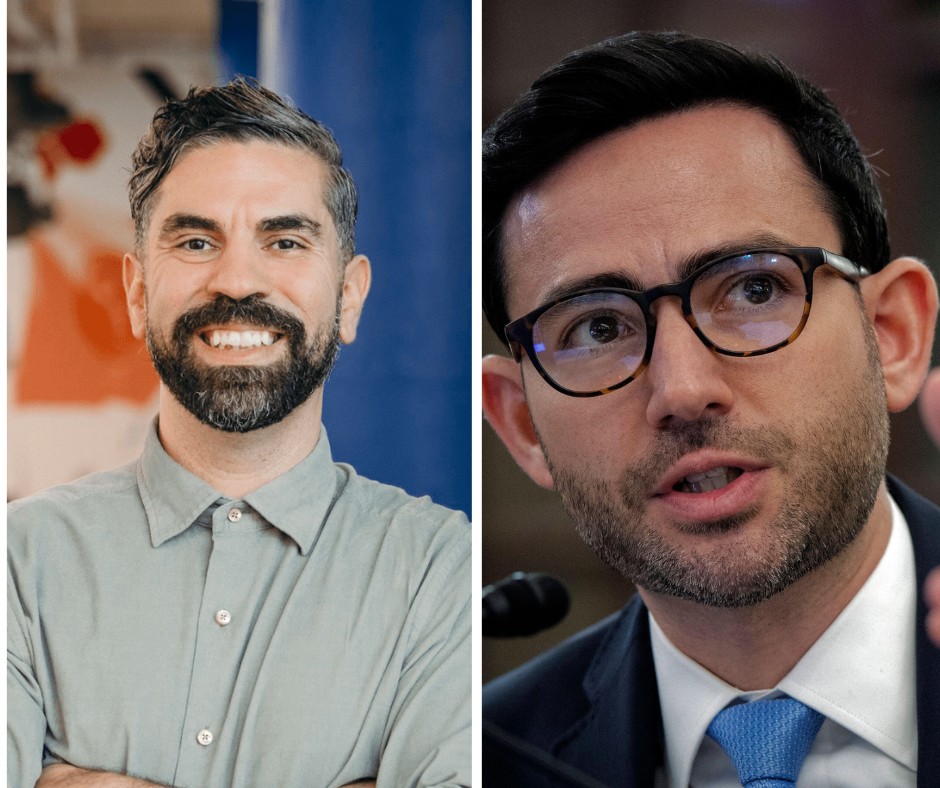
Rafael Espinal is the commissioner of the New York City Mayor’s Office of Media and Entertainment and a former executive director of the Freelancers’ Union.
Sam Levine is the commissioner of the New York City Department of Consumer and Worker Protection.
The Thriving Freelance Economy in New York City
New York City is a hub of creativity and innovation, teeming with freelancers who form the backbone of its diverse creative industry. From graphic designers to writers, this city is home to over a million self-employed individuals contributing significantly to the local economy.
Freelancers: The Heartbeat of NYC’s Creative Sector
More than a third of New York’s workforce consists of freelancers. They engage in various roles, including stylists, photographers, animators, and videographers. Their contribution is crucial in powering the most prominent brands in this vibrant metropolis, amplifying NYC’s influence on global creative trends.
Legal Protections for Freelancers
Recognizing the challenges freelancers often face, New York City has established strong legal protections. The Freelance Isn’t Free Act, enacted in 2017, mandates fair practices, including written contracts, timely payments, and avenues for redress for freelancers. This pioneering legislation has inspired similar laws in other cities like Los Angeles.
Case Study: Splashlight and the Importance of Enforcement
An investigation into Splashlight, a notable creative content agency, highlighted the necessity of these protections. After numerous freelancers reported late payments, the city discovered that less than 20% of the agency’s contracts were fulfilled on time. This led to a significant $528,817 settlement aimed at compensating affected freelancers, illustrating the power of enforcement in protecting worker rights.
The Broader Implications of Freelancing
Freelancers contribute over $1 trillion annually to the U.S. economy. However, alarming statistics reveal that three-quarters of freelancers nationwide experience payment delays. This widespread issue stems from a lack of accountability among corporations that often subcontract creative work through layers of intermediaries, leaving freelance workers vulnerable.
Ensuring Fair Treatment in the Future
New York City’s leadership emphasizes the importance of establishing clear standards for freelancers, covering payment timelines, intellectual property, and labor rights. Robust enforcement of the Freelance Isn’t Free Act aims to hold businesses accountable and ensure fair treatment for all freelancers within the city.
A Call for Investment in Creative Careers
As the creative landscape continues to evolve, investing in freelance careers is essential for maintaining the city’s cultural vibrancy. Opportunities for training and networking can empower freelancers, ensuring that they can adapt to changing market demands and sustain the very fabric of New York City.
Conclusion: The Value of Ethical Business Practices
Some critics argue that regulations like the Freelance Isn’t Free Act impede business growth, but the reality is that transparency fosters trust, which drives innovation. New York has long been a beacon for independent thinkers and creative pioneers. Protecting freelancers is not just a legal necessity; it’s fundamental to the city’s identity and future prosperity.
As we witness the creative energy that fuels this city, from iconic ad campaigns to groundbreaking film productions, it’s vital to remember the freelancers behind them. Ensuring they are compensated, protected, and respected in their work is a critical mission for the future of New York City.
