


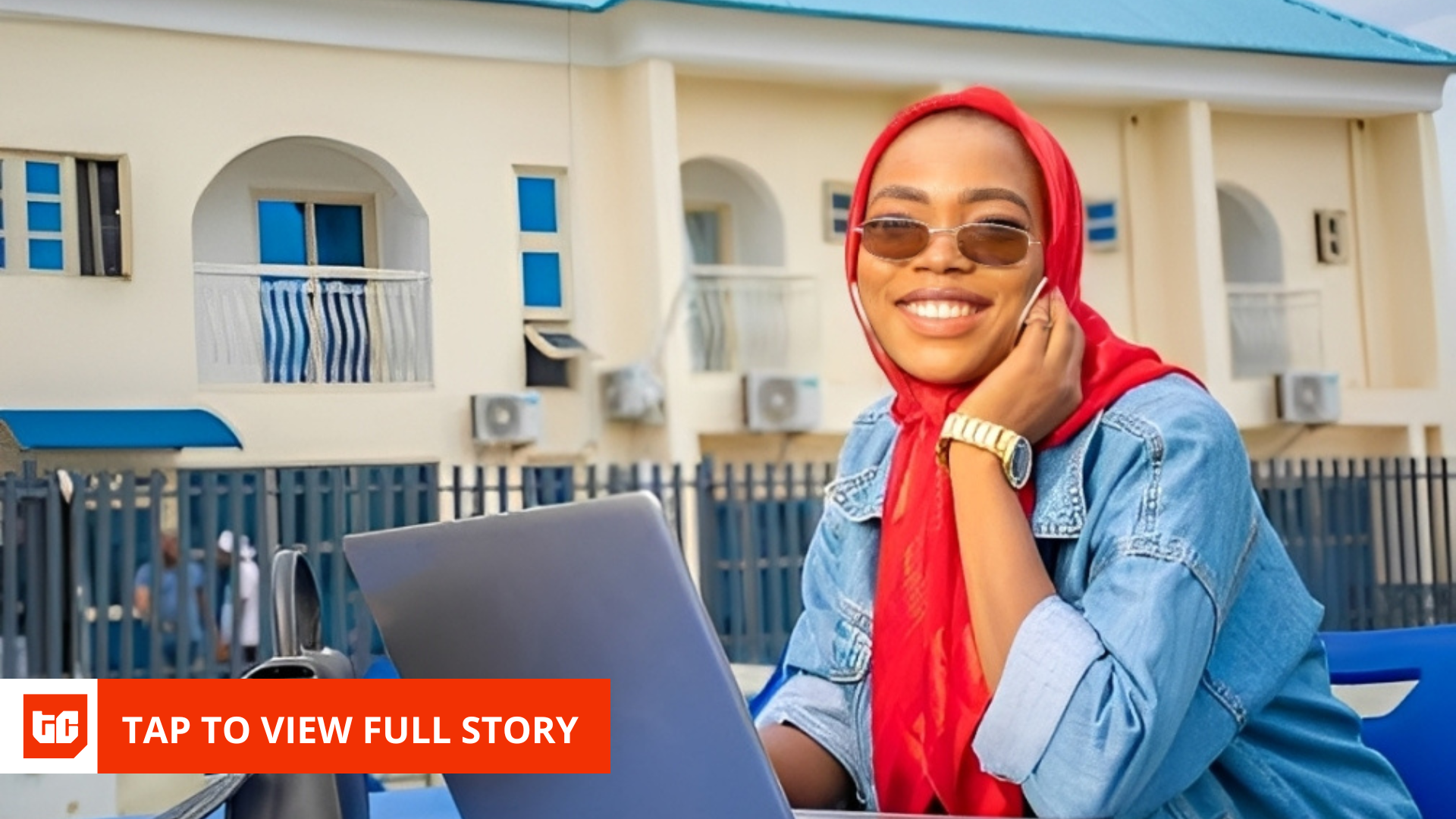
Freelancing is increasingly recognized as a flexible and potentially lucrative career path, varying by industry. Unlike traditional jobs, freelancers do not earn a fixed income. Their ability to work with multiple clients allows them to negotiate better fees, set their own schedules, and choose their preferred projects.
Insights from African Freelancers
TechCabal recently spoke to ten freelancers across the African continent to uncover how they make freelancing work, the tools they rely on, and the daily challenges they face. From creative professionals in Lagos, Nigeria to tech developers in Kigali, Rwanda, and IT engineers in Rabat, Morocco, their diverse experiences illustrate a growing but uneven freelancing ecosystem.
Gloria Chimelu: Navigating Web3 in Nigeria
As a Nigerian Web3 content marketer, Gloria Chimelu has consulted for various global brands. Her freelance workflow combines structured systems with the inherent unpredictability of the tech sector. “I use Google Docs, Notion, Google Keep, Twitter, and Discord to stay organized,” she shares. Most of her payments are in cryptocurrency, which she converts to Nigerian naira, though she occasionally uses GeegPay when clients pay in dollars. For Chimelu, Twitter is invaluable, serving as her primary source for job leads and industry trends.
Fabrice Bizimaan: Full-Stack Developer from Rwanda
Basing his operations in Kigali, Fabrice Bizimaan collaborates with global clients on full-stack web projects. He typically finds work through recommendations on platforms like Slack and LinkedIn. To manage tasks, he employs tools such as VSCode, Xcode, and various frameworks like Next.js and Django. Although he prefers cryptocurrency for payments, he also uses bank transfers when necessary. Despite facing limitations due to regional restrictions on international projects, Bizimaan remains committed to improving his craft and expanding his opportunities.
Challenges Faced by Freelancers
Itunu Obanla, a copywriter from Nigeria, highlights the intense competition present on platforms like Upwork, where success often hinges on bidding power. “There’s nothing easy about it,” he says, relating the constant struggle to secure new projects. Similarly, Joshua Adeyemi, a technical writer, mentions how managing multiple deadlines can add immense pressure, particularly when writing complex content for non-technical audiences. These challenges are common among freelancers aiming to sustain their livelihoods.
Freelance Marketing and Payment Issues
Bobkevin Shoo, a digital marketing consultant in Tanzania, illustrates the complexities of payment processing in the region. Due to PayPal restrictions, he opts for SWIFT transfers, incurring fees that can significantly cut into his earnings. For other Kenyan freelancers like Silvia Gituto and Faizah Naserian, payment fluctuations and slow processing times are recurring themes, making financial stability a constant concern.
Strategies for Success in Freelancing
Successful freelancers adapt their workflows and leverage tools that enhance productivity. Minnie Mururi, another Kenyan SEO writer, notes the importance of project management tools like ClickUp and Monday.com for staying organized. Meanwhile, Diana Chiyangwa, a journalist in South Africa, emphasizes the value of networking through X to connect with other journalists and secure funding for her projects. These strategies not only improve efficiency but also help freelancers maintain valuable relationships that can lead to future work.
The Future of Freelancing in Africa
The landscape for freelancers in Africa is rapidly evolving. Despite challenges like inconsistent income and geographical limitations, many freelancers are harnessing their skills and networks to create sustainable careers. As they continue to adapt to the demands of the freelance market, their stories provide invaluable insights into the dynamics of this growing yet complex ecosystem.
The Freelancing Landscape Across Africa: Insights and Experiences
Freelancing has emerged as a popular career choice across Africa, offering flexibility and the potential for advantageous earnings. Professionals in diverse fields can negotiate their fees, choose their work hours, and determine their client interactions. This article delves into the dynamic world of freelancing within the continent, highlighting the tools, strategies, and challenges faced by freelancers in various regions.
Understanding the Freelance Experience
As freelancers operate independently, their income can be unpredictable. Factors such as client payment preferences, market conditions, and the diversity of freelance projects significantly influence their financial stability. By connecting with freelancers across Africa, we gain insights into this evolving and often uneven ecosystem.
Tools for Efficiency and Collaboration
Freelancers rely on a variety of tools to streamline their workflows. From project management software to communication platforms, these tools are essential for maintaining productivity. Tools like Google Docs, Trello, and Slack facilitate collaboration, while platforms such as Payoneer and GeegPay help manage payments efficiently. Yet, adapting to client preferences often requires flexibility and resourcefulness.
Case Studies: African Freelancers in Action
Meet Gloria Chimelu, a content marketer from Nigeria, who utilizes platforms such as Twitter and Discord to secure projects in the burgeoning Web3 space. Similarly, Fabrice Bizimaan, a web developer in Rwanda, engages with clients through Slack and LinkedIn, reflecting the regional reliance on networking. Their experiences reveal both the opportunities and hurdles within the freelance ecosystem.
The Payment Puzzle
Freelancers face distinct challenges regarding payment methods. For many, cryptocurrency offers a faster, more efficient route to receive earnings. Yet, limitations in local banking systems can complicate this process. Freelancers often rely on a mix of methods, including bank transfers and mobile payment platforms, to navigate financial barriers, especially in regions with stricter regulations.
Community and Networking: Vital Support Systems
Engagement with professional communities via LinkedIn and local networking events is crucial for freelancers seeking support and collaboration opportunities. Such interactions bolster skill development and provide essential insights into industry trends. Staying connected not only fosters a sense of community but also enhances the potential for securing new projects.
Challenges and Triumphs in Freelancing
While freelancing can provide autonomy, it also comes with inherent challenges such as inconsistent income and limited access to opportunities. Freelancers often juggle multiple projects, demanding deadlines, and the uncertainty of securing new work. Despite these hurdles, many find ways to thrive by adapting quickly and continually refining their skills in response to market demands.
Conclusion: The Future of Freelancing in Africa
The freelancing landscape in Africa is vibrant and promising, marked by the resilience of professionals navigating various challenges. As technology continues to evolve and expand, it’s crucial for freelancers to embrace new tools and methodologies to stay competitive. The journey may be fraught with obstacles, but with determination and community support, freelancers across the continent can carve out their unique paths to success.
Stay Informed
For those interested in the evolving world of African tech, subscribing to industry newsletters and attending events can provide valuable insights and foster connections. Join the movement and embrace the opportunities that come with freelancing!
