
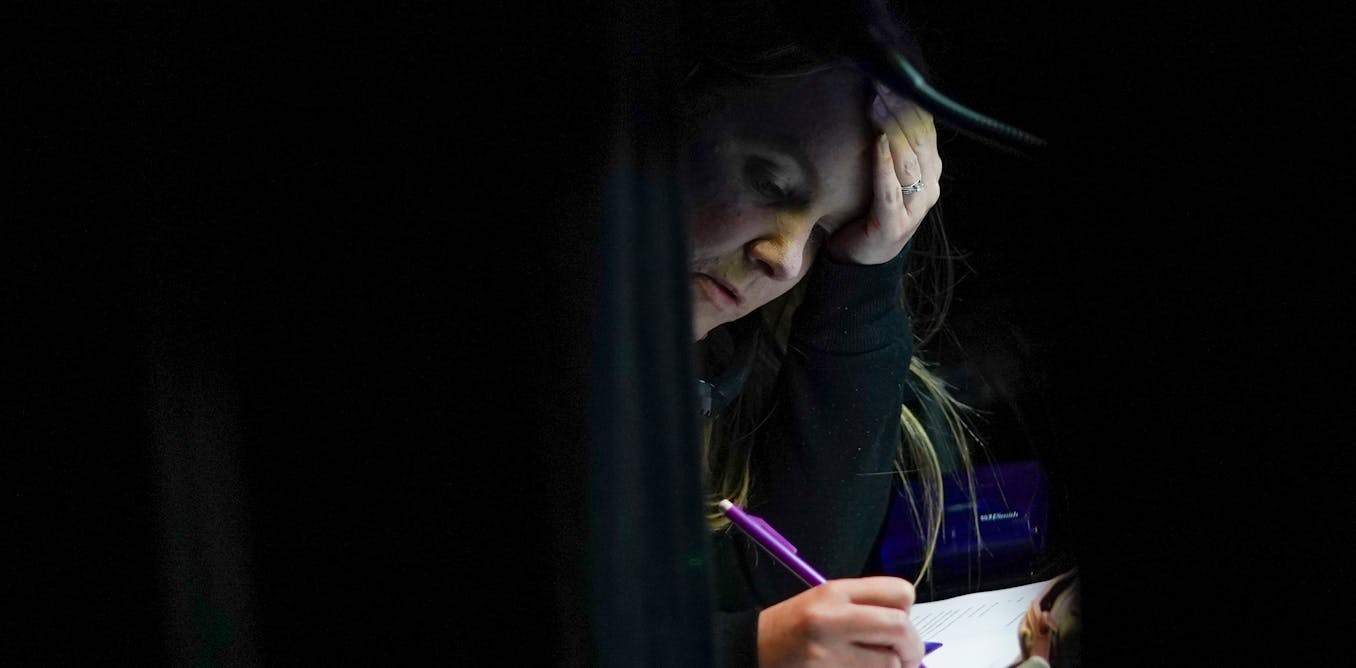
“Being an artist is not viewed as a real job.” This refrain resonates throughout studios, rehearsal halls, and homes—a shared frustration that the dedication to creating art often lacks the legitimacy and support of other professions.
As a researcher focused on artists’ livelihoods in the United States, I’ve observed a troubling paradox: while our culture holds creativity in high regard, it frequently overlooks the individuals behind that creativity. Artists face the challenge of navigating a system that treats their passion as a personal gamble rather than a viable career. “I wish this country supported artists,” expressed one participant in my research. “Imagine how vibrant our culture could be if it were celebrated.”
The Reality of Artistic Careers
For countless artists, the aspiration for a sustainable creative career feels increasingly precarious. They grapple with inconsistent income, limited benefits, and insufficient protections against market fluctuations. While some nations have initiated policies to enhance artist welfare, such as South Korea’s Artist Welfare Act, these steps highlight that financial insecurity for artists stems from policy decisions, not an inherent flaw in the profession.
Declining Numbers and Pandemic Impact
Data from 2019 revealed that around 2.4 million Americans are employed as artists—approximately 1% of the workforce. However, even before the onset of the COVID-19 pandemic, this number had already begun to decline, reflecting diminishing opportunities within creative sectors. The arts economy experienced a dramatic contraction during the pandemic, shrinking by 6.4% in 2020 and resulting in the loss of over 600,000 jobs. Unfortunately, COVID-19 did not introduce new challenges for artists; it exposed the deep gaps in safety nets designed to support them.
Challenges in Access to Health Insurance
Health insurance is a significant concern. While most artists have insurance, about 20% purchase coverage independently, a figure that’s markedly higher than the 10% of the general U.S. workforce. Changes brought by the Affordable Care Act improved access for many artists, yet recent threats to enhanced marketplace subsidies may soon risk doubling premiums for many enrollees, undermining this progress.
The Employment Landscape for Artists
Artists are among the most educated demographics in the labor market, with about two-thirds holding at least a bachelor’s degree. Yet, unlike other professionals, increased education does not correlate with similarly enhanced earnings for artists. Research indicates they often experience lower pay and higher income volatility compared to counterparts in other sectors. Many artists hold multiple jobs—about 8% juggle more than one role, often in non-arts fields—just to sustain their creative practices.
Labor Laws and Regulations Failing Artists
Existing labor protections in the U.S.—such as health insurance and retirement benefits—are predominantly linked to traditional full-time employment. Since many artists operate on a freelance basis, they miss out on these essential benefits. Moreover, copyright laws currently favor publishers and corporations over artists themselves, depriving them of royalties on resold work. As regulatory frameworks fail to adapt to the artist’s reality, many find themselves without essential safety nets.
Advocating for Systematic Change
It’s crucial for labor policies to recognize the unique challenges faced by artists. Effective change requires a paradigm shift in how policymakers perceive artistic careers—not merely as tools for economic growth or tourism but as legitimate, essential forms of labor. New policies could allow for portable benefits that remain with artists regardless of their employment status, thus fostering job security.
Creating a more inclusive environment would enable artists from various social backgrounds to thrive, enhancing both creativity and democracy. We must advocate for a society that not only celebrates art but also ensures that artists can earn a living from their work, thus fulfilling a fundamental human right—the freedom to choose one’s path in life.
The Fragile State of Artistic Careers in the U.S.
In the United States, the pursuit of a creative career is often met with skepticism. Despite the nation’s celebration of creativity, artists frequently find their work undervalued and unsupported. Many individuals in the arts face obstacles that make sustaining their careers increasingly challenging.
Understanding the Artist Workforce
According to recent statistics, approximately 2.4 million Americans identify as artists, representing about 1% of the total workforce. This figure includes musicians, visual artists, designers, and writers. However, given that many artists hold other jobs to sustain their creative endeavors, this number may be underestimated. The precarious nature of their work is evident in the troubling trends observed over the past few years.
The Impact of COVID-19 on the Arts
Prior to the pandemic, the number of employment opportunities for artists was already declining, dropping from 2.48 million to 2.4 million between 2017 and 2019. The onset of COVID-19 caused a dramatic contraction within the arts economy, leading to the loss of over 600,000 jobs in 2020 alone. This downturn not only exposed the vulnerabilities in the artistic workforce but also highlighted the lack of a robust safety net for those in creative fields.
The Challenge of Health Insurance
Health insurance remains a critical issue for many artists. While the majority have some form of coverage, a significant portion—approximately 20%—acquire insurance independently, which is notably higher than the general workforce average of about 10%. The introduction of the Affordable Care Act allowed for improvements in coverage rates, yet the impending expiration of enhanced subsidies raises concerns about future affordability and access.
Education vs. Income
While artists tend to be highly educated—with about two-thirds holding at least a bachelor’s degree—their financial returns do not mirror those of other professionals. Research indicates that even those with advanced degrees earn less and experience greater income variability compared to peers in other fields. This disparity underscores the need for systemic changes to support artistic careers more effectively.
Innovative Solutions for Artist Support
Countries like South Korea have pioneered policies aimed at stabilizing artistic careers through initiatives such as the Artist Welfare Act. The U.S. could mirror these efforts by developing policies that prioritize portability of benefits, protections against unfair payment practices, and copyright laws that allow artists to benefit from the resale of their work. Such measures would help create a more sustainable environment for artists, enabling them to thrive professionally.
Reimagining the Value of Artistic Work
Ultimately, it is crucial to shift the perception of artists from mere contributors to culture to legitimate workers deserving of support. Viewing artistic careers as a fundamental human right can empower individuals to pursue their passions without fear of financial instability. Policies that recognize and cement the importance of artistic labor can foster a more inclusive landscape that values creativity across all social strata.
