


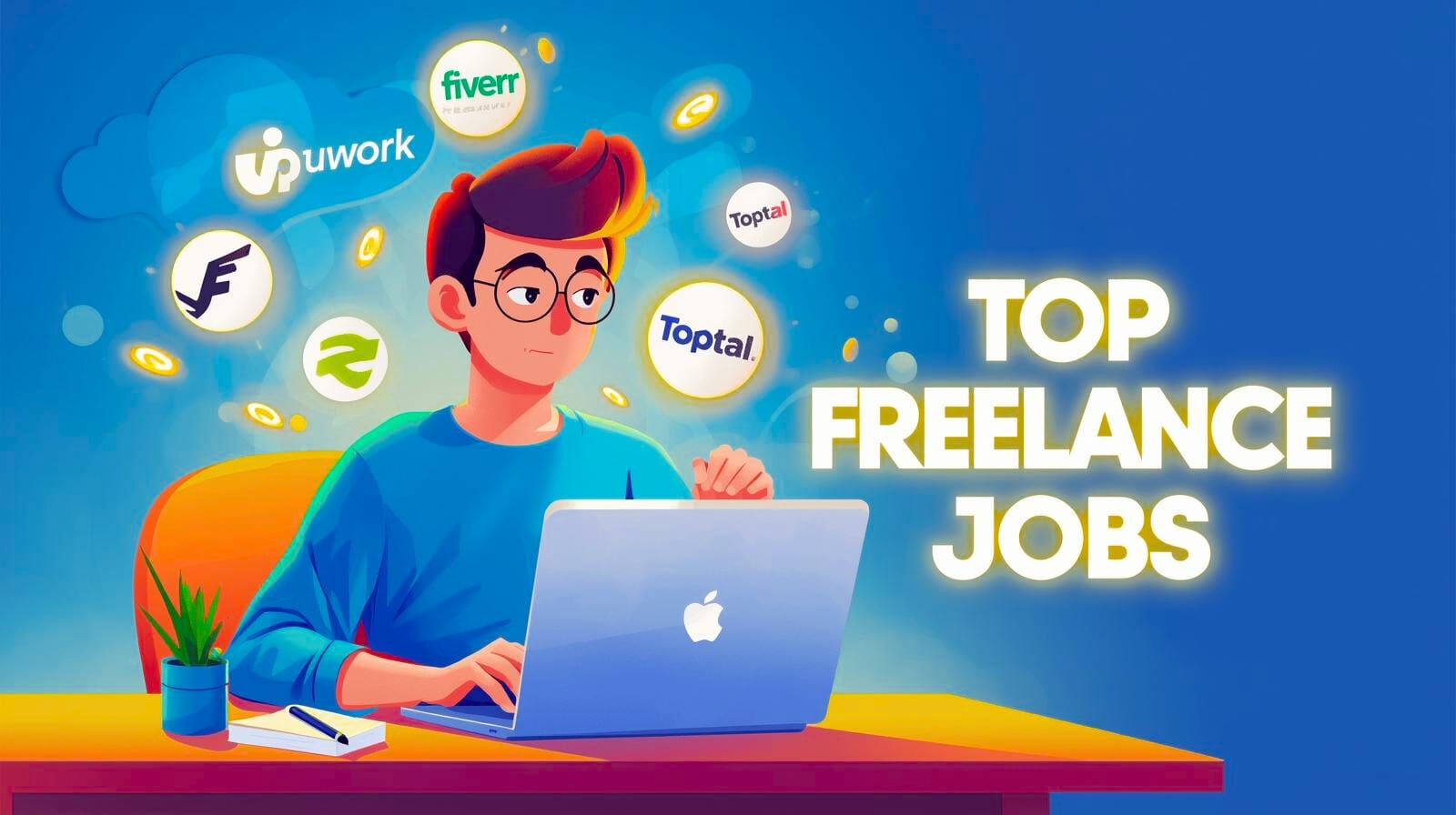
Are you eager to embark on a freelancing journey but unsure where to begin? You’re not alone—one of the most common questions prospective freelancers face is, “How do I find work?” With countless freelance platforms available online, it’s easy to feel lost. Should you sign up for a well-known marketplace, or explore smaller, less competitive options? This guide will help clarify your path.
Freelancing offers unparalleled flexibility for earning online. You don’t necessarily need extensive experience or a lengthy resume to get started. Instead, what you need is a clear understanding of platforms that provide ample opportunities for beginners to secure their first gigs. Below are top platforms you can explore to kick off your freelancing career.
1. Upwork – The Premier Marketplace for Diverse Skills
Upwork is arguably the most recognized freelancing platform, catering to a myriad of skills including writing, design, programming, and marketing. It’s a vast marketplace offering endless opportunities.
- Pros:
- Diverse job categories available
- Clients from around the globe
- Secure payment system
- Cons:
- High competition among freelancers
- Strong proposals are essential to stand out
Patience is critical on Upwork; you may need to apply to numerous jobs before securing your first contract. Think of it as an investment in your freelance career development.
2. Fiverr – Showcase Your Skills Through Gigs
In contrast to Upwork, Fiverr allows you to create a service listing (or “gig”) and attract clients to you. For instance, you can offer services like “I will design a modern business logo” or “I will edit your TikTok videos.”
This platform is beginner-friendly because:
- You don’t have to chase after clients; they reach out to you.
- Setting up your profile and listing services is straightforward and free.
- It’s ideal for creative or digital services.
However, standing out in a crowded market can be challenging. By offering specific services and optimizing your titles, keywords, and visuals, you can secure your first order quicker than expected.
3. Freelancer.com – Versatile Yet Competitive
Freelancer.com shares similarities with Upwork but is slightly smaller. It’s known for short-term projects and contests where clients reward the best submissions.
Key advantages include:
- Opportunity to test your skills on real projects
- Availability of many short-term gigs
- Trusted payment system
Although it may not be as beginner-friendly as Fiverr, being proactive with proposals can lead to job opportunities here.
4. Contra – Work Without Commission Fees
If you’re tired of platforms taking a cut from your earnings, Contra is an enticing option. Designed for modern freelancers, it offers a commission-free model.
Why consider Contra?
- You keep 100% of your earnings.
- Build a polished, free portfolio page.
- Clients looking for independent contractors often visit.
While Contra is smaller than platforms like Upwork or Fiverr, it presents a lower competition level, making it ideal for freelancers, especially in the U.S., within creative and tech domains.
5. Niche Platforms – Specific Opportunities for Focused Skills
Sometimes, a niche platform is more beneficial than a large marketplace. These specialized sites connect freelancers with industry-specific opportunities, making it easier for those with particular skill sets.
Some notable niche platforms include:
- ProBlogger Jobs for writing and blogging gigs
- DesignCrowd for graphic design contests and projects
- Toptal for experienced developers and designers
By targeting niche platforms, you can reduce competition against thousands of freelancers offering every skill imaginable.
6. Leverage LinkedIn & Social Media – Unconventional Platforms
Not all freelance opportunities arise from formal platforms. Many beginners land their first clients through networking on LinkedIn, showcasing work samples on Instagram, or promoting services in Facebook groups.
Here’s why this approach works:
- Direct connections with potential clients
- No platform fees
- Helps foster long-term relationships with clients
You should announce to your network that you are available for freelance work; sometimes, relationships yield the best opportunities.
Tips for Getting Started as a Freelancer
As you venture into freelancing, consider the following tips:
- Start small; your initial projects don’t need to be high-paying; focus on building reviews and trust.
- Be consistent in your applications or updates to your gig listings.
- Showcase sample work, even if you haven’t worked with clients before.
- Maintain professionalism with prompt replies and clear communication.
Conclusion
Starting your freelancing career can feel daunting, but remember that you don’t need every platform—just a couple that align with your skills and goals. If you seek broader opportunities, consider Upwork. For incoming clients, Fiverr is a great fit. If you wish to keep all your earnings, explore Contra, and for those who know their niche, specialized job boards can open doors.
The crucial step is simple: don’t procrastinate. Choose a platform, set up your profile, and start applying today. Your first freelance gig could be just around the corner.
Finding Your Freelancing Opportunities: A Comprehensive Guide
Embarking on a freelancing journey can be both exciting and daunting. The first question many aspiring freelancers face is: “Where can I find freelance work?” The digital landscape is teeming with platforms tailored for freelancers, making it essential to choose the right one that aligns with your skills and goals.
Understanding the Freelance Landscape
Freelancing offers unparalleled flexibility, allowing you to monetize your skills without the need for extensive prior experience or qualifications. The primary challenge lies in identifying platforms that cater specifically to beginners and provide ample opportunities for securing your first project.
1. Upwork: The Go-To Freelance Marketplace
Upwork stands as one of the largest and most popular freelance marketplaces. It offers a vast array of job categories, from writing and design to programming and marketing. While it presents numerous opportunities, competition can be stiff, particularly for newcomers.
Benefits: Upwork features a diverse range of job postings, clients from around the globe, and a secure payment process. Drawbacks: To be successful here, you’ll need to invest time in crafting strong proposals to stand out among many applicants.
2. Fiverr: Your Skills in the Spotlight
Fiverr provides a unique approach by allowing freelancers to create “gigs” that potential clients can browse. Services range from logo design to video editing, and the platform is particularly effective for those in creative fields.
Advantages: You don’t need to chase clients; they come to you. Plus, setting up a profile is straightforward and free. The main challenge lies in differentiating yourself in a saturated market, but with effective titles and visuals, you can attract attention quickly.
3. Freelancer.com: A Competitive Arena
Freelancer.com is akin to Upwork but caters more to short-term projects and contests, where clients reward the best submissions. While it offers a diverse range of projects, competition remains high, requiring proactive job applications.
Pros: It allows you to test your skills with real projects, and there are numerous one-off gigs to explore. Cons: It may not be as beginner-friendly compared to other platforms, but with persistence, you can still land jobs.
4. Contra: Keep What You Earn
For freelancers who want to avoid commission fees that larger platforms typically charge, Contra is an appealing option. This platform supports modern freelancers by not taking a cut from your earnings.
Benefits: Freelancers retain 100% of their income, can create a professional portfolio page for free, and attract clients actively seeking independent contractors. Though smaller than its counterparts, it means less competition and is especially beneficial for creatives in the U.S.
5. Niche Platforms: Focused Opportunities
Sometimes, smaller, niche platforms can provide better opportunities than larger marketplaces. These sites often connect freelancers to specific industries, facilitating easier entry for beginners with specialized skill sets.
Examples include ProBlogger for writers, DesignCrowd for designers, and Toptal for experienced developers. Such platforms help you sidestep the overwhelming competition found in broader markets.
6. Leveraging Social Media: Beyond Job Boards
Not all freelance gigs are found on dedicated platforms. Many beginners successfully obtain work by networking through LinkedIn, showcasing their work on social media platforms like Instagram, or participating in relevant Facebook groups.
Why It Works: Direct connections with potential clients can lead to opportunities without any platform fees, fostering long-term relationships that can benefit both parties.
Final Thoughts: Begin Your Freelancing Journey
Starting a freelancing career may seem overwhelming, but it’s about finding one or two platforms that align with your skills and aspirations. Whether you choose a large marketplace like Upwork, a client-oriented platform like Fiverr, or a commission-free site like Contra, the key is to start.
Take the time to set up your profile, apply for jobs or post your services today. Your first freelancing opportunity could be just around the corner. Embrace the journey and watch your freelance career flourish!
