


Issues Surrounding Covert Filming
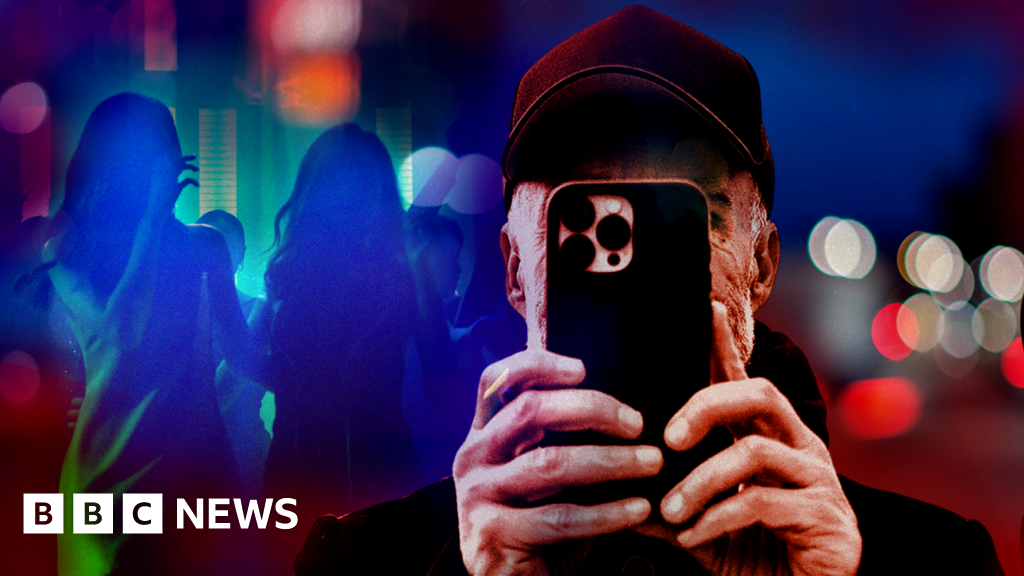
Recent investigations by the BBC have uncovered alarming practices involving men who are secretly filming women at night and profiting from the footage. This disturbing trend raises significant concerns about privacy, safety, and ethical boundaries in a digital age increasingly defined by surveillance.
The Rise of Covert Filming
With advancements in technology, the ability to film discreetly has become more accessible than ever. Some individuals exploit this capability for profit and entertainment, targeting women victims in vulnerable situations. These actions not only violate personal privacy but also contribute to a culture of objectification and disrespect.
The Methodology Behind the Exploitation
According to the BBC report, men are using smartphones and hidden cameras to capture footage of women, often in public spaces during nighttime hours. This footage is subsequently uploaded to various online platforms where it is monetized through views and ads, raising ethical questions about consent and responsibility.
Impact on Victims
The psychological toll of being covertly filmed can be devastating for victims. Women often feel exposed and unsafe, contributing to a broader atmosphere of fear. The societal implications of such harassment can further discourage women from venturing out at night, hindering their right to feel secure in public spaces.
Legal and Ethical Considerations
Legally, the act of filming someone without their consent raises complex issues. Various jurisdictions have different laws regarding privacy and filming in public spaces. However, the ethical considerations are equally important. Society must address whether such actions should be condemned universally and tackle the underlying beliefs that permit this behavior.
The Role of Social Media Platforms
Social media platforms play a pivotal role in facilitating the sharing and monetization of such footage. Platforms must take responsibility for monitoring and regulating content that could harm individuals, especially vulnerable groups. Stricter guidelines and enforcement could help mitigate the distribution of exploitative material.
Stopping Covert Filming Practices
The revelations from the BBC report call for a collective effort to combat the trend of covert filming. Public awareness campaigns, advocating for stronger legal protections, and promoting ethical standards across social media platforms can contribute to creating a safer environment for women. Society must work together to ensure everyone’s right to privacy and security is upheld.
Privacy Invasion: The Rise of Covert Filming and Its Impact on Women’s Safety
Introduction
In recent years, the alarming trend of covert filming in public spaces has sparked widespread outrage and concern about women’s safety and privacy. As technology becomes increasingly accessible, the potential for misuse grows, posing serious ethical questions about consent and respect for individual autonomy.
Understanding Covert Filming
Covert filming refers to the act of capturing video footage without the knowledge or consent of the individuals being recorded. This practice often occurs in public spaces, where the expectation of privacy is minimal. However, the implications for those filmed—particularly women—can be profound and distressing.
Impact on Women
The surge of covert filming has significant ramifications for women. Many women report feelings of vulnerability and anxiety when they realize they could be filmed without their consent. This has led to a broader conversation about women’s rights and the need for better protective measures in public environments.
Legal Implications of Covert Filming
Legal frameworks around privacy and consent vary widely across regions. In many places, current laws may not adequately protect individuals from the invasive practice of covert filming. Advocates argue for stricter regulations to safeguard personal privacy and hold perpetrators accountable, emphasizing the urgent need for legal reform.
Raising Awareness and Advocacy Efforts
Raising awareness regarding the implications of covert filming is crucial. Various advocacy groups are working tirelessly to educate the public about the importance of consent and respectful behavior in public settings. Campaigns aimed at promoting empathy and understanding are helping to foster a cultural shift towards greater respect for personal privacy.
Conclusion
Covert filming represents a significant challenge to personal privacy and women’s safety. As society grapples with the implications of this issue, it is essential to promote awareness, advocate for legal protections, and foster a culture of respect. Only through collective efforts can we hope to combat the normalization of privacy invasion and protect individuals’ rights in public spaces.

The Role of Social Media and Technology
Social media platforms and technological advancements have facilitated the dissemination of covertly filmed content. This further exacerbates the issue, as videos can quickly go viral, leading to unintended consequences for the individuals involved. The interplay between technology and social norms calls for a reassessment of what is acceptable in public and private spaces.