


New Minnesota Law Impacts Parents Profiting from Children’s Online Content
In a significant shift for social media creators, Minnesota has enacted a law that requires parents making money from online videos featuring their children to reconsider their content-sharing habits. The new regulations, which took effect on Tuesday, focus on the monetization of minors in digital media.
Protection for Underage Content Creators
The statute introduces strict guidelines regarding “content creation” involving minors. Children aged 13 and younger are now explicitly prohibited from appearing in monetized videos, while teenagers over 13 must receive compensation from monetized content through a trust account that will grant them access once they turn 18. This law aims to ensure that minors are fairly compensated for their contributions in a space that has often neglected their welfare.
Legal Perspectives on Child Content Creation
William McGeveran, dean of the University of Minnesota Law School, highlighted that this legislation resembles child labor laws rather than mere content regulation. “It’s not about what you can say. It’s about kids needing to be able to be paid for work that they do,” he stated. The law does not permit children under 14 to participate in monetized content, similar to restrictions placed on them in traditional working environments.
Defining Content Creation Under the New Law
This Minnesota law outlines a “content creator” as anyone producing video content for compensation within the state. If minors are featured in at least 30% of the paid video content generated in a given month, these regulations come into play. Additionally, youngsters featured in such videos can request the removal of their content from platforms once they reach adulthood.
Similar Legislation Across the U.S.
While other states, like California, have adopted similar protective measures for child actors and content creators, Minnesota distinguishes itself with a specified age limit. McGeveran pointed out that the law is particularly significant since it sets a clear guideline that incorporates the children’s rights to their earnings generated through online exposure.
Legislative Intent and Economic Implications
State Sen. Erin Maye Quade, a key advocate for the law, emphasized the need for balance between low-level and professionalized content featuring children. The aim is not to stifle creativity but to protect minors from being overexposed to commercial pressures in an unregulated environment. She mentioned that the law’s monetary threshold for coverage is modest at $0.01 per view, thereby covering a broad swath of popular content.
Impact on Content Creators and Families
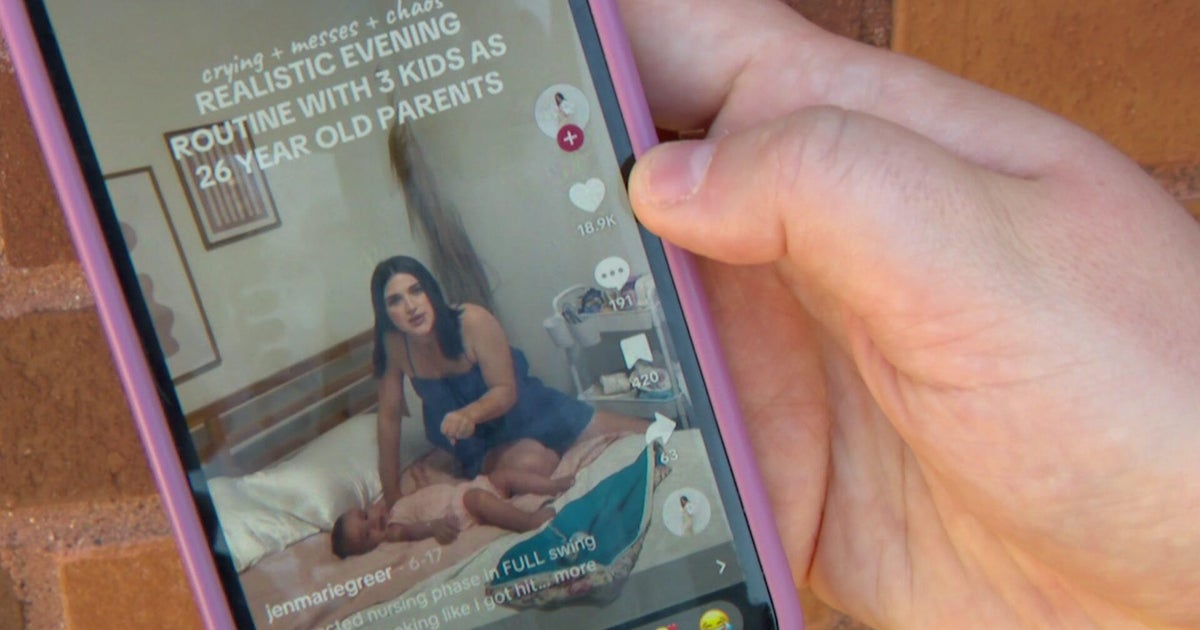
Content creator Jenna Greer, who shares her parenting experiences with a large audience on platforms like TikTok and Instagram, expressed understanding of the law despite potential changes to her income strategies. With a significant number of her videos featuring her three young children, she recognizes the necessity of the law in safeguarding kids’ rights, stating, “It’ll be a learning curve.” She is concerned that it might affect how she negotiates brand deals but believes the overarching goal of protecting children is invaluable.
New Minnesota Law Regulates Child Participation in Online Content Creation
Parents who profit from online videos featuring their children must now reconsider their content strategies due to a new law in Minnesota. Enforced since Tuesday, this legislation introduces guidelines around how minors can engage in monetized video content on social media platforms.
Key Provisions of the Legislation
The law specifically prohibits children aged 13 and under from appearing in monetized videos. For older minors, those aged 14 to 17, any earnings generated from their participation in such content must be deposited into a trust account, accessible only when they reach adulthood at 18. This law aims to protect young creators by ensuring they are fairly compensated for their contributions.
Child Labor Standards in Digital Content
William McGeveran, dean of the University of Minnesota Law School, likens this legislation to child labor laws, emphasizing the need for children’s contributions to be recognized and compensated like any other form of labor. According to McGeveran, the law treats involvement in online content creation as work, similar to traditional job settings, thereby safeguarding the rights of minors.
Eligibility and Definitions Under the Law
The statute defines a “content creator” as any individual who produces “video content performed in Minnesota in exchange for compensation.” Importantly, the rules apply when minors are featured in at least 30% of the compensated video content created within a 30-day timeframe, emphasizing the need for heightened scrutiny in content creation.
Additional Rights for Former Child Participants
Another significant aspect of the law empowers minors, once they reach adulthood, to request the removal of child content from platforms. This provision acknowledges the right of individuals to control their own image and contributions made during childhood, further enhancing protections for young creators.
Reactions and Impacts on Content Creators
State Senator Erin Maye Quade, the author of the law, highlights the distinction between casual and professionalized content creation involving children. She emphasizes that the law is not intended to inhibit parents from sharing non-monetized family moments online. However, it aims to address concerns about the extensive commercialization of children’s lives on social media.
Community Perspectives and Future Implications
Content creators like Jenna Greer, a mother documenting her parenting journey on social media, express mixed feelings about the new regulations. While understanding the intent to protect children, Greer acknowledges potential changes to income from brand partnerships. As these regulations unfold, content creators will need to adapt their strategies to align with the new legal framework while continuing to engage their audiences responsibly.
The recent law set forth in Minnesota represents a crucial step towards ensuring that children involved in online content creation are safeguarded and fairly compensated. As similar policies emerge in various states, the conversation around ethical content production involving minors continues to evolve.
