


Premium
India’s Parliament Passes Online Gaming Bill to Tackle Illegal Betting
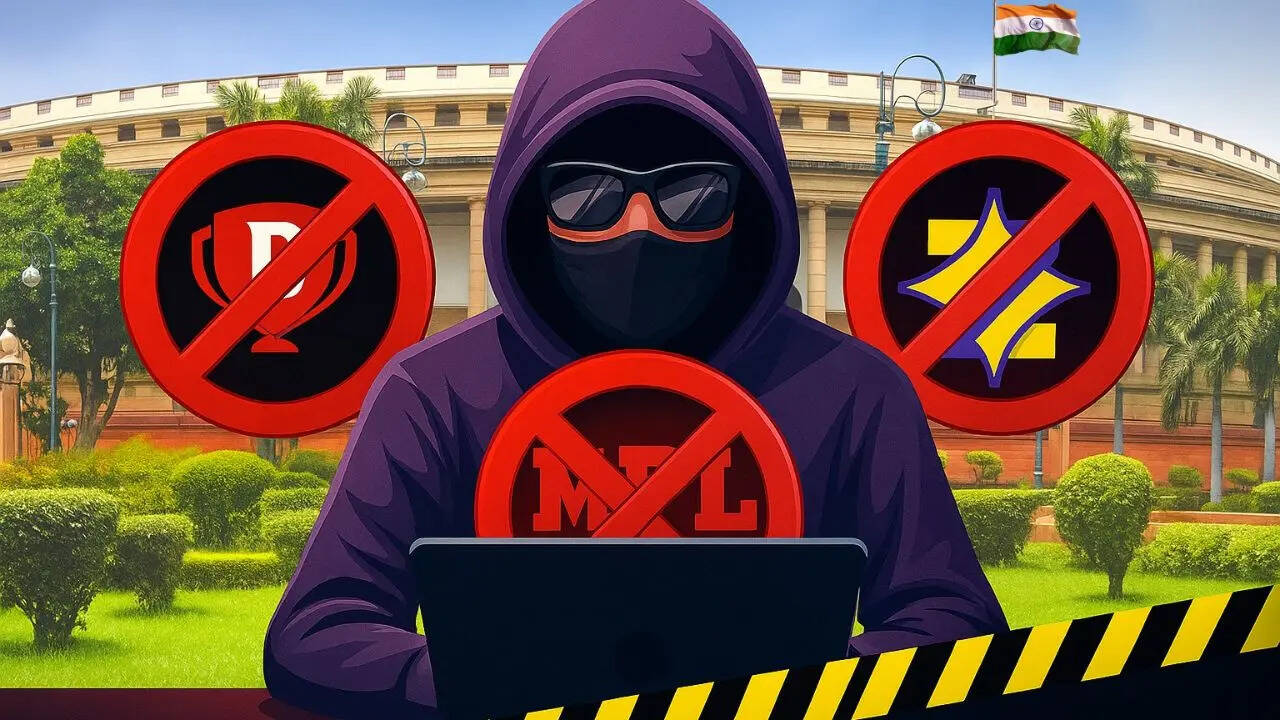
Online Gaming Bill | Image Credits: Times Now Tech
The Indian Parliament has passed the Online Gaming Bill, a crucial step to combat the rise of illegal online betting applications. This new legislation aims to address the challenges posed by rampant online gambling, which has increased financial fraud and led to gambling addiction among the youth.
The government has expressed concern over the detrimental impact of online gaming, stating, “The potential harms associated with addiction, financial loss, and severe consequences, including suicides, necessitate action. Moreover, online gaming platforms often serve as conduits for financial fraud and money laundering, posing risks to national security.”
Key Features of the Online Gaming Bill
– The bill empowers the government to recognize, categorize, and register online social and educational games, with special privileges for games that align with Indian cultural values.
– A national online gaming authority will be established to oversee the regulation of online games, identifying real-money games and addressing grievances.
– Esports will be officially recognized as a competitive sport, with guidelines for events created by the Union Ministry of Sports, including the establishment of training academies and research centers.
– A strict prohibition on online real money gaming will be enforced, including bans on advertisements and payment processing from banks for these platforms.
Penalties for Violation Under the Online Gaming Bill
– Engaging in financial transactions related to real money games can lead to fines of up to ₹1 Crore and/or three years of imprisonment.
– Repeat offenders may face jail terms of three to five years, with fines reaching up to ₹2 Crore.
– Organizations conducting online money gaming operations risk penalties of ₹1 Crore and imprisonment for responsible individuals.
– Platforms advertising real money games could incur fines up to ₹50,00,000 or face imprisonment for up to two years for accountable personnel.
Potential Loopholes in the Online Gaming Bill
While the intent behind the Online Gaming Bill is commendable, various loopholes could be exploited. For instance, users could access banned apps through Virtual Private Networks (VPNs), which allow them to spoof their location.
Additionally, modifying device locale settings or creating accounts with different regional settings can facilitate access to forbidden platforms. A private VPN offers a more robust solution, keeping user location concealed, complicating tracking efforts.
Impact on the Online Gaming Industry
The passage of this bill has created significant upheaval within the Indian real money gaming industry. Prominent platforms such as Dream Sports, Gameskraft, Zupee, Probo, and Mobile Premier League (MPL) have suspended their real-money gaming operations. This shift is expected to negatively impact the revenue generated from online gaming, as real money games account for over 85% of industry income.
Conclusion: The Future of Real Money Gaming in India
While the Online Gaming Bill represents a substantial regulatory effort, completely eradicating real money gaming in India may prove to be an uphill battle. The market is projected to reach $9.1 billion by 2029, as noted in a joint report by WinZO and IEIC. Given the persistence of users, many will likely seek alternative methods to engage with these platforms, reflecting the ongoing challenge for lawmakers to enforce a comprehensive ban.
India’s Online Gaming Bill: A New Era for Regulation
In a significant move to regulate the rampant online betting landscape, India’s Parliament has passed the Online Gaming Bill. This legislation aims to address the proliferation of illegal betting apps and combat the associated challenges, including financial fraud and gaming addiction, primarily among the youth.
The government has emphasized the necessity of this legislative action, expressing concerns over the severe implications of online gaming addiction, such as financial loss and even suicides. It has highlighted that these platforms are often misused for nefarious activities like financial fraud, money laundering, and terrorism financing, presenting a formidable threat to national security.
Key Features of the Online Gaming Bill
The Online Gaming Bill is designed to provide a comprehensive framework for online gaming in India. Key provisions include the government’s authority to categorize and register online games, prioritizing those that adhere to Indian cultural values. A national online gaming authority will be established to oversee this categorization and handle complaints related to online gaming.
Additionally, the bill acknowledges Esports as a legitimate competitive sport. The Union Ministry of Sports will formulate guidelines governing Esports events and will focus on developing training academies and technology platforms in India.
Strict Measures Against Illegal Gaming
One of the most noteworthy aspects of the Online Gaming Bill is its stringent ban on real money gaming platforms. Advertisements for these games will also be prohibited across all media. Financial institutions are barred from processing payments related to these platforms, signaling a robust stance against illegal betting practices.
Penalties Imposed on Offenders
The bill outlines severe penalties for violations, including fines of up to Rs 1 Crore and potential imprisonment for up to three years for engaging in illegal financial transactions regarding real money games. Repeated offenders may face even harsher penalties, including higher fines and longer prison sentences.
Identifying Potential Loopholes
Despite the rigorous measures proposed, experts have raised concerns about possible loopholes in the legislation. For instance, users may continue to access banned apps through Virtual Private Networks (VPNs) or by altering device settings to bypass geographical restrictions. Such tactics could undermine the effectiveness of the bill in curbing illegal online gambling.
Impact on the Online Gaming Industry
The enactment of this bill has caused considerable disruption within the online gaming sector in India. Major players in real money gaming, such as Dream Sports and Mobile Premier League, are reevaluating their business models due to the stringent regulations. This shift is likely to have significant ramifications on revenue generation, particularly as real money games currently dominate the market.
Conclusion: The Future of Online Gaming in India
While the Online Gaming Bill represents a comprehensive effort to regulate the online gaming landscape in India, total eradication of real money gaming may prove challenging. Market forecasts suggest that the real money gaming sector could reach $9.1 billion by 2029, despite the new regulations. Ultimately, as long as there is demand, users may seek alternative methods to engage with gaming platforms, necessitating ongoing scrutiny from lawmakers.
