


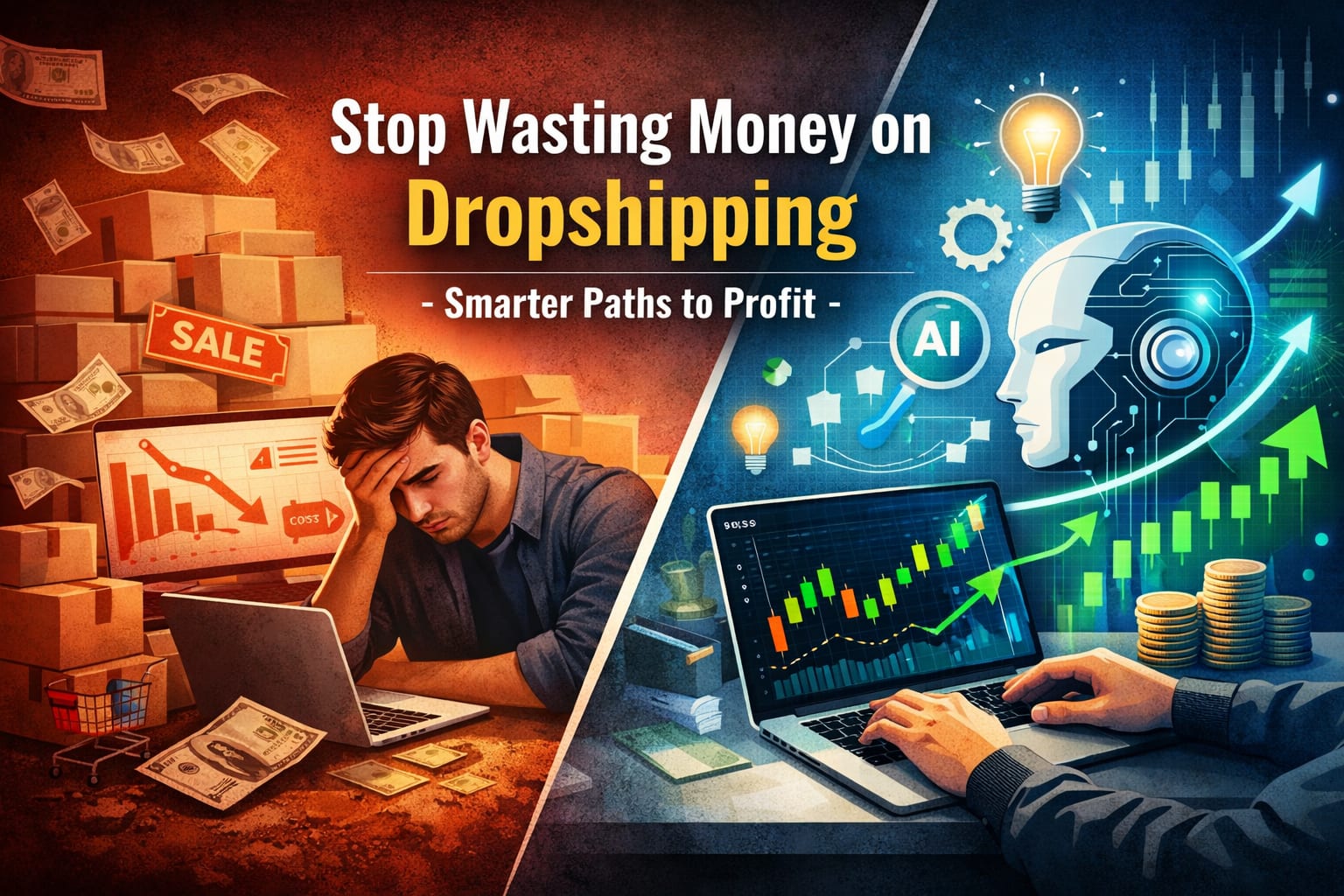
For many years, traditional dropshipping has been promoted as a straightforward method to earn money online. Social media platforms are filled with success stories showcasing sales dashboards, luxury car rentals, and influencers assuring followers of effortless income streams.
With platforms like Shopify and suppliers such as AliExpress, launching an online store without holding inventory has become incredibly accessible. Initially, this model appeared ideal due to its low risk, minimal overhead, and high potential returns.
However, a different narrative is emerging that is seldom addressed.
The Evolving Landscape of Dropshipping
By 2026, traditional dropshipping has transformed into a more competitive and costly venture, marked by unpredictability. While it is still feasible under certain conditions, it’s no longer the low-hanging fruit many aspiring entrepreneurs anticipated.
The Challenges of Traditional Dropshipping
Market Saturation
In the past, simply establishing an online store and investing in some ads could lead to a stream of sales. Today, however, thousands of sellers are vying for attention within the same product categories. That popular LED lamp or posture corrector you often see advertised? Chances are, countless stores are peddling virtually identical items, frequently sourced from the same suppliers, using similar marketing strategies.
Rising Advertising Costs
Paid advertising, particularly on platforms like Facebook and TikTok, is a cornerstone of traditional dropshipping. Over time, ad costs have escalated dramatically. Testing a product can require an investment of $50 to $100, with scaling efforts demanding even more expenditure. Unfortunately, no returns are guaranteed, and many beginners often disregard the complete cost structure associated with their operations.
Shipping Times and Customer Experience
Traditional dropshipping often involves utilizing overseas suppliers, resulting in shipping times that can stretch from one to three weeks. Today’s consumers have grown accustomed to rapid delivery from larger ecommerce entities, making long waits frustrating. This can lead to refund requests, negative reviews, and overall dissatisfaction.
A Shift Towards Data-Driven Ecommerce Strategies
Instead of relying solely on trends, many entrepreneurs are pivoting to data-driven methodologies. AI-powered ecommerce utilizes technology to analyze market trends, streamline decision-making, and automate processes. This involves leveraging AI tools for tasks such as product demand research, competitor pricing analysis, and crafting marketing content.
Exploring Financial Market Skills
For individuals less inclined toward ecommerce, an alternative lies in exploring financial markets. Unlike dropshipping, trading does not involve managing inventory or customer service, but it does necessitate a keen understanding of market behavior and price movements. However, it requires a commitment to risk management, continuous education, and emotional discipline to navigate successfully.
The Importance of Understanding Risks
Any entrepreneurial endeavor carries risks, whether it’s traditional dropshipping, AI-driven ecommerce, or engaging in market trading. The key takeaway is to understand these risks thoroughly and not be swayed by trendy social media narratives.
Final Insights for Aspiring Entrepreneurs
The online marketplace is rapidly evolving, and strategies that were effective just a few years ago may not yield the same results today. Traditional dropshipping may not be “dead,” but it certainly faces challenges that demand a realistic approach and strategic planning.
Instead of pursuing shortcuts or chasing trends, focus on learning the underlying mechanics, employing technology smartly, and constructing long-term assets. Financial independence is often achieved through steady learning, informed decision-making, and thoughtful planning, distinguishing those who follow fleeting trends from those who build sustainable businesses.
The Evolving Landscape of Online Commerce: Navigating New Business Strategies
The State of Online Business Today
In recent years, the dynamics of online business have dramatically shifted. Entrepreneurs looking to make profits online must adapt to new challenges presented by an increasingly competitive market. Modern consumers demand efficiency and quality, which adds pressure to business owners trying to establish a foothold in the e-commerce space.
Challenges in Traditional E-commerce Models
Many aspiring entrepreneurs find traditional e-commerce appealing due to its low startup costs and the allure of passive income. However, this model faces hurdles that can significantly hinder success. Increased competition, rising advertising costs, and customer dissatisfaction due to slow shipping times are just a few of the obstacles emerging in the current marketplace.
Market Saturation: The Reality of Competition
Today’s market is saturated with sellers offering similar products. From trendy gadgets to fitness accessories, the sheer volume of competitors makes it challenging for new businesses to stand out. As everyone vies for the same potential customers, profit margins shrink, compelling businesses to compete primarily on price rather than value.
Increasing Advertising Costs: A Significant Barrier
Advertising is essential for visibility in e-commerce, but costs have escalated dramatically. Entrepreneurs often find that testing and scaling campaigns requires significant financial investment, and unexpected expenses—such as refunds or chargebacks—can further erode profit margins. Understanding the complete cost structure is critical for long-term viability.
Enhancing Customer Experience: The Need for Speed
Today’s consumers expect lightning-fast shipping, a standard set by leading online retailers. When businesses rely on overseas suppliers, they risk long shipping times that lead to customer frustration. This not only results in refund requests but can also damage brand reputation, making it increasingly challenging to gain customer loyalty.
Innovative Solutions: Shifting to Data-Driven Approaches
To thrive, businesses must adopt innovative strategies that emphasize data-driven decision-making. Techniques such as employing artificial intelligence can significantly improve operational efficiency. Leveraging technology to analyze market trends, automate tasks, and personalize customer experiences can position new ventures favorably in the market.
Exploring Alternative Paths: Skills Beyond E-commerce
For those wanting to venture outside traditional e-commerce, developing financial market skills offers an appealing alternative. Unlike product-based businesses, trading focuses on market analysis and understanding price movements. While potentially lucrative, success demands keen risk management, emotional discipline, and ongoing education.
