


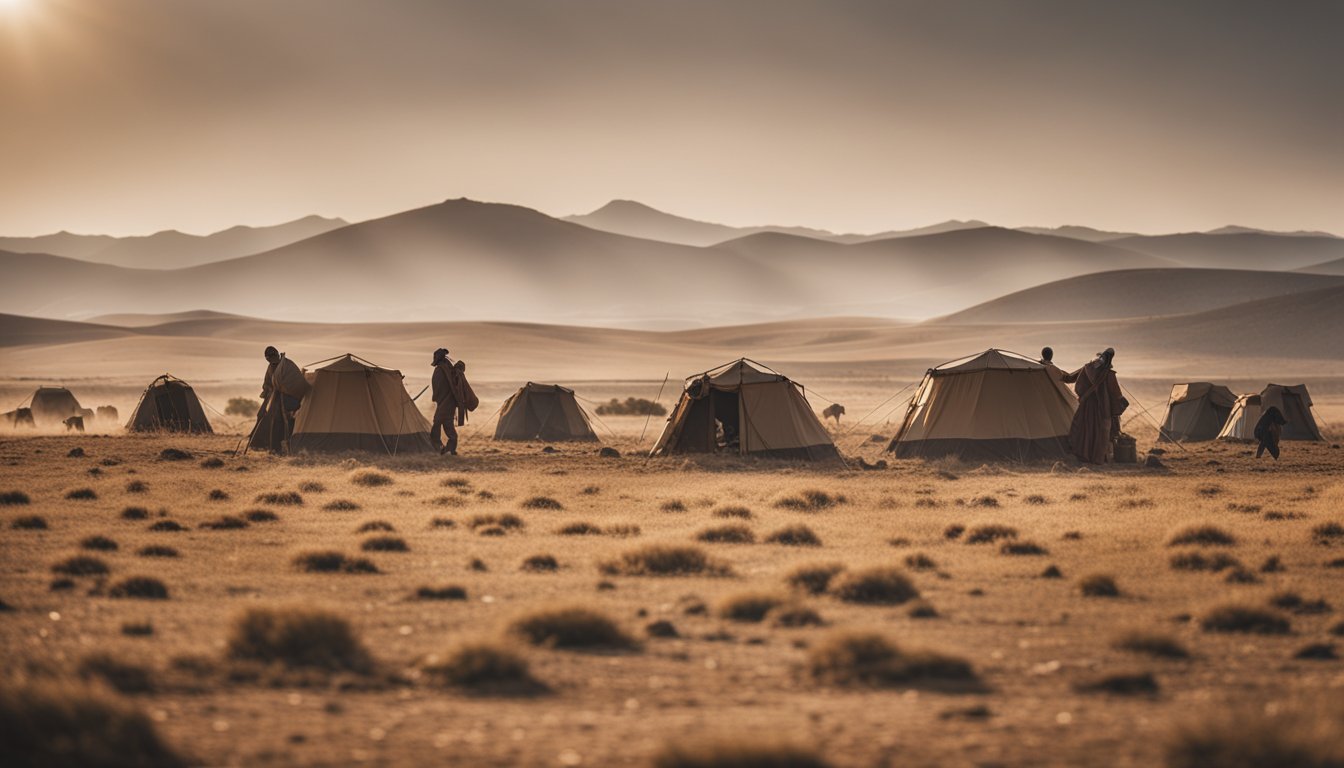
Nomads across the globe face various challenges, primarily centered around economic stability and access to healthcare, both of which are vital for their overall well-being and long-term sustainability.
Understanding Economic Stability for Nomadic Communities
Economic stability remains a significant hurdle for nomadic populations. Their income streams primarily come from livestock, artisanal crafts, and seasonal labor. Livestock constitutes their main asset, but it can result in erratic incomes due to fluctuating market trends and harsh environmental conditions that impact herd vitality.
In many cases, the lack of access to financial services poses modern challenges, limiting opportunities for savings and investments that could strengthen their economic resilience. Furthermore, the nomadic lifestyle, while culturally enriching, restricts consistent access to formal education, which is crucial for economic mobility and advancement.
Land Rights and Economic Challenges
Land rights issues significantly compound the economic difficulties faced by nomadic groups. Governments and corporations often encroach on lands traditionally utilized for grazing, forcing these communities to relocate to less suitable areas. This not only disrupts their livelihoods but also strains their social structures.
The Importance of Access to Healthcare
Healthcare access is a critical issue for nomadic communities. Many live in remote regions, far away from medical facilities, which makes obtaining urgent medical treatment a daunting task. Geographic isolation can lead to delays in receiving care, ultimately exacerbating health issues.
Barriers to Preventive Healthcare
The delivery of preventive healthcare services, such as vaccinations, presents a unique challenge due to the mobility of these communities. Additionally, reliance on traditional medicine and skepticism towards modern healthcare practices can hinder access to necessary medical services. Maternal and child health remains particularly precarious, with elevated rates of morbidity and mortality linked to insufficient access to skilled healthcare.
Health Education: A Key to Improvement
Another layer to the healthcare crisis among nomadic populations is the lack of health education and awareness. Limited access to information regarding hygiene and disease prevention can further exacerbate health issues, making it vital to foster educational initiatives tailored to these communities.
Cultural Exchange and Its Implications
Despite the challenges, nomadic communities offer rich cultural diversity that contributes to social learning and cultural exchange. Understanding their economic and healthcare needs can foster dialogue that encourages mutual respect and collaboration between nomadic populations and settled societies. Through shared initiatives, it’s possible to create more inclusive economic systems and healthcare access solutions that empower nomadic groups while preserving their cultural heritage.
Challenges Faced by Nomadic Communities in Modern Society
Nomadic communities around the globe navigate a variety of challenges, particularly concerning livelihood security and healthcare access. These factors are crucial for their overall health and sustainability in an ever-changing world.
Economic Challenges of Nomadic Lifestyles
Many nomadic groups rely heavily on livestock, craft sales, and seasonal work as their primary income sources. This reliance often leads to economic instability, as fluctuations in market prices and adverse weather conditions can significantly impact their financial situation. For example, harsher climates can affect herd health, diminishing their main asset and livelihood.
Barriers to Financial Services
Limited access to financial institutions further complicates the economic landscape for nomads. Many lack the banking infrastructure needed for saving, investing, or obtaining loans. These barriers prevent nomadic communities from improving their economic conditions, effectively trapping them in a cycle of poverty.
The Impact of Mobility on Education
The nomadic lifestyle, while culturally rich, also poses significant obstacles to educational attainment. Mobility often restricts consistent access to formal education, which can stifle potential economic growth and limit future opportunities for younger generations. Furthermore, the inability to establish a permanent residence complicates the enrollment processes for schools.
Land Rights and Environmental Pressures
Land rights issues are another significant concern for nomadic people. Historical grazing lands are frequently subject to encroachment by corporate and government interests, forcing communities to relocate to less hospitable areas. This not only affects their traditional practices but also leads to conflicts over land ownership and usage rights.
Healthcare Access in Remote Areas
Healthcare is an essential yet often inaccessible service for nomadic populations. Living in remote locations can complicate timely access to medical facilities, resulting in delayed treatment for various health issues. This geographic isolation exacerbates health disparities, further endangering the well-being of these communities.
Barriers to Preventive Healthcare
Nomadic lifestyles make the consistent delivery of preventive healthcare services, such as vaccinations and health screenings, particularly challenging. Additionally, traditional medical practices may conflict with modern healthcare systems, leading to skepticism surrounding conventional treatment options. As a result, maternal and child health care suffers, showing higher morbidity and mortality rates relative to sedentary populations.
Educating on Health and Hygiene
Health education and awareness initiatives are crucial yet often lacking within nomadic communities. Limited knowledge about hygiene, disease prevention, and health resources compounds existing health challenges. Addressing these educational gaps is vital to improving both health outcomes and overall quality of life for nomads.
