


Archery at the Nomad Games
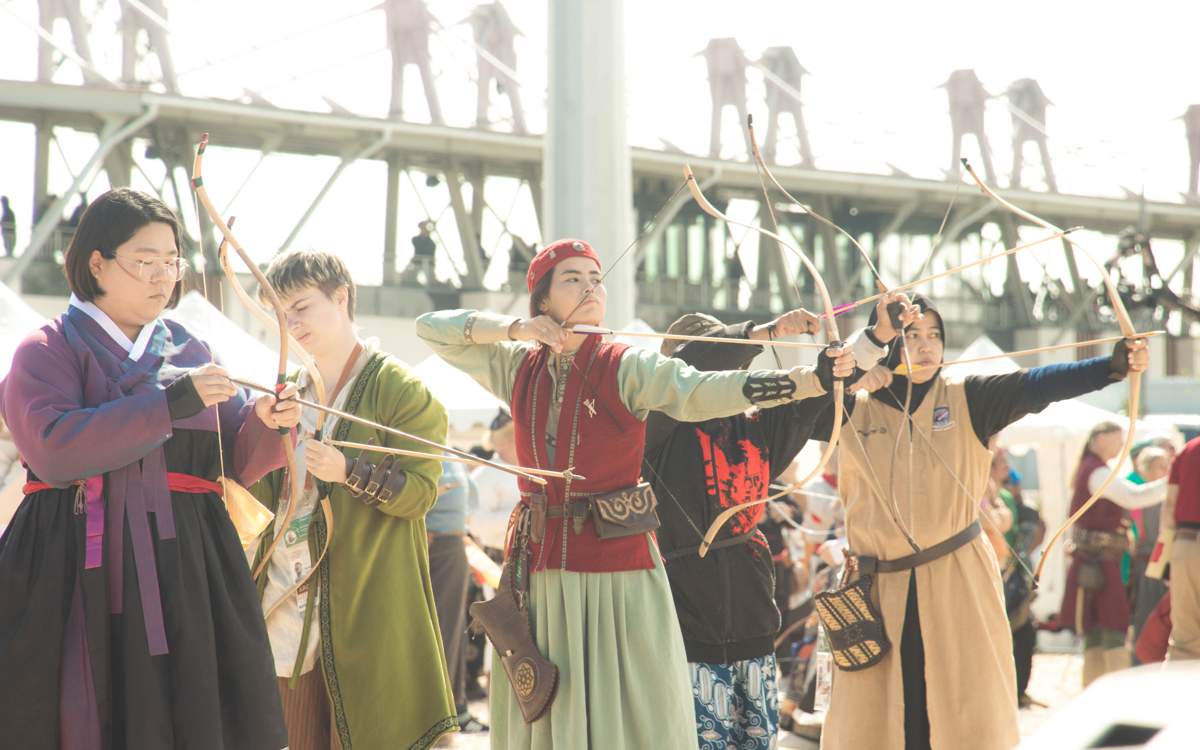
During the Nomad Games, archers showcase their remarkable skills as they hit targets with precision. Known for its rich history and various forms, archery has evolved to become a competitive sport celebrated globally.
A Brief History of Archery in the Olympics
Did you know that archery made its Olympic debut in 1900? The inaugural event featured athletes shooting at targets shaped like pigeons, with some sources suggesting these may have been live birds. Over the years, archery has transformed, shifting from such unconventional targets to structured competitions.
The Evolution of Archery in 2024
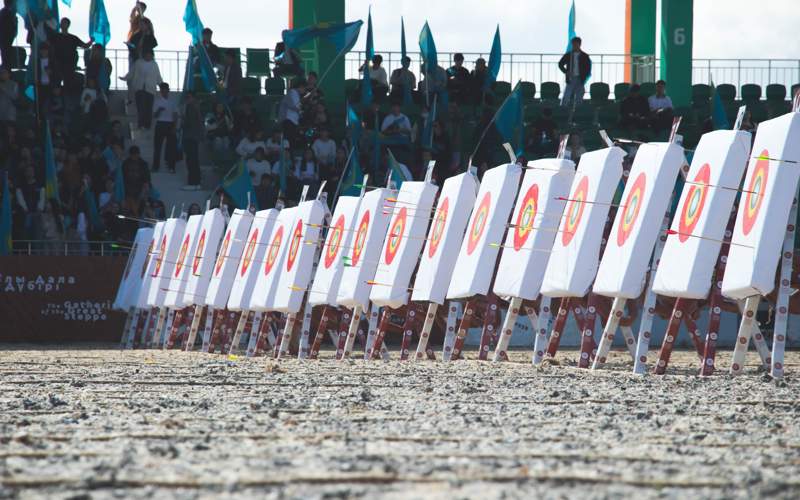
Fast forward to 2024, and the focus is no longer on pigeons but on traditional targets, reflecting the sport’s evolution while honoring its roots. Archers now employ advanced techniques and equipment to compete at the highest levels.
The Thrills of Kokpar
In another exciting corner of the Nomad Games arena, competitors engage in Kokpar, a traditional game where riders compete for a goat’s carcass (a specially designed dummy). This sport is a test of strength, speed, and coordination, reflecting the deep-rooted horsemanship and camaraderie among participants.

Unwavering Support from Fans
The enthusiasm of Kazakhstani fans at Kokpar events is palpable. Their cheers resonate throughout the arena, creating an energetic atmosphere that propels athletes to showcase their best performances.

The Ancient Art of Falconry (Kusbegilik)
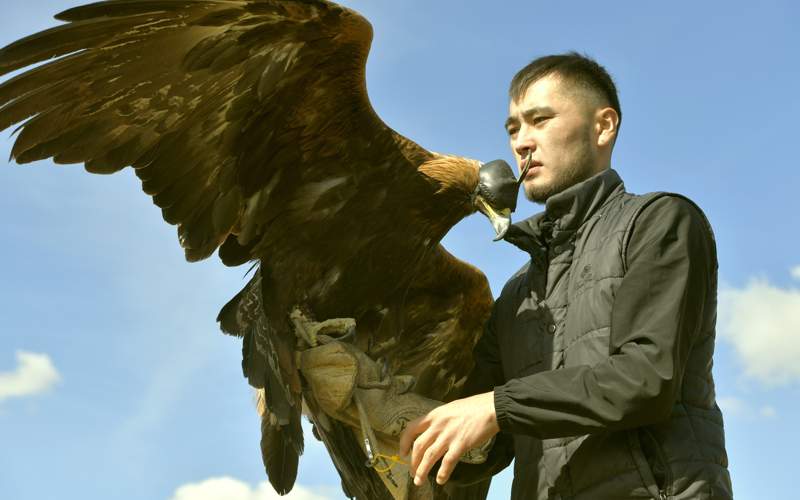
Falconry, known as Kusbegilik at the Nomad Games, showcases the incredible bond between birds of prey and their trainers. This ancient practice, tracing back to the Andronovo period, highlights the mastery and skill involved in training these majestic birds.
Rich Traditions of Kazakh Falconry
The tradition of hunting with trained birds of prey in Kazakhstan dates back to the 13th century. Taming these predators is an intricate skill that commands great respect. In historical contexts, a trained eagle was worth the price of several camels, underlining its value in Kazakh culture.
Zhamby Atu: Horseback Archery
Zhamby atu, an exhilarating sport reminiscent of nomadic traditions, features horsemen racing around an arena while expertly shooting arrows. This event profoundly illustrates the historical significance of archery skills among nomadic communities.
The Intensity of Belt Wrestling
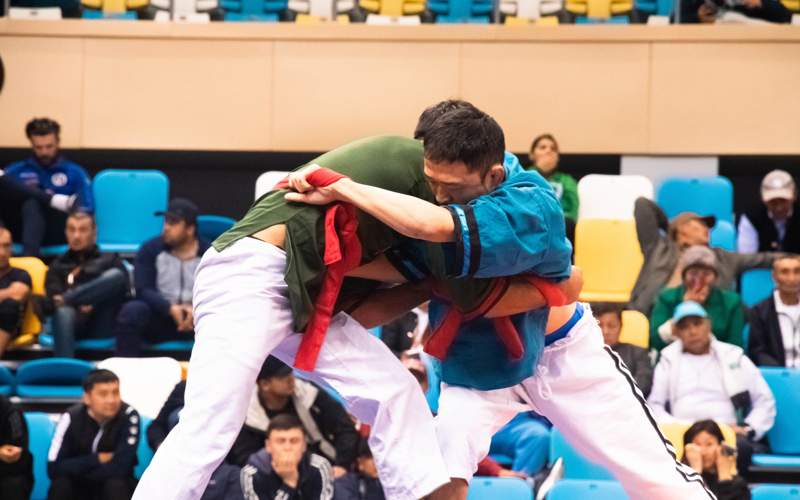
At the Zhaksylyk Ushkempirov Martial Arts Palace, athletes engage in belt wrestling, or Alysh. This ancient sport requires not only physical strength but also tactical prowess. Each match becomes increasingly intense, showcasing the wrestlers’ strategies and physical endurance.
Exploring the Thrill of the Nomad Games: A Celebration of Heritage and Skill
The Art of Archery: A Timeless Tradition
At the Nomad Games, participants showcase their exceptional archery skills, reflecting a rich cultural heritage that dates back centuries. This ancient sport not only requires precision but also embodies the spirit of competition inherent in nomadic traditions.
Archery Through the Ages: From Pigeons to Targets
Did you know that archery made its debut in the Olympic Games in 1900? Initially, archers were tasked with hitting targets fashioned after pigeons. Historical accounts vary, with some suggesting these were live birds, while others claim they were straw models. This fascinating evolution highlights how the sport has become more refined over the years.
A Modern Archery Spectacle
As we step into 2024, archers at the Nomad Games aim their arrows at traditional targets, showcasing their dedication and commitment to excellence. This evolution from its origins demonstrates how archery continues to thrive as both a competitive sport and a connection to cultural roots.
Kokpar: The Ultimate Test of Strength and Strategy
In another captivating arena, Kokpar unfolds—a thrilling contest involving horse riders competing for a goat’s carcass, which is replaced by a dummy during the games. This intense competition tests not only physical strength but also agility and teamwork, as riders display their horsemanship in a true test of skill.
A Heartfelt Atmosphere: The Fans’ Passion
The fervent support from fans enhances the experience at the Nomad Games. Kazakhstani enthusiasts passionately cheer for their teams, creating an electric atmosphere that resonates beyond the arenas. This shared connection adds layers of excitement and motivation to the competitors.
Falconry: A Timeless Bond
Among the thrilling events is Kusbegilik, or falconry, that highlights the extraordinary bond between falconers and their birds of prey. This traditional practice has roots dating back to the Andronovo period, showcasing the intricate skills required to train these majestic creatures for hunting, a testament to centuries-old traditions.
Zhamby Atu: Riding into the Past
Participating in Zhamby atu harks back to ancient nomadic customs, where equestrian skills were essential for survival. Riders circle the arena, shooting arrows with remarkable accuracy, evoking a sense of history while captivating the audience with this traditional sport.
A Display of Strength: The Art of Belt Wrestling
The Martial Arts Palace, named after Zhaksylyk Ushkempirov, serves as the stage for belt wrestling competitions, where athletes engage in intense bouts that challenge both physical prowess and tactical acumen. Each match is a meticulous dance of strength and strategy, contributing to the overall excitement of the Nomad Games.
This structured HTML article encapsulates the essence of the Nomad Games in an engaging format, enhances SEO with relevant keywords, and maintains an informative tone throughout.
