


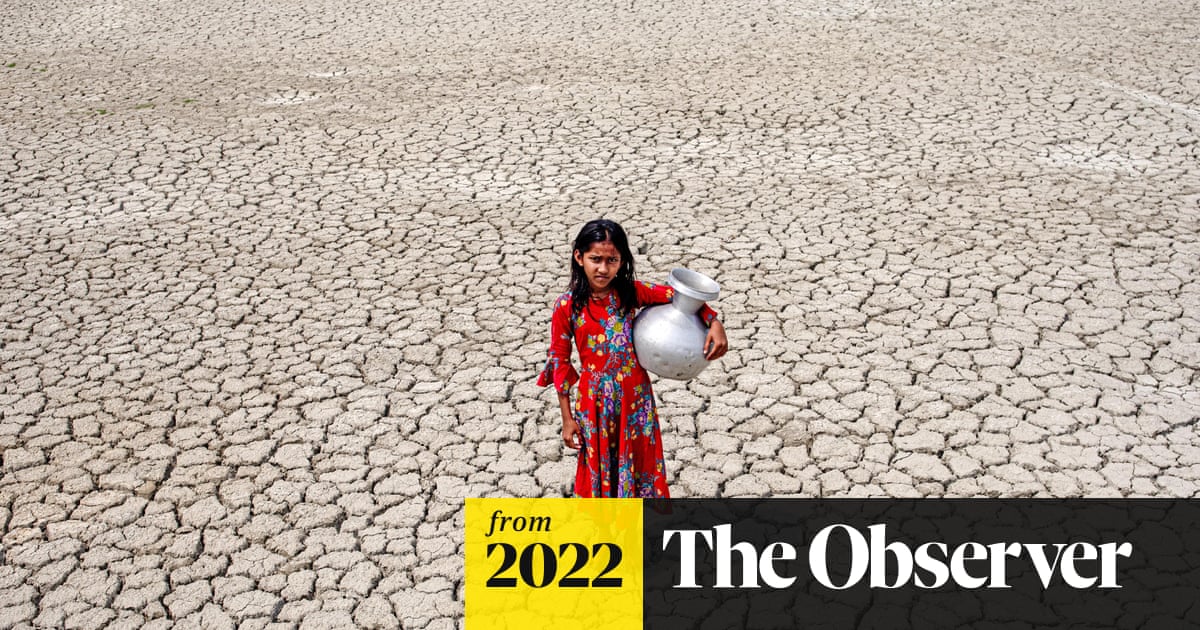
Gaia Vince’s new book, Nomad Century, is an essential read for not only politicians but for everyone on the planet. It presents a clearer narrative than existing scientific reports regarding the world we are forging amidst global heating.
The Prelude to a Changing World
Nomad Century serves as the highly anticipated sequel to Vince’s award-winning work, Adventures in the Anthropocene. In this new book, she posits a challenging yet plausible scenario: by the century’s end, the planet could be 4°C warmer than pre-industrial times. While this projection may evoke fear, the author also provides a hopeful perspective on how humanity can adapt to what may become uninhabitable areas by migrating towards more temperate regions.
A Dystopian Outlook
The early chapters present a dystopian vision based on scientific predictions indicating a future where temperatures exceed those of the past 50 million years. Vince warns that if carbon dioxide and other greenhouse gas emissions continue unchecked, rising sea levels will alter coastlines, devastating storms will become more frequent, forests will succumb to wildfires, droughts will render farmland useless, and entire communities will face obliteration from floods or lack of rainfall.
Mass Migration is Inevitable
Vince highlights that as vast regions become inhospitable, humans will instinctively migrate, echoing our evolutionary history. However, this migration will occur on an unprecedented scale, with billions moving primarily from the tropics to the more welcoming climates of northern countries like Canada and Russia.
The Historical Context of Migration
The author provides a compelling history of human migration, noting its vital role in humanity’s success throughout history. She passionately advocates for the benefits of migration, countering the negative rhetoric surrounding asylum seekers in the media and politics. By examining the plight of migrants, such as those in the Kutupalong refugee camp in Bangladesh, Vince illustrates the dire conditions many face and the need for humane solutions.
Planned Migration: A Viable Solution
Vince argues that the anticipated migration of billions can be strategically managed. Rather than succumbing to chaos, new cities can be constructed to accommodate climate migrants, providing them with opportunities to build their lives anew. She highlights successful integrations of migrant populations into new communities, such as the Neukölln neighborhood in Berlin, showcasing the potential for economic growth and social enrichment.
Global Citizenship: A Modern Proposal
Vince contends that the political barriers limiting migration are relatively recent and counterproductive. She proposes that the United Nations establish a new organization for global migration and offer global citizenship in addition to national identities, ensuring fair treatment for climate migrants. However, this optimistic vision must contend with the prevailing hostility toward migrants, particularly in Europe and the United States.
Concluding Thoughts
While Vince is hopeful about managing the challenges of a 4°C warmer world, she warns against the alternative: a future characterized by conflict and suffering due to mismanagement of mass displacement. As we face the realities of climate change, the union of humanity and proactive planning will determine our path forward.
Bob Ward is the policy and communications director at the Grantham Research Institute on Climate Change and the Environment at the London School of Economics and Political Science. Nomad Century: How to Survive the Climate Upheaval by Gaia Vince is published by Allen Lane (£20). To support the Guardian and Observer, order your copy at guardianbookshop.com. Delivery charges may apply.
‘Nomad Century’: A Vision of Climate Migration
In her groundbreaking book, Gaia Vince delves into the urgent conversation surrounding climate change and its inevitable consequences on global migration. As the planet faces unprecedented heating, Vince presents a critical discourse that should resonate with policymakers and citizens alike.
The Impact of Climate Change
Vince’s latest work provides a stark look at the potential future of our planet. By the century’s end, she warns of a stark temperature rise that could reach 4°C above pre-industrial levels. Such warming could lead to severe transformations, including rising sea levels, intensified storms, and widespread desertification, leading to uninhabitable regions across the globe.
The Migration Challenge
Amidst these dire predictions, Vince highlights the historical role of migration as a fundamental human response to adverse conditions. With the equatorial regions becoming increasingly inhospitable, a massive movement of populations toward the poles could become an essential survival strategy. Already, patterns of migration are emerging as people flee devastated lands and seek refuge in more hospitable climates.
Successful Integration of Migrants
Vince’s analysis underscores the potential benefits of migration, breaking down the myths often perpetuated by political discourse. For centuries, migration has enriched host countries, demonstrating that communities can thrive with diverse populations. For instance, the integration of Syrian refugees in Berlin has resulted in new job opportunities and revitalized neighborhoods, illustrating a model for successful adaptation.
A New Perspective on Global Citizenship
One of the most compelling proposals Vince makes is the idea of global citizenship. She advocates for a future where the United Nations could create frameworks to support climate migrants, allowing individuals to hold dual citizenships. This vision seeks to address the challenges posed by climate-related displacement while fostering cooperation among nations.
Addressing the Fear of Migration
Political rhetoric surrounding migrants often stems from prejudice and misinformation. Vince points out the contrasting receptions afforded to different groups of refugees, emphasizing the necessity of a compassionate and factual approach to migration. Building a society that welcomes change and supports newcomers will be vital in adapting to our changing world.
Hope for the Future
While the threats posed by climate change are serious, Vince maintains a hopeful tone about the future. She emphasizes that with proactive planning and inclusive policies, society can mitigate the disruptions caused by climate upheaval. A collaborative approach may prevent humanitarian crises and foster a more equitable world for all.
Conclusion
Gaia Vince’s ‘Nomad Century’ offers a crucial look into the future of global migration amid climate change, urging us to rethink our responses to this inevitable challenge. As the world faces rising temperatures and shifting populations, her insights come at a critical juncture, encouraging us to act before the realities of climate-induced displacement become unmanageable.
Discover more about Gaia Vince’s transformative ideas in ‘Nomad Century’ and consider how we can create a sustainable and humane response to the challenges ahead.
