


BY HARRY MCCRACKEN
Introduction to the Mac vs. PC Rivalry
For over four decades, the “Mac vs. PC” rivalry has stood as technology’s most prominent competition. This rivalry has often been more indirect, with Apple primarily targeting customers willing to invest in high-end products, typically with price tags exceeding four digits. In contrast, the Windows ecosystem thrives on diversity, offering something for everyone, particularly those shopping on a budget.
Introducing the MacBook Neo
Apple recently introduced a game-changer in this longstanding rivalry: the MacBook Neo, launching tomorrow at prices of $599 and $699. These price points are unprecedented for new Apple laptops, providing an opportunity for a wider range of consumers to access the Mac experience. After spending a few days with the Neo, I can attest to its potential impact on the market.
Relevance to Computer Shoppers
While the cheapest Windows laptops may still come in at lower prices, the Neo’s entry into the market has rejuvenated the Mac vs. PC discussion for a broader audience. Currently, Apple holds just under 9% of computer shipment market share—a number that could rise significantly with the Neo attracting cost-conscious consumers.
Feature Overview: A Premium Feel
Though the MacBook Neo is more basic than its higher-end counterparts, it still retains a premium feel characteristic of Macs. Key elements such as screen quality, comfortable keyboard and trackpad, and superior audio remain intact, making this laptop feel anything but cheap. The device runs on the A18 Pro CPU and 8 GB of RAM, handling everyday tasks efficiently.
Comparison with Windows Laptops
While Windows laptops in the same price range may offer more storage and features like touchscreens, they often lack the refined aesthetics and materials found in the Neo. Most Windows laptops are typically composed of plastic, while the Neo is made of sleek aluminum. The closest competitor, Microsoft’s 13” Surface Laptop, is priced at $900, making the Neo a more appealing option for budget-conscious users.
Visual and Structural Differences
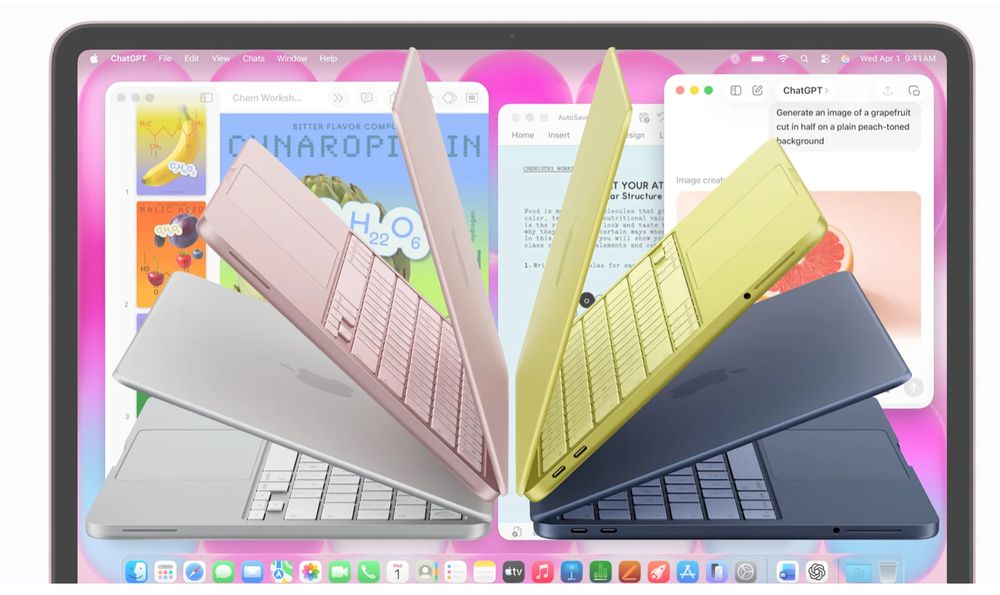
Apple has ensured that the Neo does not feel inferior to its counterparts. Although slightly chunkier than the MacBook Air, it shares the same weight of 2.7 pounds and familiar industrial design. Available in an eye-catching range of colors, including “Citrus” — a shade that shifts between pale yellow and muted green — the Neo presents a visually appealing option without compromising on style.
Balanced Features and Future Considerations
Apple has evidently prioritized features that would resonate with the average consumer while omitting some advanced capabilities found in the MacBook Air. Compromises include the absence of Touch ID on the cheaper model and a lack of backlit keyboards. Despite this, the laptop is adequate for most daily tasks, though users looking for a long-term investment might need to consider future needs regarding RAM and storage capacity.
Conclusion: A Significant Addition to Apple’s Lineup
Ultimately, the MacBook Neo represents a thoughtful approach to cost control rather than an array of groundbreaking new features. It serves as an excellent option for those seeking their first Mac or wanting an upgrade without spending a fortune. If successful, the Neo could compel Windows PC manufacturers to respond with more polished offerings in the same price range—benefiting consumers and enriching the overall laptop market.
The Impact of Apple’s MacBook Neo: Redefining Affordable Computing
By Harry McCracken
Rethinking the Mac Experience with Affordability
For over four decades, the debate between Mac and PC has dominated the tech landscape. However, Apple has traditionally targeted a premium market with its high-priced laptops. The introduction of the MacBook Neo changes the game by offering two versions priced at $599 and $699, making Apple products more accessible to a broader audience.
Broadened Reach for Mac Users
With this latest release, Apple is poised to attract a new demographic of consumers. Currently, Macs make up about 9% of computer shipments, a figure that has been steadily growing. The MacBook Neo promises to increase this share by appealing to cost-conscious shoppers who may have previously considered only Windows laptops.
A Blend of Quality and Value
The MacBook Neo, while more affordable, does not compromise on quality. Although it lacks some features found in pricier models, such as MagSafe and a backlit keyboard, it still delivers a premium experience with an excellent display and comfortable keyboard and trackpad. Powered by the A18 Pro CPU and 8 GB of RAM, it performs everyday tasks with ease.
Competitors in the Same Price Range
While there are many competent Windows laptops available at comparable price points, few match the Neo’s build quality. Most Windows alternatives utilize plastic, whereas the Neo features a sturdy aluminum chassis. For those seeking a solid laptop without spending a fortune, the Neo stands out even among its PC competition.
Striking a Balance between Features and Affordability
The MacBook Neo is not just a scaled-down version of the MacBook Air. With a price gap of $400 between the two models, each is distinct in its own right. Apple cleverly crafted the Neo to appeal to casual users while omitting some high-end features to keep costs down, such as advanced display technologies and enhanced connectivity options.
Performance Meets Practicality
In terms of performance, the MacBook Neo handles everyday applications like Microsoft Teams and Photoshop without lag. However, for those who heavily rely on advanced computational tasks, this laptop may not suffice long-term. Its specifications meet casual user needs perfectly but may fall short for intensive applications in the future.
Implications for the Laptop Market
If the MacBook Neo becomes a commercial success, it could influence the broader laptop market. Historically, competition from Apple has driven improvements in the Windows PC sector. A thriving sales performance for the Neo could inspire manufacturers to enhance the quality of budget laptops, aiming for a more refined build and design across the price spectrum.
