


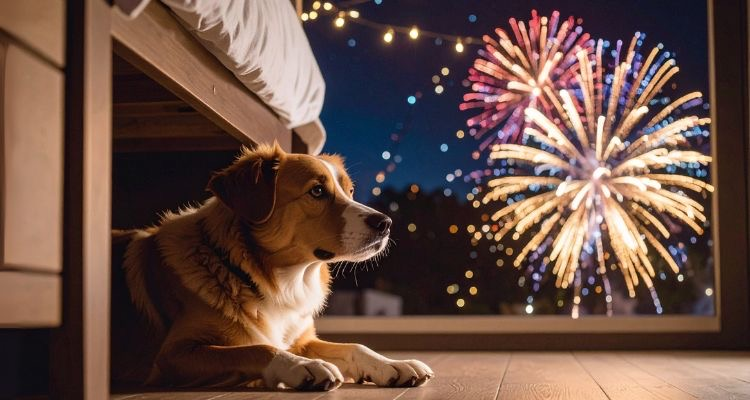
Understanding the Risks of Fireworks for Pets and Wildlife
As Independence Day draws near, Animal Wellness Action is urging Americans to be mindful of the dangers that fireworks pose to both companion animals and wildlife. With simple yet essential measures, we can ensure that our furry friends remain safe and calm during these celebratory occasions.
The Impact of Fireworks on Animals
For many, fireworks are synonymous with Fourth of July festivities. However, the loud booms and bright flashes can incite panic and distress among various animals. Dogs, cats, horses, deer, birds, and numerous other species react to fireworks not as a celebration, but as an imminent threat—leading to fear, confusion, and frantic attempts to escape.
A Call to Compassion
“Fireworks are festive for humans, but they can be terrifying for our animal companions,” stated Wayne Pacelle, president of Animal Wellness Action. “Each year, we witness tragic outcomes: distraught dogs fleeing from fenced yards, lost cats, and disoriented wildlife suffering as a result of the pandemonium.”
Increased Incidents of Lost Pets
Across the nation, animal shelters report a surge in missing pets following fireworks displays. Terrified animals frequently escape from yards, slip out of harnesses, or even break through windows, desperate to flee the noise. Many suffer injuries, get hit by cars, or remain unclaimed by their owners.
Tips for Keeping Pets Safe This Fourth of July
To protect your pets during Independence Day celebrations, follow these crucial tips:
- Keep pets indoors and secure in a quiet, comfortable space prior to fireworks starting.
- Create a calming environment with familiar bedding, toys, and access to food and water.
- Reduce loud noises by using fans, white noise machines, or soothing music to muffle the sounds of fireworks.
- Consult your veterinarian about calming options like anxiety wraps or medications.
- Ensure pets are microchipped and wearing updated ID tags in case they escape.
- Avoid bringing pets to fireworks displays, as even the most social animals may panic in loud and unfamiliar settings.
The Broader Impact on Wildlife
It’s not just household pets that suffer; fireworks can also induce significant stress and disorientation in wild animals. Birds may abandon nests and become separated from their young, while small mammals risk injury amidst the chaos. Farm animals, including horses and livestock, may react in terror, leading to dangers for themselves and other creatures around them.
Exploring Quieter Alternatives
“Fireworks celebrations can have ripple effects far beyond our backyards,” added Pacelle. “By considering more compassionate approaches—such as drone or laser shows—we can enjoy the festivities while minimizing distress for animals.”
Joining the Movement for Animal Safety
Animal Wellness Action encourages communities, cities, and individuals to acknowledge the effects of fireworks on animals and to adopt common-sense measures to mitigate fear, injury, and separation. Together, we can work towards a safer celebration for all creatures, great and small.
Animal Wellness Action is based in Washington, D.C., and operates as a 501(c)(4) organization dedicated to advancing laws and regulations at the federal, state, and local levels aimed at preventing cruelty to all animals.
How to Protect Pets and Wildlife from Fireworks
The Hidden Dangers of Fireworks
As we prepare for festive celebrations, it’s crucial to acknowledge the potential hazards that fireworks pose to both household pets and local wildlife. While many enjoy the dazzling displays, the loud noises and bright flashes can result in significant stress and confusion for animals of all kinds.
Impact on Household Pets
Fireworks often spark panic among pets like dogs, cats, and small animals. Unlike humans, these creatures perceive fireworks as alarming threats rather than exciting festivities. Many pets react instinctively by fleeing, which can result in dangerous situations, including injuries or becoming lost.
Common Reactions of Pets
Pets often exhibit distress behaviors during fireworks, such as hiding, excessive barking, or attempts to escape. Unfortunately, shelters report a noticeable increase in lost pets around the Fourth of July, leading to heartbreak for families and pets alike.
Effective Safety Measures for Pet Owners
To ensure the safety and comfort of your pets during fireworks, consider these practical tips:
- Keep pets indoors in a secure, quiet area before the fireworks start.
- Create a comforting space with toys and familiar bedding.
- Use white noise machines or calming music to mask sounds.
- Consult your veterinarian for calming options, including wraps and medications.
- Ensure pets wear current ID tags and are microchipped.
- Avoid taking pets to public fireworks displays.
Wildlife at Risk
Fireworks don’t only affect household pets; they can also be detrimental to wildlife. Local birds may abandon their nests, while small mammals can become disoriented and injured. Farm animals, including horses and livestock, can panic, leading to potential harm to themselves and others nearby.
Consider Alternatives to Fireworks
This year, many advocates suggest exploring quieter alternatives to traditional fireworks, such as laser shows or drone displays. These options can provide a celebratory atmosphere without the associated stress for animals.
Join the Movement for Animal Safety
As we celebrate, let’s remain mindful of the impact fireworks have on the animals that share our environment. By making informed choices and taking proactive steps, we can ensure a joyful and safe experience for everyone involved.
