


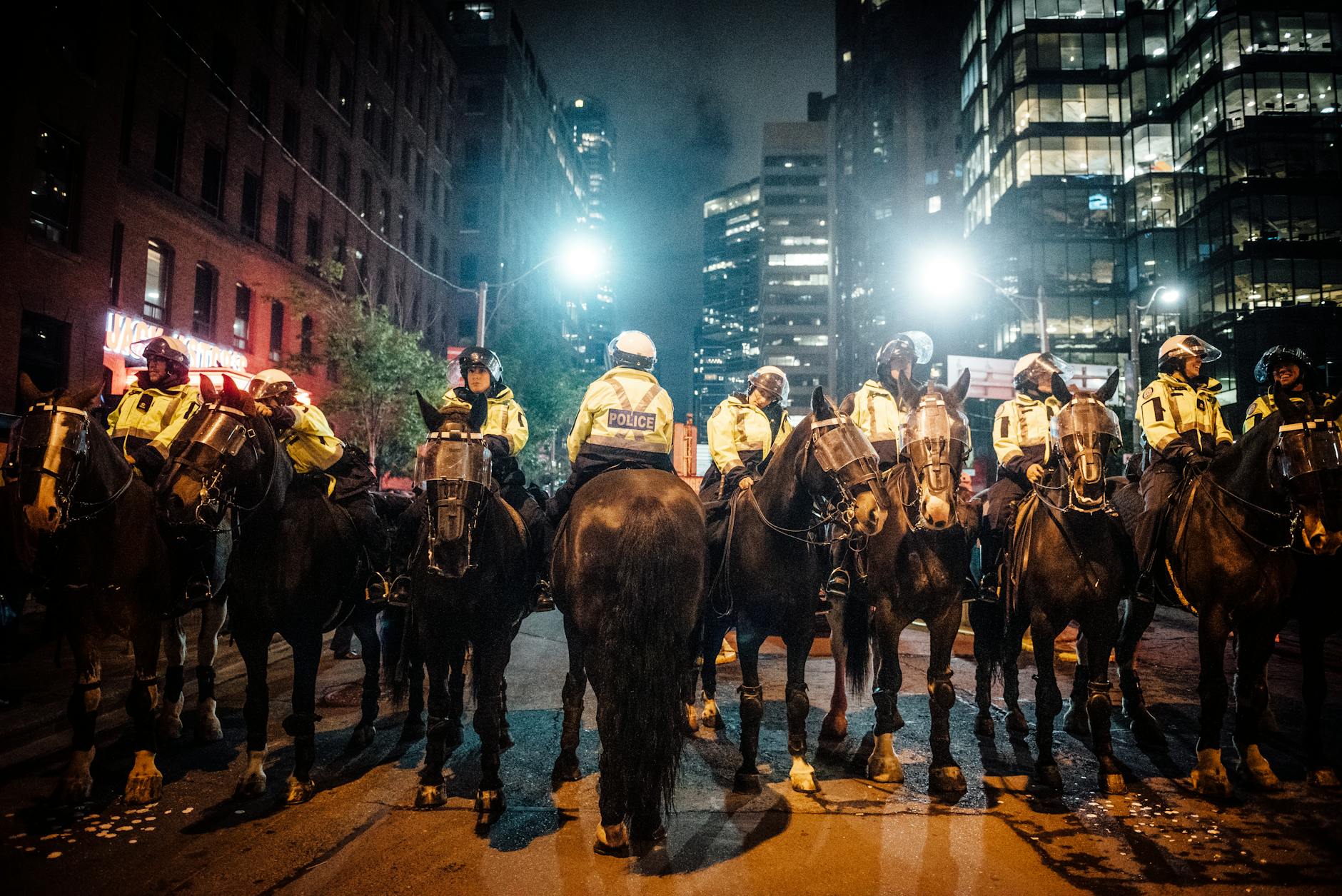
Los Angeles and California are no strangers to protest. From the fiery LA riots of the past to the more recent organized demonstrations for social justice, these acts of collective voice have repeatedly shaped the state’s identity. But while the immediate spectacle of “protests in LA today” often dominates the headlines, the true power of these movements lies in their long-term impact—a legacy that continues to influence policy, redefine community relations, and shift public consciousness. This article delves into the enduring ramifications of protests across California, revealing how they have driven profound societal change.
The Transformative Echo of the LA Riots
The 1992 LA riots, sparked by the Rodney King verdict, represent a watershed moment in American history. More than just an outbreak of chaos, these “Rodney King riots” were a cry for justice, echoing decades of systemic racial discrimination and police brutality, particularly felt in neighborhoods like Compton and Downtown LA. The immediate aftermath saw extensive destruction and calls for order from the LAPD and the California National Guard. Yet, beyond the immediate devastation, the 1992 LA riots catalyzed significant, albeit gradual, transformations.
In their wake, there was intense scrutiny on the LAPD and calls for police reform, leading to changes in training, community policing initiatives, and a greater emphasis on accountability. The riots forced the nation to confront uncomfortable truths about race and poverty in urban centers, leading to dialogues and some investment in underserved communities. While the scars remained, the collective experience propelled conversations that continue to this day, emphasizing that a “riot” is often a stark symptom of deeper societal issues. The question of “what happened in LA” became a national inquiry, leading to introspective analyses by outlets like the Los Angeles Times and NPR News.
Driving Policy Change: Immigration and Civil Rights Protests
Throughout California’s history, protests have consistently acted as a powerful lever for policy change. The state, with its diverse population, has been a key battleground for immigration rights. The intensity of “ICE raids LA” and the widespread opposition to them have fueled countless “Los Angeles immigration raids protests.” These “LA ICE protest” movements, often meticulously organized, have not merely been acts of defiance but strategic efforts to influence legislation and shift public opinion on “what is ICE” and its practices.
The sustained pressure from “ICE protests Los Angeles” has contributed to California adopting more immigrant-friendly policies, including “sanctuary state” designations and increased legal aid for undocumented residents. Figures like Governor Gavin Newsom and Congresswoman Maxine Waters have often found their political agendas shaped by these powerful grassroots movements. The ongoing “immigration news” often highlights these battles, demonstrating that protest can be an effective, albeit slow, mechanism for influencing lawmaking and enforcement at both state and local levels. The visibility provided by “KTLA News” and “NBC News” ensures these issues remain at the forefront of public discourse.
Empowering Communities: Grassroots Activism and Social Consciousness
Beyond legislative wins, the enduring legacy of protests in California lies in their capacity to empower communities and reshape social consciousness. Each “LA protest,” whether it’s a massive march or a localized demonstration in Paramount CA, reinforces the power of collective action. They provide a platform for marginalized voices, fostering a sense of solidarity and shared purpose.
The repeated calls for justice seen in “protests in Los Angeles today” or in broader “California protests” contribute to a gradual but profound shift in public attitudes towards issues like racial justice, police accountability, and economic inequality. These movements keep critical issues on the public agenda, preventing complacency and reminding society of unresolved injustices. The question of “what’s happening in California” or “what is going on in LA” frequently points to these ongoing struggles, highlighting the persistent efforts of community organizers and activists. Figures like Kamala Harris, whose career began in California, have been shaped by the social movements emerging from these very streets.
Legal and Governmental Ramifications: The Role of the National Guard and Federal Acts
The repeated incidence of protests—and in some cases, riots—has also had a lasting impact on how state and federal governments view and respond to civil unrest. Discussions around the deployment of the National Guard (National Guard Los Angeles, National Guard California, National Guard LA) often follow significant demonstrations. This leads to continuous review of legal frameworks such as the Insurrection Act and the Posse Comitatus Act.
The question of “can the President deploy the National Guard” or debates ignited by “Trump Insurrection Act” narratives underscore the gravity of these legal instruments. While the National Guard plays a dual state-federal role, the strictures of the Posse Comitatus Act generally keep federal military branches like the Marines out of domestic law enforcement, a crucial distinction often highlighted during discussions of “what is martial law.” The very existence of these laws and their continued relevance in discussions by figures like Pete Hegseth, Kristi Noem, and Markwayne Mullin demonstrate the enduring impact of protests on the boundaries of governmental power and military involvement in civilian life.
The Enduring Dialogue: Media, Public Figures, and Ongoing Challenges
The legacy of protests is also continually shaped by media coverage and the reactions of public figures. From the detailed reports in the Los Angeles Times to the fast-paced updates on “LA news today” from outlets like “Daily Mail” and “Daily Caller,” the narrative surrounding protests is constantly evolving. Shows like “Face the Nation” and the pervasive “Trump news today” discussions ensure that the issues driving these movements remain part of national discourse.
Figures such as Bill Essayli and former LAPD chief Jim McDonnell have offered various perspectives on the challenges of managing public demonstrations and their aftermath. This ongoing dialogue underscores that while protests can lead to significant change, the underlying societal issues—be it systemic inequality, immigration reform, or racial injustice—are complex and require continuous effort. The presence of new urban technologies like Waymo vehicles in Los Angeles also frames the modern context of these dialogues, even if not directly related to the acts of protest themselves.
Conclusion: A Legacy of Continuous Change
The history of protests in California and Los Angeles is far more than a series of isolated events. It is a testament to an ongoing, powerful force that has persistently shaped the state’s social, political, and legal landscape. From the deep scars of the Rodney King riots that forced introspection and reform, to the sustained efforts against ICE raids LA that have influenced policy, protests have proven to be an indispensable engine for progress.
The enduring legacy of these movements lies in their ability to ignite public consciousness, empower marginalized communities, and hold institutions accountable. Even as the forms of protest evolve, adapting to new technologies and social landscapes, their fundamental purpose remains: to challenge the status quo, demand justice, and ensure that the voice of the people continues to resonate throughout California. This persistent activism reminds us that true change is often a marathon, not a sprint, built on the foundations laid by those who dared to protest.
