


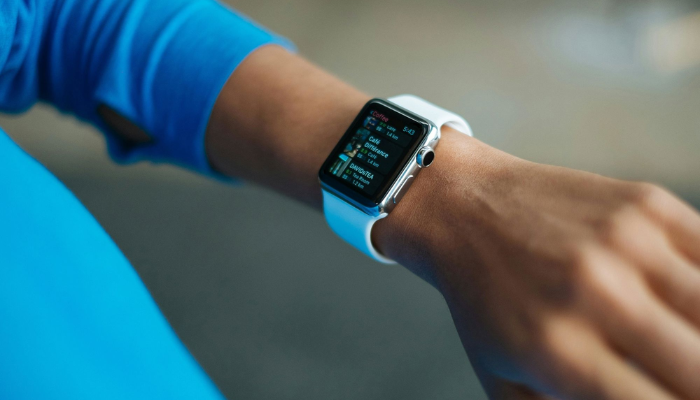
As we head into 2026, wellness practices are set to evolve significantly, driven by a collective reassessment of how we care for our bodies, minds, and communities. The tech-centric advancements of 2025, characterized by AI therapy, sleep optimization, and a heightened focus on healthspan, are paving the way for a more deliberate and individualized approach to wellness.
Experts predict a growing preference for personalized health plans, minimal skincare routines, and targeted supplementation, marking a shift away from generic solutions. This new outlook emphasizes the importance of human connection and communal wellness as cornerstone elements for sustainable well-being.
Personalized Supplementation Takes Center Stage
The wellness industry is moving away from one-size-fits-all supplements toward tailored nutrition plans. Instead of relying on generic multivitamins, many individuals are exploring functional medicine to precisely determine their health needs. This involves comprehensive medical testing, including blood and urine analysis, which helps identify deficiencies in vitamins, minerals, and hormones.
“The future of supplementation is bespoke—not in luxury, but in logic,” asserts longevity expert Leslie Kenny. She emphasizes that understanding individual health variables through testing lays the groundwork for effective personalized supplement plans. This individualized methodology allows for symptom treatment at their root rather than merely addressing surface-level issues, transforming the landscape of nutritional health.
The Rise of the Tech Abstinence Movement
With increasing screen time leading to heightened stress and burnout, a counter movement advocating for reduced digital exposure is gaining traction. Research underscores the detrimental effects of prolonged screen use, especially among women, prompting many to set boundaries around technology use.
Tech-free practices are becoming more popular, including leaving phones out of bedrooms, utilizing analog alarm clocks, and participating in digital detox retreats. “As humans, our default state is presence, and a slower pace allows us to reconnect with that essence,” notes psychotherapist Sarie Taylor. This trend not only improves mental well-being but also fosters more sustainable self-care habits.
Emphasizing Community Wellness
Wellness is gradually shifting from a solo endeavor to a more collective effort centered around social experiences and connections. Although the concept of self-care remains prevalent online, growing evidence supports that social bonds are crucial for health and longevity.
As a result, community-focused wellness initiatives are emerging, including group exercise sessions, shared health programs, and gatherings centered around common interests. “Women, in particular, crave spaces of connection,” explains movement specialist Sarah Aspinall. This shift signifies a move toward “social health,” where community interactions play a therapeutic role in overall well-being.
Exploring Wellness in the Metaverse
Despite the push for reduced screen time, virtual platforms are still playing a significant role in promoting health. Technologies such as virtual reality (VR) are being employed to offer immersive fitness, mindfulness, and therapy experiences. From virtual workouts to guided meditations, these digital tools are reshaping wellness practices.
“The VR healthcare market is projected to grow by nearly 30% annually through 2030,” states Dr. Blen Tesfu, a medical advisor. This expansion reflects a growing acknowledgment of VR as a viable solution for mitigating stress and enhancing mental wellness and physical rehabilitation. Such innovations provide convenient and accessible options, particularly beneficial for those with demanding schedules.
A Simpler Approach to Skincare
As wellness trends evolve, skincare routines are shifting towards simplicity, moving away from complex regimens. Research suggests that a proliferation of products can compromise skin health, prompting many to adopt more straightforward skincare methods focused on fewer, effective steps.
“Integrating gentler, barrier-focused products into routines is essential,” explains dermatologist Dr. Shamsa Kanwal. A streamlined skincare regimen—comprising basic cleansing, moisturizing, and sun protection—paired with targeted products, is anticipated to dominate the landscape in 2026. This approach not only reduces irritation but also emphasizes the importance of maintaining the skin’s natural barrier.
Transforming Wellness: Trends to Look for in 2026
The landscape of wellness is poised for significant transformation in 2026 as individuals reassess their approaches to health, mindfulness, and community engagement. As technology continues to weave itself into the fabric of our daily lives, the focus will shift towards simpler, more individualized practices that prioritize genuine connections and holistic well-being.
Emphasis on Personalized Health Plans
2026 is set to herald the era of customized health solutions. Moving away from generic supplements and healthcare recommendations, people are expected to favor personalized nutrition and lifestyle plans. This personalized approach relies on detailed health assessments, including blood and urine tests, to determine individual deficiencies and needs.
Experts suggest that this transition will be guided by functional medicine principles, enabling healthcare providers to identify and address the root causes of health issues. “Bespoke supplementation rather than a one-size-fits-all regimen reflects our growing understanding of personal health,” notes longevity expert Leslie Kenny.
The Rise of Tech Abstinence
As society grapples with the repercussions of excessive digital engagement, a counter movement advocating for reduced screen time is gaining traction. Research indicates a correlation between increased screen exposure and heightened stress levels, leading many to implement boundaries around technology usage.
Practices such as digital detox retreats and assigning technology-free zones will likely foster a slower, more connected lifestyle. This trend emphasizes the importance of presence, as mental clarity and improved well-being are closely tied to moderated tech use.
Community-Centric Wellness Approaches
In an age dominated by individualism, wellness initiatives are gradually shifting towards a community-based model. Research consistently shows that social connections are integral to well-being. Consequently, community-led wellness programs are gaining popularity, focusing on shared health experiences and collective activities.
Movements that promote group fitness activities and health-focused gatherings are expected to thrive, providing essential support systems—particularly for women navigating life transitions. This shift reflects an evolving understanding of well-being as a collective endeavor.
Wellness in the Metaverse
Even as some advocate for less screen time, digital avenues for wellness are expanding rapidly. Virtual reality and online platforms are emerging as tools for delivering immersive fitness, mindfulness, and therapy sessions. This fusion of technology and health aims to foster greater accessibility to wellness solutions.
With forecasts indicating significant growth in the VR healthcare sector, virtual environments are becoming validated resources for stress management and physical therapy, making wellness experiences more inclusive for individuals with varying schedules and commitments.
Simplified Skincare Regimens
The skincare industry is expected to pivot towards more streamlined routines in response to consumers’ demands for simplicity. Lengthy and complex regimens can lead to frustration and potential skin issues; thus, a focus on fewer, more effective products is anticipated.
Experts argue for the importance of barrier-friendly skincare that minimizes irritants. Dermatologist Shamsa Kanwal advises a simplified routine that includes essential steps like cleansing, moisturizing, and sun protection to support healthy skin without overwhelming it.
Conclusion: Embracing a Holistic Wellness Future
As we move towards 2026, the future of wellness looks promising, characterized by a greater emphasis on individualized care, community connections, and the integration of technology with mindfulness. By adopting simpler routines and prioritizing genuine human interaction, individuals are poised to cultivate a more vibrant, fulfilling approach to health and well-being.
