


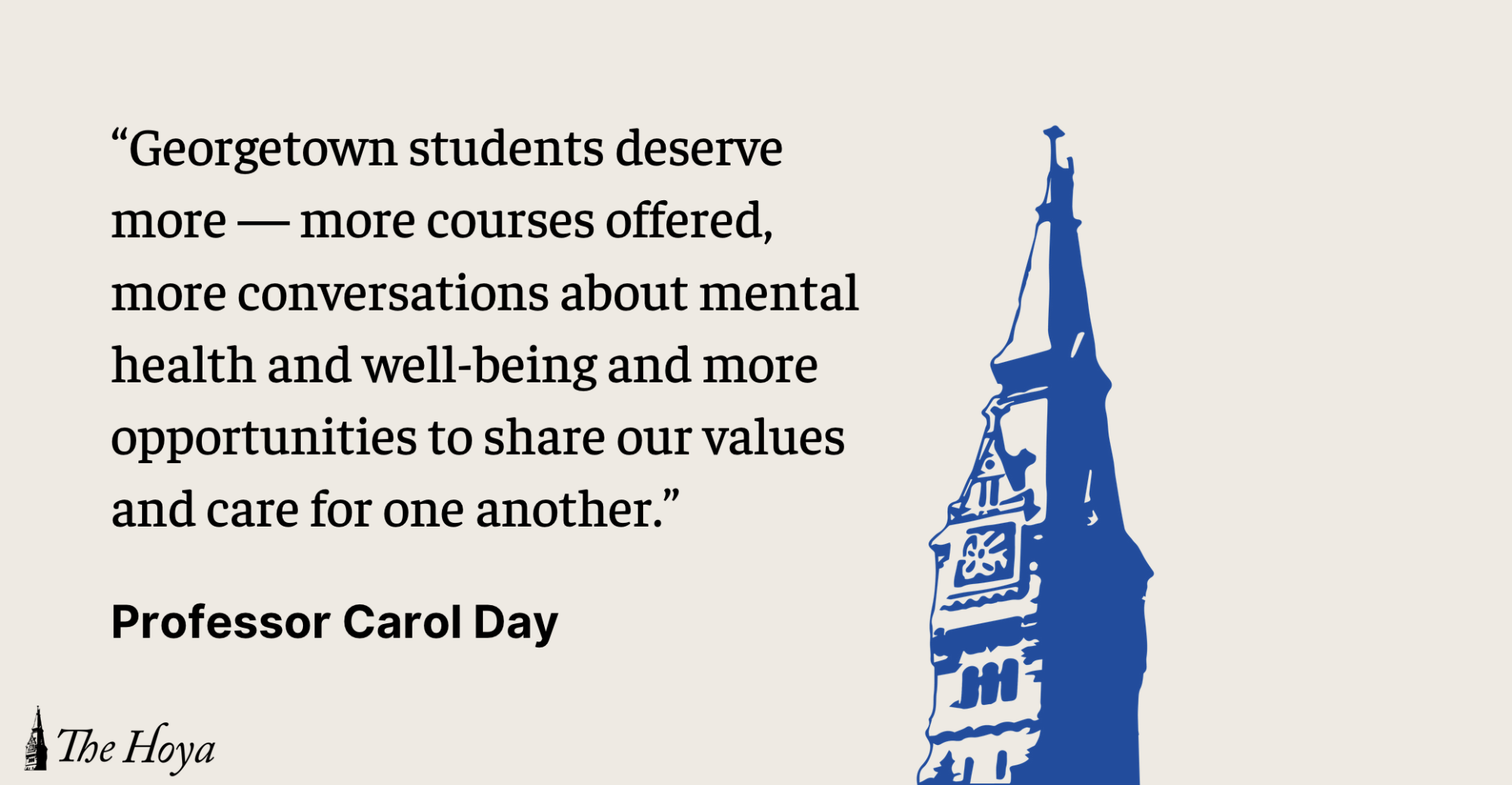
The Importance of Mental Health and Well-Being in College Education
In today’s rapidly evolving landscape, societal challenges such as global pandemics, health crises, and political instability contribute to feelings of uncertainty and distress among individuals, especially college students. This highlights the crucial need for effective mental health support and well-being practices within educational institutions.
For decades, the mental health of college students has been a pressing public health issue. Findings from the Healthy Minds Study reveal that approximately 60% of students meet the criteria for at least one mental health disorder, while 34.6% have multiple diagnoses. Additionally, 38% exhibit symptoms of depression and 34% show signs of anxiety. Such statistics indicate a pressing need for educational frameworks that prioritize student well-being.
Academic performance invariably suffers when students are stressed; hence, learning about mental well-being is essential in reducing stress and fostering resilience. Classrooms dedicated to well-being serve as fundamental spaces where students can cultivate healthy habits. It is imperative for Georgetown University students to recognize the significance of well-being courses and advocate for the integration of these practices into their academic offerings. This could include implementing core requirements for well-being classes and adopting initiatives like the Okanagan Charter, aiming to prioritize well-being for faculty, staff, and students alike.
Expanding Mental Health Resources in Higher Education
In response to the COVID-19 pandemic, universities nationwide have ramped up mental health resources, offering both in-person support and teletherapy options. All students can greatly benefit from learning how to incorporate evidence-based well-being practices into their lives. This education is essential not just for individual wellness but also for overall flourishing, which is a fundamental aspect of human health.
I teach a course focused on the principles of well-being, aimed at enhancing students’ physical, social, and emotional health, even in challenging times. The course, IDST-112 (now UNXD-2112), was designed in collaboration with Emeritus Teaching Professor Sarah Stiles during the university’s remote learning phase. This course builds on our previous “Flourishing” initiative, developed under a grant from the American Association of Colleges and Universities (AAC&U) in 2015, which underscores the importance of well-being for students’ personal development.
National Trends and Initiatives in Well-Being Education
Across the nation, several prestigious colleges, including Harvard, University of Pennsylvania, Stanford, University of Virginia, and Yale, are offering courses centered on well-being and flourishing. These institutions have established academic frameworks focused on health, positioning them as leaders in well-being education. Georgetown University has the potential to follow in their footsteps by expanding its own offerings in this domain.
The Engelhard Project and Beyond
Georgetown’s Engelhard Project exemplifies an innovative approach to merging academic content with student health initiatives. Celebrated for its success over the past 20 years, this program integrates mental health concepts into various courses, fostering a holistic understanding of well-being. While numerous Georgetown courses address health concerns, there remains room for growth and improvement.
Outside the formal curriculum, student-led organizations like Hoyas Connected and Project Lighthouse actively promote mental health awareness among peers. As a Jesuit university, Georgetown embodies a culture of care, encouraging students to support one another amidst the challenges of academia.
Empowering Students to Advocate for Well-Being
Education on health and well-being equips students with the tools necessary to navigate their college experience and beyond. Whether discussing the significance of sleep or the power of social connections, these courses provide valuable insights and practical skills. As future leaders, Georgetown students will play crucial roles in creating supportive communities and networks, extending their learning experiences to others.
The mission of Georgetown University aligns with the promotion of well-being within the academic environment, rooted in the principles of cura personalis or care for the whole person. This positions Georgetown as a natural leader in the pursuit of well-being in higher education.
Ultimately, students play a vital role in advocating for expanded well-being offerings within the university. While working towards more courses and dialogue on mental health, students should actively engage with programs like the Engelhard Project and contribute to the newly established Healy well-being hub. By being co-creators of their educational experience, students can help shape a culture that prioritizes mental health and well-being.
As a Catholic, Jesuit institution, Georgetown is called to lead by example in the realm of well-being, ensuring that students receive the education and support necessary to thrive personally and academically.
— Carol R.T. Day, Director of Health Education Services and Adjunct Assistant Professor of Human Science, Georgetown University School of Health
Promoting Well-Being in Higher Education
The Context of Mental Health in College
In an era marked by rapid changes, including global health crises and social injustices, college students often face unprecedented levels of stress and anxiety. Mental health issues in higher education have been a significant concern, with recent surveys indicating that a considerable number of students struggle with various mental health challenges.
Impact of Stress on Academic Performance
Students cannot reach their full academic potential when burdened by stress. Understanding well-being is crucial for reducing stress levels and building resilience. Universities that prioritize well-being create environments conducive to healthy learning and personal growth.
The Role of Well-Being Courses
Institutions like Georgetown University should recognize the value of well-being courses and encourage their implementation. Incorporating well-being education into the curriculum could not only help students personally but also pave the way for a healthier campus atmosphere.
Current Mental Health Resources
In response to increased demands for mental health resources, universities nationwide have expanded both in-person and teletherapy options. Students can benefit from learning evidence-based practices to enhance their well-being, which is fundamental for overall health and thriving in college life.
Innovative Curricular Approaches to Well-Being
Georgetown’s Engelhard Project exemplifies a unique approach to integrating health and wellness into a broad range of academic disciplines. With a successful two-decade track record, this initiative has effectively interconnected student health with various academic subjects.
Student-Led Initiatives for Mental Health Awareness
Numerous student organizations, such as Hoyas Connected and Project Lighthouse, play a vital role in promoting mental health awareness on campus. With a Jesuit foundation emphasizing care and compassion, Georgetown students are well-positioned to support one another in navigating mental health challenges.
Advocacy for Enhanced Well-Being Education
Georgetown students are natural advocates for issues that matter to them. By participating in well-being courses and sharing positive experiences, they can help cultivate a campus culture that prioritizes mental health and well-being, ultimately benefiting future generations.
