


Google Productivity Apps Lead Koreans, Surpassing Naver
Introduction
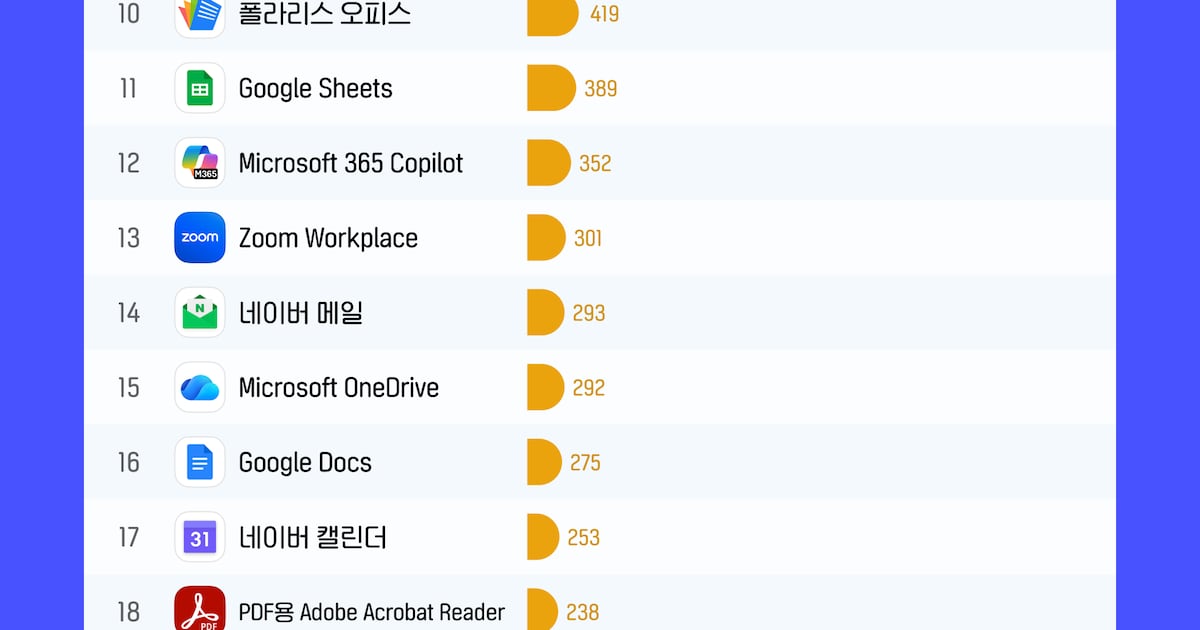
In a remarkable shift in digital user habits, Google’s suite of productivity applications has surpassed Naver, a local giant, in usage among South Korean consumers. This transition marks a significant milestone in the competitive landscape of digital tools in the region, propelling Google to the forefront of user engagement.
The Rise of Google Applications
Google has steadily expanded its influence in South Korea by offering a seamless user experience through applications like Google Drive, Google Docs, and Google Sheets. These applications provide robust functionalities that cater to both individual and collaborative needs, making them increasingly popular among users seeking efficiency and flexibility.
Naver’s Historical Dominance
Naver has long been a leading player in the digital landscape of South Korea, boasting a strong user base for its search engine and various productivity tools. However, the company faces increasing competition as users gravitate towards Google’s highly integrated ecosystem that promotes productivity.
User Preferences and Engagement
Research indicates that users prefer Google’s intuitive design and real-time collaboration features, which are absent from many of Naver’s offerings. As remote work and team collaborations continue to rise, the demand for tools that accurately meet these needs has significantly influenced user preferences.
Impact of Global Trends
The global shift towards digital solutions has also played a substantial role in this change. As more people worldwide adopt Google’s applications for their versatility and accessibility, South Korean users are following suit, recognizing the benefits of these tools for both personal and professional uses.
Future Implications for Naver
This newfound competition presents both challenges and opportunities for Naver. To regain user trust and engagement, the company must innovate its productivity tools and tap into user feedback to enhance its offerings, ensuring they remain relevant in the evolving digital space.
Conclusion
The transition of user preferences from Naver to Google productivity apps signifies an important evolution in South Korea’s digital ecosystem. As more users prioritize functionality and collaborative features, it will be crucial for both companies to adapt and innovate to meet the ever-changing demands of the marketplace.
The Rise of Google Productivity Apps in South Korea
Introduction to Productivity Apps
In an ever-evolving digital landscape, productivity apps play a crucial role in enhancing users’ workflow and efficiency. South Korea, known for its tech-savvy population, is witnessing a significant shift in the usage patterns of these tools. Google’s suite of productivity applications is surging in popularity, marking a notable trend in user preferences.
Google vs. Local Competitors
Previously dominated by local players such as Naver, the productivity app market is now seeing Google gaining a foothold. The shift can be attributed to Google’s user-friendly interface, seamless integration across devices, and robust features that cater to both individuals and businesses.
Why Users Prefer Google Apps
One of the primary reasons for the increasing adoption of Google productivity apps is their accessibility. Users are drawn to tools like Google Docs, Sheets, and Drive due to their collaborative features, which allow real-time editing and sharing. This functionality has become essential for teams, particularly in a post-pandemic world where remote work is more common.
Impact of Mobile Usage
The rise of mobile technology in South Korea cannot be overlooked. With the majority of users accessing apps via their smartphones, Google’s mobile-friendly apps provide an edge over competitors. This accessibility has significantly contributed to the growing preference for Google’s suite of tools.
Changing User Trends
Surveys indicate a paradigm shift in user trends. While Naver and other local services still maintain a loyal user base, younger demographics are increasingly favoring Google’s offerings. This trend highlights a broader cultural shift towards global platforms that deliver efficient and innovative solutions.
The Future of Productivity Tools
The future of productivity tools in South Korea appears to be leaning towards global giants like Google. As users continue to prioritize efficiency, convenience, and collaboration, the demand for innovative features will drive competition in this sector. Local platforms may need to adapt swiftly to maintain their relevance.
Conclusion
In conclusion, the rise of Google productivity apps in South Korea signifies a substantial shift in user preferences. As the market continues to evolve, both local and global providers will have to innovate to meet the demands of an increasingly diverse user base. The competition will ultimately benefit users, providing them with better tools for productivity and collaboration.
