


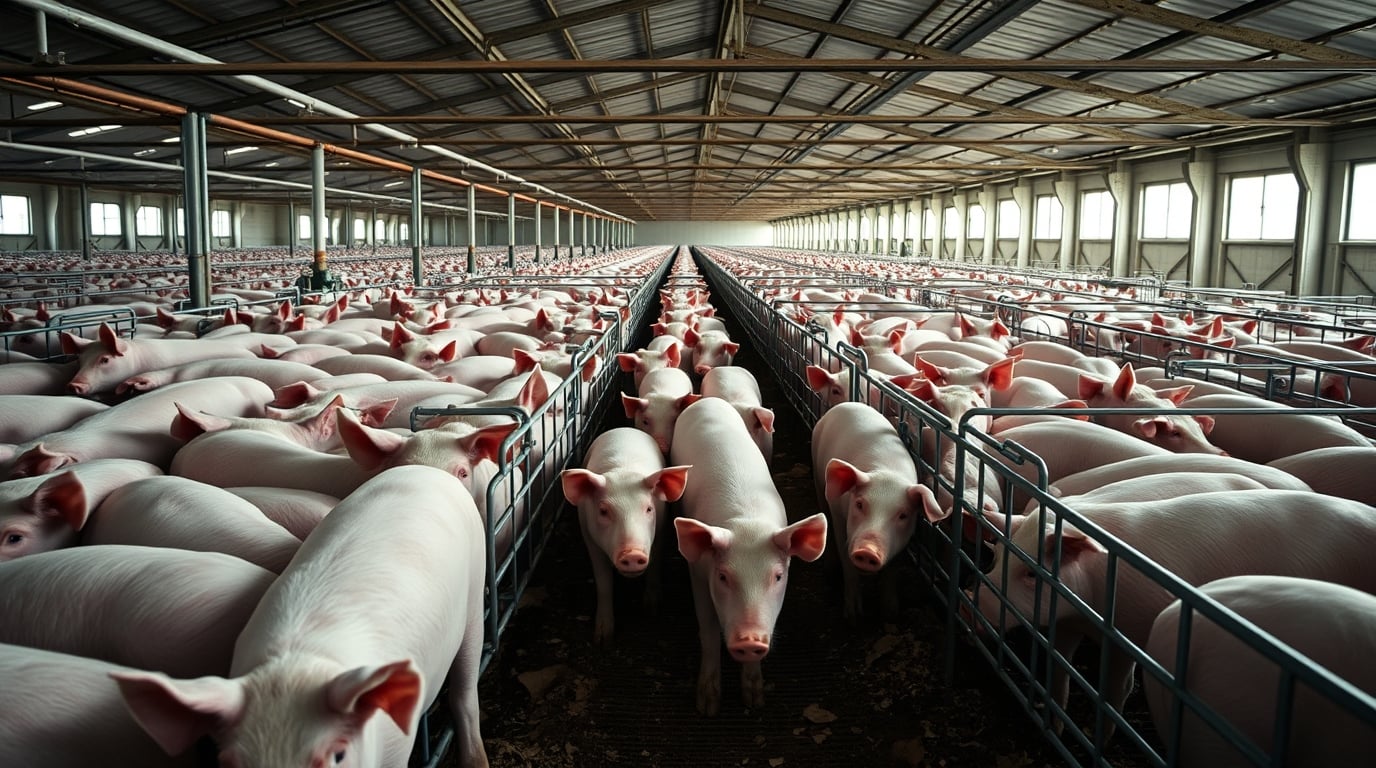
America’s hog sector is experiencing growth, but in a manner that might surprise many. The latest data from the USDA National Agricultural Statistics Service highlights a slight increase in the overall hog herd, despite a reduction in the breeding stock.
Understanding the Growth in America’s Hog Sector
According to the March 26 report, the U.S. hog population reached 74.3 million as of March 1, reflecting a minor increase from the previous year. This growth occurs even as producers strategically manage their breeding herds, relying on improved litter performance to maintain supply levels.
Contradictions in Herd Size: More Pigs from Fewer Breeders
While it may seem counterintuitive, the report indicates that U.S. hog producers are achieving more output with fewer breeding animals. The data shows there are 68.4 million market hogs compared to only 5.89 million breeding hogs. This scenario reveals how efficiency in modern pork production is allowing the industry to thrive despite a shrinking breeding base.
The Impact of Larger Litters on Production Efficiency
Productivity gains are critical in this context. During the period from December 2025 to February 2026, U.S. farmers weaned approximately 33.2 million pigs, with an average of 11.90 pigs per litter—an increase from the previous year. Such productivity contributes significantly to the bottom line, helping producers mitigate rising feed costs and labor expenses while still providing ample market-ready animals.
Future Plans of Hog Producers
The pressing question for the industry is whether producers plan to continue expanding or take a more cautious approach. USDA’s projections indicate that farmers are expected to farrow 2.86 million sows from March to May, and 2.90 million from June to August. This indicates a carefully measured strategy, with producers maintaining a steady outlook on demand and profit margins without making drastic changes.
Key States Leading the Hog Industry
As always, certain states dominate the U.S. hog production landscape. Iowa leads with 24.7 million hogs, followed by Minnesota with 9.30 million and North Carolina at 7.60 million. These states play a crucial role in the agricultural economy, impacting grain demand, meatpacking activities, and rural livelihoods within the Midwest and Southeast regions.
The Broader Implications of the USDA Report
This USDA report reflects that the pork sector is discovering ways to maintain productivity in a cautious market. A slightly larger hog population, combined with enhanced litter performance, emphasizes stability rather than explosive growth. The ramifications extend beyond agriculture, influencing grocery store pork supplies, feed demand in corn-producing regions, and price trends across the meat industry.
In conclusion, understanding the dynamics within the U.S. hog sector is vital for stakeholders across various industries. The ongoing trends in production efficiency, breeding strategies, and market demands are pivotal in shaping the future of American agriculture.
Insights into the Growth of the U.S. Hog Sector
The U.S. hog industry is on a trajectory of subtle growth, reflecting unexpected dynamics in herd management and production efficiency. Recent statistics reveal an increase in the total hog population, yet a decline in the breeding base—an interesting trend that highlights the evolving nature of modern pork production.
Understanding the Herd Dynamics
According to the latest USDA National Agricultural Statistics Service report, as of early March, the U.S. hog population reached approximately 74.3 million. This figure indicates a marginal increase compared to the previous year. What’s noteworthy is the simultaneous reduction in the breeding herd, which emphasizes the industry’s focus on maximizing output without expanding the breeding stock significantly.
Production Efficiency Drives Growth
The report reveals a total of 68.4 million market hogs along with 5.89 million breeding hogs. While the breeding numbers have contracted, market hogs have surged. This suggests that farmers are effectively utilizing existing resources to maintain production levels, showcasing the efficiency that characterizes contemporary hog farming.
The Impact of Larger Litter Sizes
One key factor in this balance is the enhanced litter performance. Between December and February, U.S. producers weaned approximately 33.2 million pigs, averaging nearly 12 piglets per litter. Though this figure might seem marginal, it plays a crucial role in offsetting increased production costs and contributes to higher marketability without a significant increase in the sow population.
Future Projections for Breeding Plans
As producers look ahead, a critical question emerges: Will there be continued expansion or a shift to a more cautious approach? Data indicates that for the upcoming months, farmers plan to farrow 2.86 million sows from March to May, with a slight increase to 2.90 million from June to August. This suggests a balanced strategy aimed at sustaining production in line with market demand.
Leading States in Hog Production
The United States hog market is predominantly influenced by several key states. Iowa leads the nation with 24.7 million hogs, followed by Minnesota and North Carolina with 9.30 million and 7.60 million, respectively. These concentrations have significant implications for agricultural economics, affecting everything from grain prices to local employment in processing and feed supply chains.
Broader Implications of the Hog Sector Report
This report signifies that the pork industry is adept at adapting to market pressures while maintaining productivity levels. A slight increase in the hog population, combined with improved production metrics, may indicate a stable outlook rather than explosive growth. These trends are vital as they influence consumer prices for pork products, feed demand, and overall economic dynamics within both rural and urban communities.
