

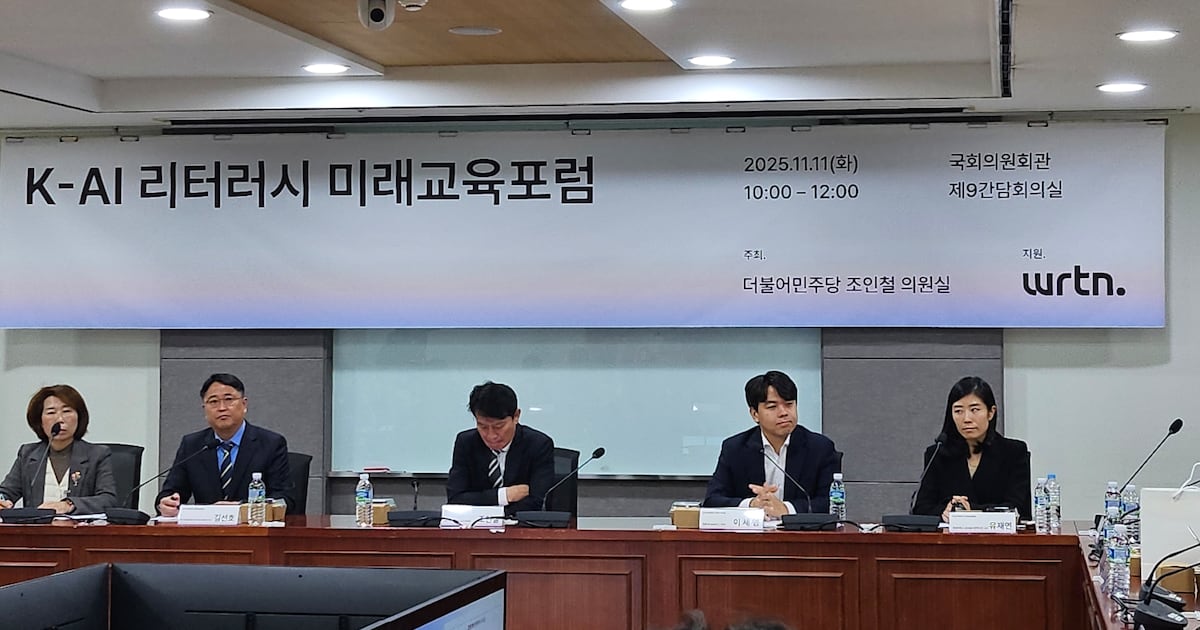
Korea’s Nationwide AI Literacy Drive
The AI Literacy Initiative
Korea is embarking on an ambitious initiative to enhance AI literacy across the nation, strategically aiming to prevent a widening productivity gap in various sectors. With the rapid evolution of artificial intelligence, it’s crucial for citizens and professionals to acquire essential skills and knowledge to thrive in an AI-driven economy.
Bridging the Productivity Gap
The primary goal of the AI literacy drive is to address the potential productivity gap that could arise as businesses increasingly integrate AI technologies. By equipping the workforce with necessary skills, Korea aims to foster innovation and maintain competitive advantage on a global scale.
Educational Frameworks and Partnerships
To implement this initiative effectively, Korea is establishing partnerships between educational institutions, tech companies, and government bodies. This collaborative approach will facilitate the development of comprehensive educational frameworks designed to provide resources and training focused on AI literacy.
Target Audience for AI Literacy Programs
Korea’s AI literacy program targets a diverse audience, including students, professionals, and older generations. By tailoring programs to different demographics, the initiative aims to ensure that everyone—from schoolchildren to seasoned workers—can benefit from AI education.
Utilizing Online Platforms and Workshops
Online platforms and interactive workshops will play a key role in the dissemination of knowledge. These digital resources will allow participants from various regions to engage in learning activities and discussions, thereby enhancing access to AI literacy across the country.
Long-term Vision for AI Integration
The long-term vision for this drive extends beyond immediate educational outcomes. By embedding AI literacy into the national ethos, Korea seeks to nurture a culture that embraces technological advancements, fostering an environment conducive to continuous innovation and growth.
The Future of Workforce Development
As Korea invests in AI literacy, it positions itself to develop a future-ready workforce capable of navigating the complexities of a rapidly changing job market. By prioritizing education in artificial intelligence, the nation aims to harness the full potential of technology, ensuring economic growth while empowering its citizens.
Korea’s Initiative for AI Literacy Enhancement
Understanding artificial intelligence is becoming crucial as it transforms various sectors in modern society. Korea is taking significant steps to enhance AI literacy nationwide.
The Importance of AI Literacy
As artificial intelligence continues to shape industries, the capability to understand and leverage AI technologies is vital for both individuals and businesses. AI literacy empowers employees to adapt to new tools and innovations, aligning workforce skills with evolving market demands.
Government Initiatives
The Korean government is launching comprehensive programs aimed at making AI education accessible to all, particularly focusing on areas where the digital divide may hinder growth. This initiative includes funding for educational institutions to develop AI curricula and training modules tailored to different age groups and skill levels.
Programs and Collaborations
To foster a culture of innovation, the government is collaborating with tech companies and educational bodies to create training workshops and seminars. These programs focus not only on the technical aspects of AI but also on ethical considerations and practical applications. This holistic approach ensures that participants are well-rounded in their understanding of AI.
Target Groups for AI Education
The initiative is designed to cater to diverse groups, including students, working professionals, and even seniors. By meeting the needs of different demographics, Korea aims to create a well-informed population that can effectively contribute to the AI-driven economy.
Anticipated Outcomes
Through enhanced AI literacy, Korea expects to see a significant reduction in the productivity gap that may emerge with rapid technological advancements. By equipping the workforce with essential skills, the country aims to foster a more competitive economy and ensure long-term sustainable growth.
Industry Impact and Future Prospects
The push for AI literacy has potential benefits that extend beyond individual empowerment. Businesses that invest in the AI education of their employees are likely to experience increased efficiency and innovation. As more workers become adept at using AI tools, industries will become more resilient, adapting more effectively to market changes.
