

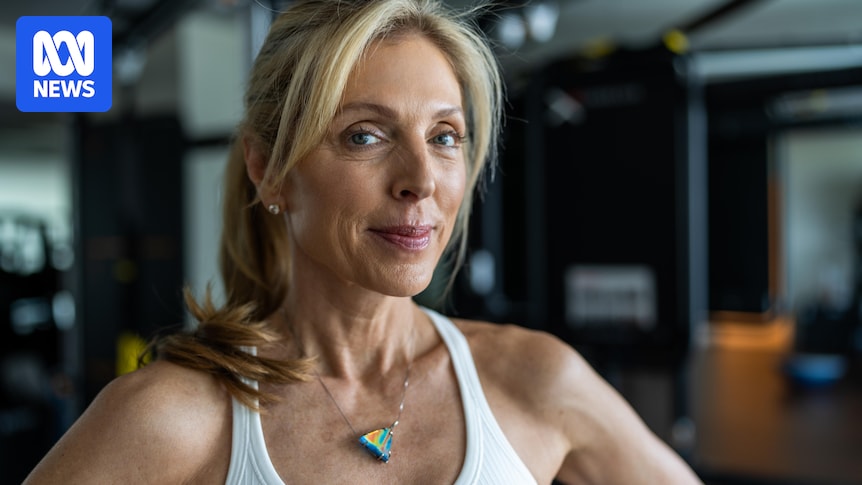
The call came unexpectedly. Marla Maples was enjoying a cruise off the coast of Alaska when she learned of an assassination attempt on her ex-husband, Donald Trump, who narrowly escaped the ordeal.
Shortly after that shocking news, Maples received another call from Robert F. Kennedy Jr. He urgently requested, “I need to get a message to the president.”
For many political observers, this was a surprising turn of events. Despite Maples and Kennedy’s long-standing friendship, with Kennedy affectionately referred to as “Bobby,” his candidacy as an independent in the 2024 presidential race put him at odds with Trump, creating a high-stakes scenario.
The tension between the two men was palpable: Trump had previously derided Kennedy as “the dumbest member” of his esteemed family, while Kennedy fired back, labeling Trump “unhinged” and “a terrible human being.” Yet, that single phone call initiated a political shift that few had anticipated, leading to a burgeoning movement that’s currently transforming America’s health landscape.
The Emergence of MAHA
Originally from Georgia, Marla Maples met Donald Trump in New York during the 1980s while working as a model and actress. They welcomed their daughter, Tiffany, in 1993, married shortly thereafter, and divorced in 1999. In subsequent years, Maples forged a different path as an actress, television host, and wellness advocate.
Her increasing involvement in the wellness community brought her closer to Kennedy, who has been a passionate advocate for environmental health initiatives. Together, they shared values about the importance of clean water and a healthy ecosystem.
When Kennedy officially announced his independent run for president, he found overwhelming support from the wellness community, drawing in health enthusiasts and advocates for organic living and “vaccine freedom.” Here, a new movement began to take shape—Make America Healthy Again (MAHA).
Understanding MAHA
Once Kennedy and Trump allied, the MAHA movement rapidly grew into a formidable political force, helping Kennedy to draw numerous supporters into the Republican fold. The MAHA ideology focuses on advocating for a “natural” lifestyle that prioritizes organic food, regenerative farming, and what they term “health freedom.”
Much of this movement thrives online, nurtured by influencers who felt isolated during the pandemic and found companionship in digital communities. One prominent figure in this space is Erika Nolan, a homesteader embracing sustainable living and advocating for self-sufficiency.
Addressing America’s Health Challenges
As Trump took office, he promptly appointed Kennedy as Secretary of Health, accelerating the influence of wellness-oriented policies in mainstream conversations. Landmark actions included states like Utah and Florida withdrawing fluoride from public drinking water and instituting warning labels on certain processed foods.
Proponents of the MAHA movement view these initiatives as essential reforms. However, critics argue that focusing on easily digestible issues like chemical additives distracts from more systemic health challenges in America, such as food deserts and the predominance of ultra-processed foods in diets.
The Vaccine Controversy in MAHA
While MAHA emphasizes clean food policies, it also intertwines with vaccine skepticism. This undercurrent has the potential to alarm public health professionals, especially with Kennedy’s long-standing controversies surrounding vaccinations. His recent actions, such as appointing skeptics to immunization advisory panels, have raised concerns about public health messaging amid rising disease outbreaks.
Critics argue that Kennedy’s approach can divert attention from pressing health crises, like the ongoing measles outbreaks exacerbated by declining vaccination rates. Instead of bolstering trust in vaccines, Kennedy’s messages often add to the confusion and mistrust surrounding public health efforts.
Looking Ahead
As MAHA gears up for its next chapter, the movement stands at a significant crossroads, buoyed by online support and newfound political relevance. The MAHA Commission, led by Kennedy, is set to roll out a national health roadmap focused on improving children’s health in America.
For Marla Maples and other advocates, the moment signifies an unveiling of truths that have long been obscured. “People are asking the questions,” Maples affirms, emphasizing a vision of a cleaner, more health-conscious America.
In her heart, Maples envisions a future where clean air and wholesome living are universal truths. “We want to make ourselves healthy again,” she asserts, representing the essence of the MAHA movement.
The Unexpected Alliance: Shaping America’s Health Policies
Background of the Movement
In a surprising turn of events, key figures from the wellness community have found themselves aligned with mainstream political figures, sparking a significant movement within American health policy. This alliance, which gained traction in recent months, emphasizes natural living, clean eating, and alternative health solutions. While many might view this partnership as unconventional, the synergy between these individuals has created a powerful force advocating for widespread change.
The Rise of MAHA
At the helm of this movement is the “Make America Healthy Again” (MAHA) initiative, which seeks to reshape how Americans view health and wellness. The movement promotes the idea of a cleaner, more organic lifestyle, urging followers to avoid chemical additives and embrace holistic living principles. This grassroots effort has garnered significant attention, especially among those disillusioned by conventional health narratives.
Key Figures: Marla Maples and Robert F. Kennedy Jr.
Central to this movement are notable figures such as Marla Maples, a prominent wellness advocate, and Robert F. Kennedy Jr., who has emerged as a leading voice in health policy. Their friendship has blossomed over shared values, centered around environmental health and intuitive living. This relationship has enabled them to leverage their platforms for a common cause, attracting a diverse audience eager for change.
The Connection to the Wellness Community
The MAHA movement taps into a growing dissatisfaction among the public regarding conventional health systems. Influencers and advocates within the wellness community have rallied behind this initiative, driving conversations on social media and fostering a sense of belonging among like-minded individuals. This burgeoning community champions organic products, sustainable practices, and personal health autonomy.
Challenging the Status Quo
While the MAHA movement is making strides in promoting healthy lifestyles, it also faces criticism. Many are concerned about its potential to distract from systemic issues in America’s health landscape, such as food deserts and access to nutritious options. Critics argue that the focus on clean eating and vaccine skepticism may overshadow critical discussions around public health infrastructure and social equity.
Vaccine Resistance: A Controversial Element
The advocacy for health also intertwines with a growing skepticism surrounding vaccines, further polarizing public opinion on these topics. This aspect of the MAHA movement has drawn sharp criticism but resonates deeply with those who feel marginalized by traditional healthcare narratives. The partnership between Kennedy and Maples signifies an effort to normalize these discussions and bring alternative perspectives into mainstream dialogue.
Looking Ahead: The Future of Health in America
As the MAHA movement gains momentum, its leaders are poised to unveil a strategic roadmap aimed at improving public health across the nation. This ambitious plan seeks to address health disparities and champion policies that promote environmental stewardship and personal wellness. Advocates believe the time has come for a genuine transformation in how Americans perceive health, urging everyone to prioritize a holistic approach to living well.
In a time of shifting narratives and evolving understandings of health, the MAHA movement stands as a testament to the power of unexpected alliances in bringing about meaningful change. As more voices join this call for a healthier America, the potential for a nationwide movement centered on wellness continues to grow.
