


Labor is set to present a significant revision of national environmental laws to parliament before Christmas. This development follows an expedited timeline agreed upon during the recent economic reform roundtable.
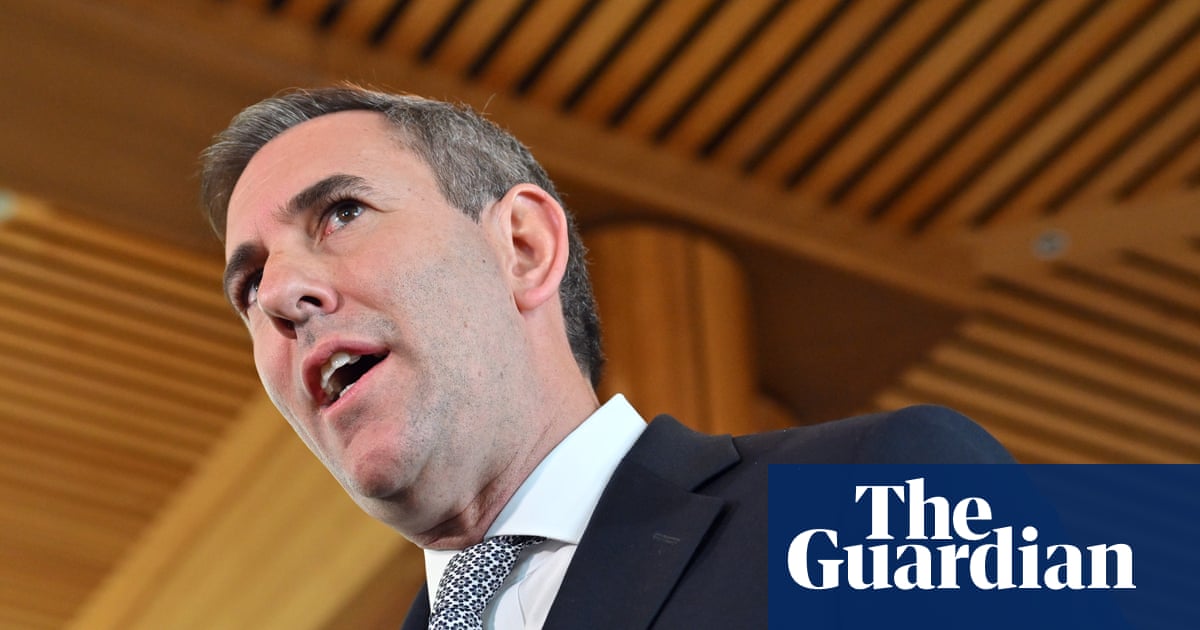
Treasurer Jim Chalmers announced that Environment Minister Murray Watt will accelerate the process, moving more swiftly than the initial 18-month framework. This marks just one of several announcements from the event, which also addressed plans for road user charges for electric vehicles and outlined a long-term vision for substantial tax reform.
Initially, Labor had reached an agreement with the Greens to modify the Environment Protection and Biodiversity Conservation Act, including the establishment of a national environment protection agency by the end of 2024. However, Prime Minister Anthony Albanese reassessed this plan due to concerns linked to electorally sensitive Western Australia.
Chalmers indicated that further information regarding the new timeline for environmental reforms will be available soon. The proposed changes are expected to enhance standards, expedite approvals, and improve transparency. Stakeholders are anticipating progress from Minister Watt by Christmas.
Almost five years have passed since Graeme Samuel delivered his review of the EPBC Act, which highlighted the failures of past governments that have led to the decline of Australia’s unique species. In response, Labor has committed to streamlining project approvals and reducing regulatory burdens, efforts that will also extend to housing developments through the National Construction Code.
Electric Vehicle Road User Charges
The transition to electric vehicles (EVs) is impacting the government’s budget due to decreasing fuel excise. Chalmers stated that implementing a new road user charging system for EV drivers is an idea that has reached its moment. State treasurers are scheduled to convene in early September to discuss this proposal after delays from the national cabinet.
Tax Reform Discussions
During the roundtable, participants explored tax reform options. There was consensus against conducting another extensive review of the tax system; instead, the Treasury will work on reform options with some external consultation. Proposed changes may aim to address intergenerational fairness, stimulate business investment, and simplify the tax system for all stakeholders.
Chalmers acknowledged the ongoing discussions but tempered expectations regarding immediate tax reform during this parliamentary term. He emphasized that while the tax system is imperfect, focusing on its flaws through an intergenerational lens is crucial.
Constructive Engagement with Business
Business leaders have praised the collaborative nature of the roundtable. Bran Black, CEO of the Business Council of Australia, expressed optimism about the government’s approach. He recognized the importance of simplifying the tax system and enhancing conditions for business investment as key takeaways from the discussions.
A Commitment to Consensus
Andrew McKellar, CEO of the Australian Chamber of Commerce and Industry, lauded the government’s consultative strategy, urging for an ambitious reform agenda that will bolster productivity and economic growth. While there were initial apprehensions, the atmosphere during the meetings fostered agreement and mutual understanding among stakeholders.
Sally McManus, secretary of the ACTU, pointed out that despite differing opinions within the cabinet, there remains a shared vision for smart regulation of AI to prevent job loss and plagiary in creative fields. The collective pursuit of safe and effective AI use highlights a proactive approach by the government in addressing emerging technologies.
Australia’s New Wave of Environmental and Economic Reforms
The Australian government is preparing to unveil significant updates to national environmental laws, promising to introduce new legislation to parliament by Christmas. This decision comes following a productive economic reform roundtable that emphasized the need for a more rapid approach than previously planned.
Treasurer Jim Chalmers informed the public that Environment Minister Murray Watt is set to accelerate the process of reform, which was initially slated for an 18-month timeline. This marks a crucial step towards enhancing Australia’s environmental standards amid ongoing concerns about the protection of unique species!
Impacts of the Legislation Changes
Originally, Labor had reached an agreement with the Greens to implement adjustments to the Environment Protection and Biodiversity Conservation Act, including establishing a national environment protection agency. However, this plan faced obstacles due to electoral sensitivities in Western Australia, leading to a revised strategy supported by various stakeholders.
Chalmers noted that more details regarding the revised timeline for reform would be released soon. The anticipated changes are aimed at streamlining approval processes, enhancing transparency, and ensuring stronger environmental protections—expecting to see progress from Minister Watt by the end of the year.
Electric Vehicle Road User Charges: A Necessary Shift
With the shift to electric vehicles negatively impacting the national budget through reduced fuel excise revenue, Chalmers argued that a new road user charging system for electric vehicle (EV) drivers is essential. This idea, deemed overdue, will be discussed among state treasurers as they work towards a consensus on the most effective implementation method.
The Future of Taxation in Australia
The economic reform dialogues have also brought forth discussions surrounding tax reform, with stakeholders agreeing that extensive external reviews are not beneficial. Instead, Treasury is set to develop options with some external input, focusing on fairness for all generations, incentivizing business investments, and simplifying current regulations—addressing notable imperfections in the current system.
Industry Responses and Continued Collaboration
The roundtable discussions concluded on a positive note, with business leaders expressing their satisfaction with the collaborative approach taken by the government. Various groups acknowledged the need for further reforms in taxation and regulatory processes to foster a favorable environment for investment and economic growth in Australia.
A Commitment to Productive Reforms
As the dialogues progress, leaders from different sectors emphasize the importance of maintaining a constructive dialogue with the government to continue identifying priorities that will enhance productivity and economic growth. The cooperative spirit observed during these discussions signifies a willingness to align interests and push for meaningful reforms moving forward.
Conclusion: A New Era of Governance
Australia stands on the brink of transformative changes in its environmental and economic policies. As decisions are made and new frameworks are introduced, the expectation is that both environmental sustainability and economic viability will be significantly improved for all Australians.
