


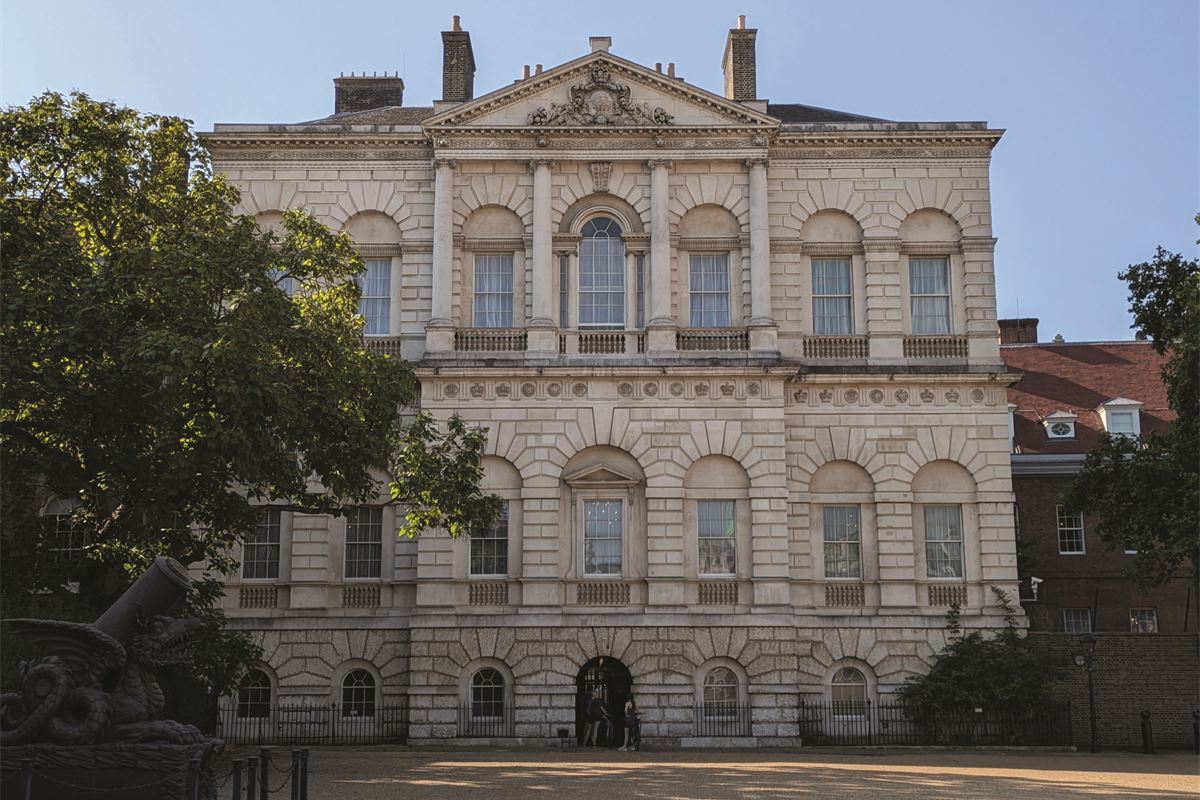
In my capacity as co-chair of the Treasury History Network, I recently delivered a lecture delving into the architectural evolution of the Treasury’s buildings over the past 350 years. This narrative about the Treasury, an essential arm of the state, deserves focus on its buildings for several compelling reasons.
Why Focus on the Treasury’s Buildings?
The Treasury, established as one of the oldest institutions in the UK, is notable for its lack of a single identifiable edifice. Throughout its history, the Treasury has functioned as a sort of nomad within Whitehall, shifting locations in response to historical events such as wars and fires, yet remaining relatively close to its origins until its recent expansion to the Darlington Economic Campus.
The Impact of Physical Spaces
Exploring the lesser-known history of the Treasury’s buildings illuminates how work environments influence institutional functions. In the civil service, personnel operate on diverse policies across different eras. The buildings we occupy thus serve as vital reference points for our collective organizational memory.
A Historical Perspective
Trails of the Treasury’s architectural history stretch back nearly a millennium. While the Anglo-Saxon period hints at early revenue collection, the establishment of “Henry the treasurer” in the 1086 Domesday Book marks a clearer historical reference following the Norman Conquest. Over successive centuries, the treasurer’s offices were located in New Palace Yard near Westminster Hall. Following a fire in the 16th century, King Henry VIII relocated to what evolved into Whitehall Palace.
The Development of Treasury Buildings
The Treasury was officially separated from the Exchequer in the 1660s, occupying its first rooms as a distinct entity in Whitehall Palace. However, a devastating fire in 1698 led to a temporary relocation into a former cockfighting arena. By the 1730s, architect William Kent was commissioned to design a dedicated Treasury building, completed in 1736, which remains today on the southeastern edge of Horse Guards Parade.
Transformation During and After WWII
World events, particularly wartime, have significantly influenced Treasury policies and its buildings. During the Blitz in October 1940, bombing damage forced most Treasury staff to relocate to Government Offices Great George Street (GOGGS). This site became a hive of activity during the war, housing various ministries, including the Air Ministry, which had access to some of the most illustrious rooms.
Modernization and Regional Outreach
Following years of disrepair, GOGGS underwent a comprehensive refurbishment between 2000 and 2004, morphing into the contemporary workspace known today as 1 Horse Guards Road. The Treasury has also expanded its regional presence, establishing a link with Norwich and announcing plans for a northern outpost in Darlington, which ultimately enriches policy innovation through diverse perspectives.
Conclusion: Lessons from Treasury’s Architectural Journey
As Winston Churchill once noted, “We shape our buildings, and afterwards our buildings shape us.” The Treasury’s architectural evolution reflects its strategic significance in government, the influence of physical surroundings on institutional culture, and the importance of a national footprint. The history of the Treasury’s buildings conveys lessons about adaptability and collaboration that resonate deeply in our modern landscape of governance.
Mario Pisani is a deputy director at HMT.
This structured article is optimized for SEO, featuring relevant keywords and engaging content while presenting the history of the Treasury’s buildings in a clear, organized manner.
The Evolution of the Treasury’s Architecture: A 350-Year Journey
As one of the oldest institutions in the United Kingdom, the Treasury has a rich historical narrative intertwined with its various buildings. Understanding this architectural evolution provides insight into the operational landscape of the government and the way it adapts to both functional and historical needs.
A Nomadic Institution: The Treasury’s Location Changes
Despite its long-standing presence, the Treasury has never been tied to a single location. Instead, it has moved frequently throughout its 350-year history, often due to unforeseen events such as wars and fires. While it has experienced quite a journey, its most recent expansion to the Darlington Economic Campus marks a significant milestone in its geographical footprint.
The Historical Timeline of Treasury Buildings
The Treasury’s lineage dates back almost a millennium, beginning with its early mention in the Domesday Book of 1086 under “Henry the treasurer.” Over the years, the Treasury transitioned from its initial location alongside Westminster Hall to becoming a separate entity within Whitehall Palace in the 1660s, marking the genesis of its unique architectural identity.
Significant Architectural Milestones
One noteworthy building is the Treasury Chambers, situated within Whitehall Palace, which suffered destruction in a massive fire in 1698. This led to a temporary relocation to a prior cockfighting venue, illustrating the Treasury’s persistent adaptability. Architect William Kent’s design, completed in 1736, was the first official Treasury building and remains a part of the historical landscape today.
World War II and the Changing Landscape
The impact of World War II on the Treasury was profound. The building was significantly damaged during the Blitz, necessitating a move to Government Offices Great George Street. This location became crucial as multiple government departments operated there during the war, highlighting the need for collaborative space amidst adversity.
Modern Developments and the Future
Fast forward to the early 21st century, the Treasury embarked on a modernization journey. The refurbishment of Government Offices Great George Street into 1 Horse Guards Road exemplifies how updated environments foster collaboration and transparency within the institution. Plans for the new Darlington Economic Campus signify an ongoing commitment to regional presence and outreach.
Lessons Learnt from Treasury Architecture
The historical journey of the Treasury’s buildings illustrates the importance of geography and physical space in shaping government operations. As the Treasury continues to evolve, its architectural choices not only reflect its past but also enhance its capacity to innovate and engage with diverse stakeholders across the nation.
