


Introduction to “Nomadland”
Directed by Chloé Zhao, “Nomadland” made a significant impact during the 2020 awards season, garnering four nominations at the 78th Golden Globe Awards, including wins for Best Motion Picture — Drama and Best Director. This achievement was historic as Zhao became the second woman and first East Asian woman to receive the Best Director accolade. In a tumultuous year characterized by uncertainty and loss, her film resonated deeply with audiences, reflecting the complexities of modern life.
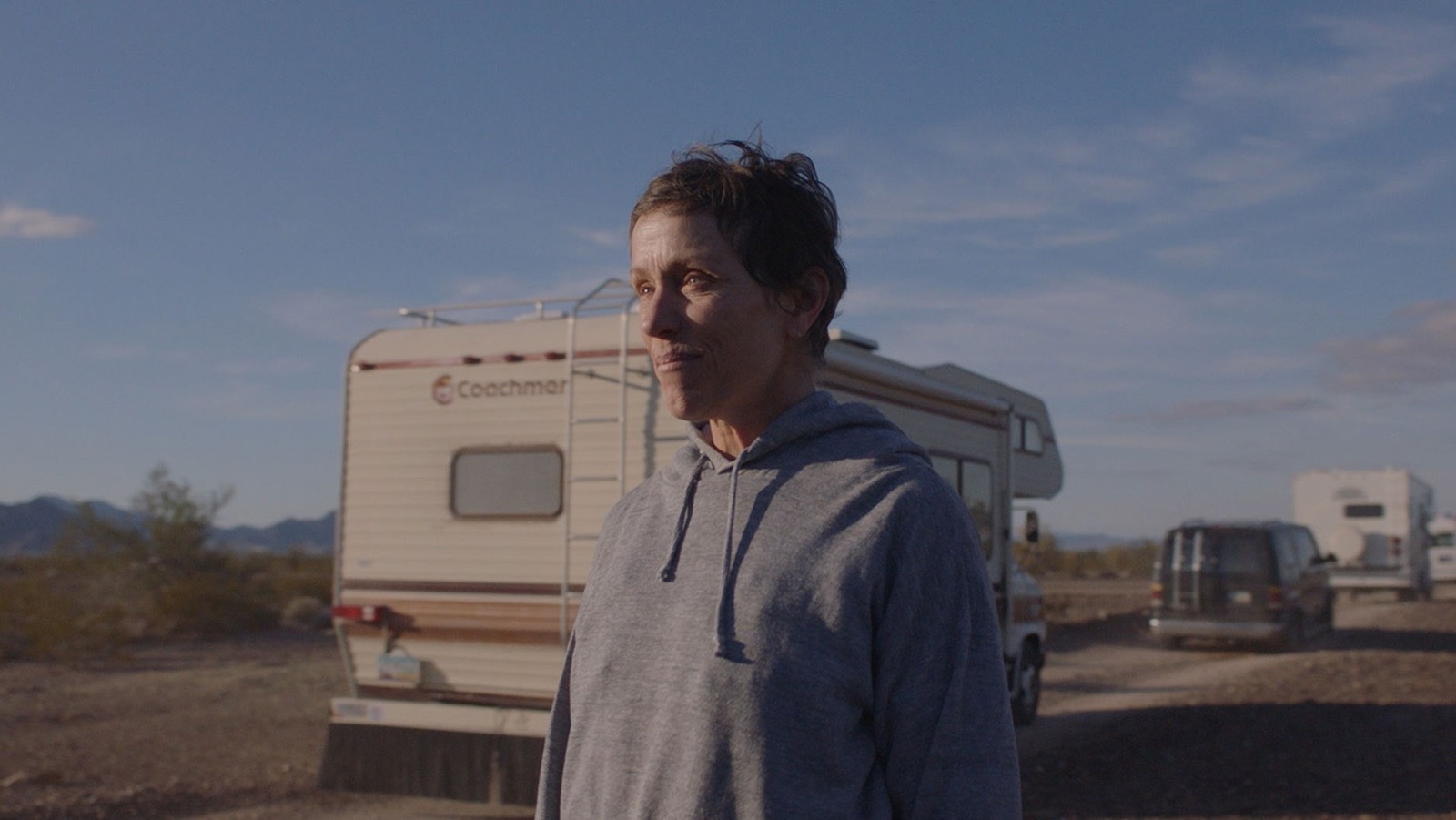
Frances McDormand as Fern
The story centers on Frances McDormand’s character, Fern, an older woman embarking on a solo journey across the United States. After losing her job at a gypsum plant in Nevada and facing the grief of her husband’s death, Fern sells her possessions and lives out of her van. Throughout her travels, she encounters fellow nomads who share their experiences, revealing a subculture often misunderstood by society. “Nomadland” sheds light on how individuals can redefine stability and purpose amid personal tragedy and societal shifts.
Source of Inspiration: Jessica Bruder’s Book
Chloé Zhao’s film draws inspiration from Jessica Bruder’s nonfiction book, “Nomadland: Surviving America in the Twenty-First Century,” published in 2017. This book is an expansion of Bruder’s earlier Harper’s Magazine piece titled “The End of Retirement.” It eloquently documents the struggles of older Americans who, unable to afford retirement, are forced to seek temporary employment. Through her research, Bruder lived in a secondhand van named “Halen,” immersing herself in the nomadic lifestyle to capture its essence accurately.
The Real Lives Behind the Characters
Several characters in “Nomadland” are portrayed by real individuals who met Bruder during her research. Linda May, Swankie, and Bob Wells portray themselves on screen, sharing their genuine life stories. Linda May, for instance, spent ten years on the road before filming started. She noted that the camaraderie she experienced with Zhao and the crew was more fulfilling than what she felt from her biological family, highlighting the strong bonds that form in the nomadic community.
The Nomadic Community
This nomadic lifestyle is characterized by a distinct sense of community. Members often work together, share resources, and support one another. Instead of transactions, they rely on bartering, fostering an environment where relationships take precedence over material possessions. As noted by Bob Wells, the modern nomadic culture differs from the trendy #vanlife movement; it is not focused on luxury or social media validation but rather on survival, solidarity, and genuine human connection.
Film’s Broader Impact
In recent discussions, Zhao emphasized that she aimed for “Nomadland” to transcend political statements, focusing instead on universal themes such as loss and the quest for belonging. The resultant film resonates strongly with viewers navigating personal hardships, especially during challenging times like the COVID-19 pandemic. The emotional journey of Fern reflects a relatable struggle that many face, allowing for an exploration of concepts like freedom and the essence of home.
A Journey of Healing and Renewal
Bruder articulated that Fern’s situation encapsulates a delicate balance of control amidst chaos. The freedom sought by those living on the road resonates with anyone feeling confined by their circumstances. “Nomadland” serves as a beautiful reminder that seeking a fresh start is always viable, and for many, hitting the open road might provide the emotional healing they need. Thus, the film not only tells a story of survival but also promotes empowerment and resilience in the face of adversity.
This HTML-formatted article is structured to ensure clarity and engagement, incorporates relevant keywords like “Nomadland,” “Chloé Zhao,” and “nomadic lifestyle,” and provides insights into the film’s themes, characters, and cultural significance.
The Captivating Journey in Nomadland
Highwayman Films
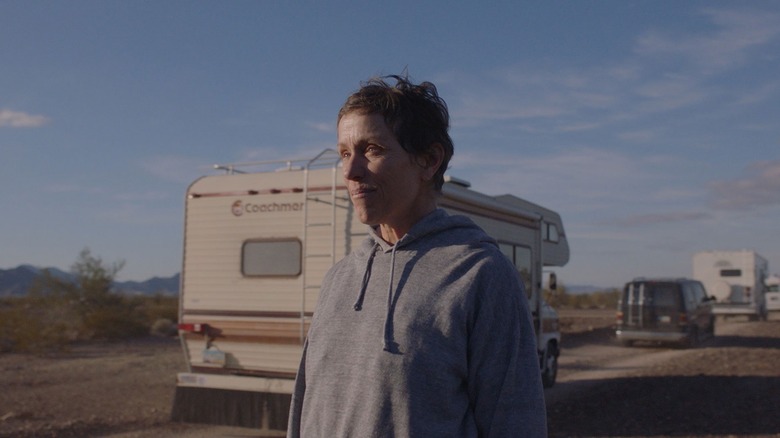
Directed by Chloé Zhao, “Nomadland” resonated profoundly during the tumultuous 2020 award season, capturing four nominations at the 78th Golden Globe Awards. The film garnered accolades for Best Motion Picture (Drama) and Best Director, marking a historic win for Zhao as only the second woman and the first East Asian woman to achieve this milestone. The film strikes a poignant chord during uncertain times, offering a reflective look at life through the eyes of its protagonist.
Starring Frances McDormand as Fern, “Nomadland” narrates the story of an older woman embarking on a solitary journey across the United States. Following the death of her husband and the closure of her workplace, Fern sells her possessions and lives a nomadic life in her van. The film provides a unique lens into the subculture of modern nomads, portraying a lifestyle often misunderstood by mainstream society. This narrative illuminates the impact of job loss, grief, and societal expectations on one’s sense of identity and belonging.
Inspiration from Real Life
Highwayman Films
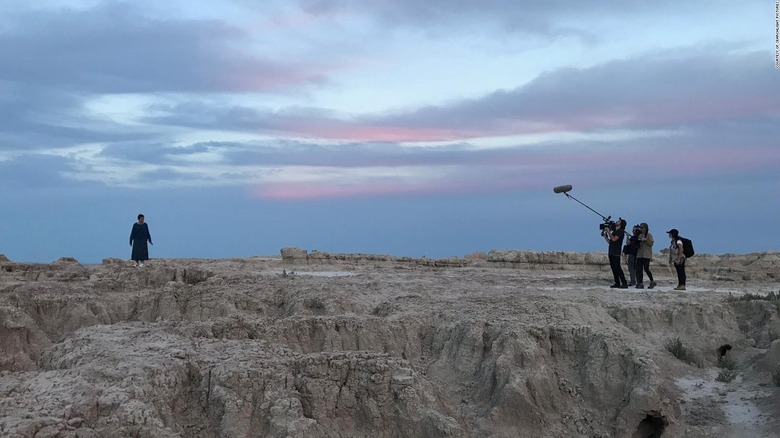
The screenplay of “Nomadland” draws inspiration from Jessica Bruder’s acclaimed 2017 nonfiction book, “Nomadland: Surviving America in the Twenty-First Century.” Bruder, originally presenting her findings in a 2014 Harper’s Magazine cover story, sheds light on the challenges faced by older Americans who, unable to retire, are forced to take on temporary, gig employment. Her research chronicles individuals who adopted a nomadic lifestyle post the Great Recession, providing a platform for their stories to emerge.
Bruder’s immersive approach led her to spend significant time living out of a secondhand van, giving her firsthand insight into the lives of these contemporary nomads. The essence of her findings unveils a world where people forge community bonds and find solace beyond material possessions. As the film adapts these real-life experiences, it captures both the struggles and joys of those navigating life on the road.
Cultural Representation within Nomadland
Highwayman Films
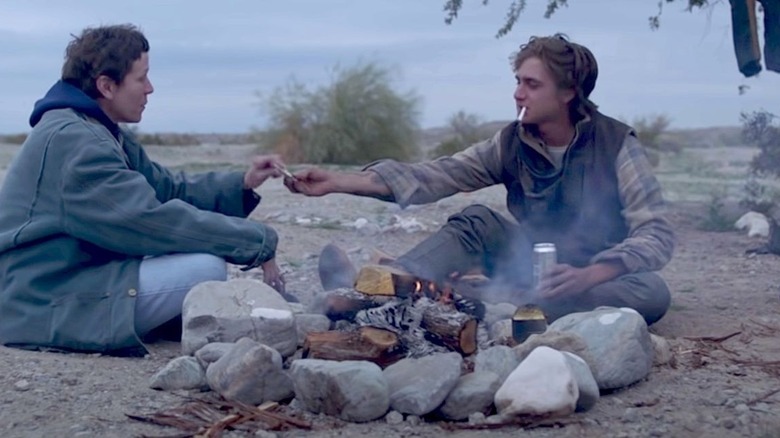
Several characters in “Nomadland” play portrayals of their real selves, introducing authenticity to the narrative. Among them are Linda May, Swankie, and Bob Wells, who share their lived experiences in front of the camera. Linda May, a long-time nomad herself, expressed her deep connection with the film crew, highlighting the community’s support that resembles familial ties. This representation of nomadic culture showcases an integrated family dynamic formed through shared experiences and mutual assistance.
Despite the growing popularity of the #vanlife trend among younger generations, characters and true nomads differentiate their lifestyle from performative portrayals. The modern nomadic community emphasizes survival and support without the allure of luxury. Many are facing the harsh realities of mounting student debt, job losses, and soaring housing costs, leading them to explore a life on the road.
Universal Themes and Impact
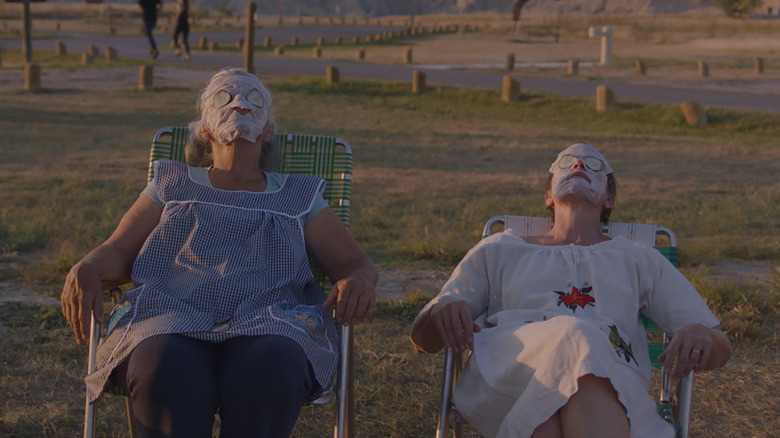
Highwayman Films
In her discussions about “Nomadland,” Chloé Zhao emphasized her intention to craft a narrative that transcends political boundaries. She aimed to focus on universal themes of loss, personal discovery, and the quest for home that resonate deeply with audiences. This exploration encourages viewers to reflect on their journeys, particularly in a world marked by turbulence and isolation.
Bruder noted the film’s ongoing relevance, attributing its emotional weight to the shared experiences of loss and longing many face, especially during trying times like the pandemic. The cinematography elicits a sense of wanderlust, inviting audiences to escape their confines and revel in the beauty of open roads and new beginnings. In essence, “Nomadland” serves as a timeless reminder that it’s never too late to seek renewal, illustrating that healing often arises from stepping away from the familiar.
This article is structured with clear headings and subsections, ensuring easy navigation and optimal SEO with relevant keywords integrated naturally throughout the text. Each paragraph addresses distinct aspects of the film, making the content engaging and informative.
