


Project Overview
The Repeat Wellness Club, designed by MEAN* (Middle East Architecture Network), creatively occupies a former commercial unit, showcasing a remarkable architectural transformation. This beautiful project adeptly integrates modern designs within the constraints of an existing structure that bears the weight of its history.
Challenges of the Existing Space
The existing interior presented several challenges due to years of modifications by previous tenants. This included uneven walls, residual structures, and fragmented layouts that required careful consideration during the design process. The architect’s goal was to create a unified space while preserving the integrity of the original building.
Preserving the Exterior
Due to local planning regulations, the exterior facade of the building had to remain untouched. This requirement directed the focus solely towards the interior rejuvenation, prompting an innovative approach to reimagine the available space while respecting the historic envelope.
Architectural Rehabilitation
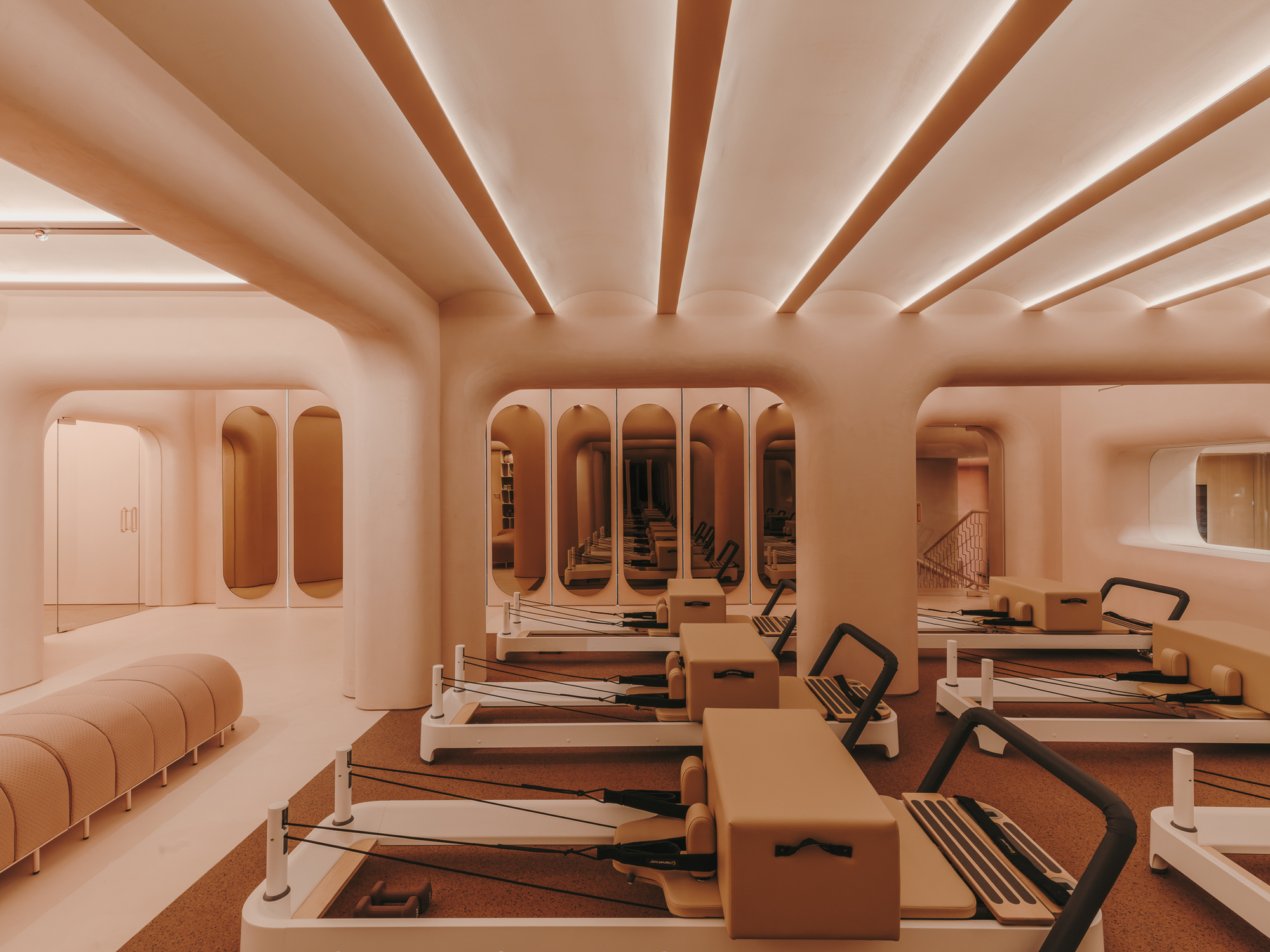
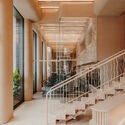
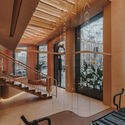
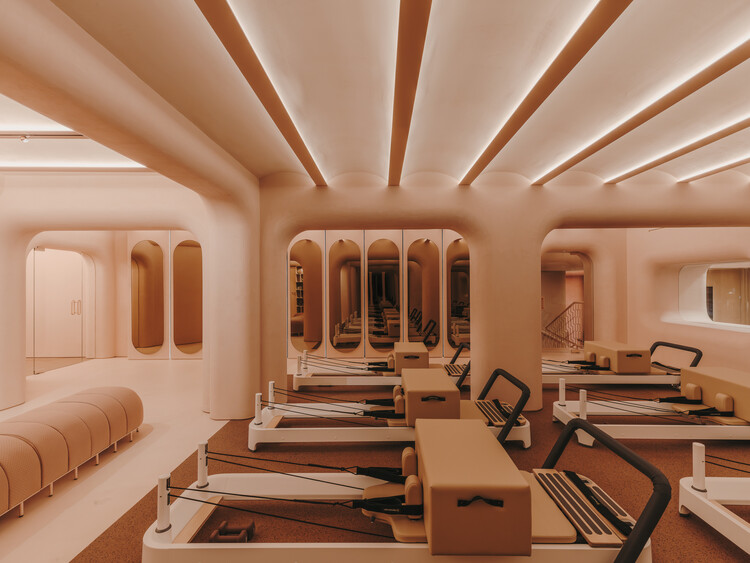
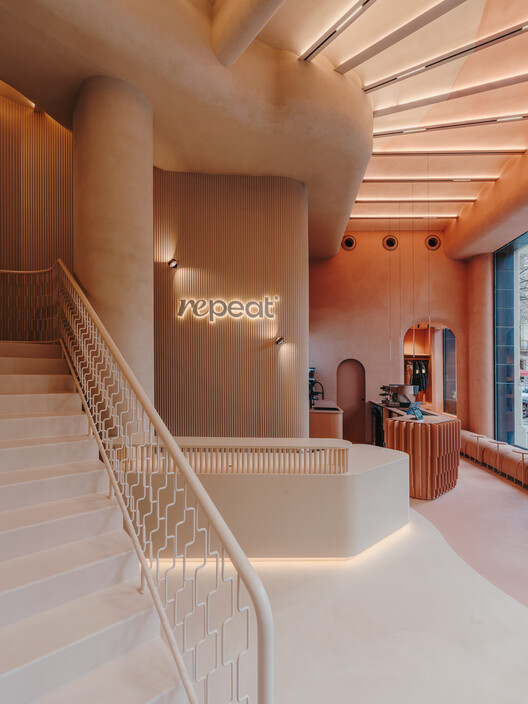
This project exemplifies architectural rehabilitation, transforming a deep and irregular interior into a cohesive, continuous spatial sequence. The design emphasizes openness and functionality, allowing natural light to flow through the space while promoting a sense of community.
Design Philosophy
MEAN* adopted a philosophy centered on enhancing well-being and fostering a tranquil environment. By prioritizing natural materials and sustainable practices, the Repeat Wellness Club aims to provide a harmonious setting for its users—one that encourages relaxation and rejuvenation.
Conclusion
The Repeat Wellness Club stands as a testament to thoughtful design that balances historical preservation with innovative architecture. Achieving functionality within a historical context, this project not only serves its community but also inspires future architectural endeavors in historical spaces.
The Architectural Transformation of the Repeat Wellness Club
Introduction
Located in a repurposed ground-floor commercial unit, the Repeat Wellness Club emerges as a significant architectural project. With a focus on enhancing the interior space while preserving the historic exterior, this renovation beautifully integrates contemporary design within a traditional framework.
Constrained Design Challenges
The design team faced unique challenges due to local planning regulations that dictated the exterior facade must remain intact. This constraint required them to concentrate their creative efforts solely within the building’s existing envelope. The result is a project that respects its historical context while embracing modern architectural strategies.
Creative Solutions within Limitations
Transforming the deep and irregular interior proved to be a complex task, yet the architects approached it as an opportunity for innovation. Various elements from previous tenants, such as uneven walls and fragmented layouts, were meticulously considered and integrated into the new design. This thoughtful approach not only enhanced functionality but also added character to the space.
The Design Process
The architects implemented a strategy aimed at creating a continuous spatial sequence throughout the interior. By reimagining the flow of space, they fostered an environment that inspires wellness and community engagement. This design decision highlights the importance of user experience in modern architectural practice.
Visual and Emotional Impact
The use of natural materials and light in the interior contributes significantly to the overall aesthetic. The carefully curated design fosters a serene and inviting atmosphere, encouraging visitors to pause and engage with their surroundings. This emotional connection is fundamental to the wellness concept of the club.
Conclusion
The Repeat Wellness Club stands as a testament to the possibilities of architectural rehabilitation. Through creative adaptation and respectful design, the project not only preserves historical relevance but also offers a space for modern wellness practices. It exemplifies how thoughtful architecture can bridge the past and the present, engaging communities for years to come.
