


In recent years, the workplace environment has undergone significant transformations, especially as employers are increasingly urging employees to return to the office. This shift has brought various challenges, chief among them being workplace dress codes.
The ongoing debate around dress codes has become a notable generational issue, particularly for younger employees who generally prefer a more relaxed attire. As organizations make the move back to in-person work, tensions surrounding dress expectations are rising.
Indeed, the gradual return to the office was anticipated by employers years ago. “As we navigate through 2025, there is a substantial movement to have everyone back at the office for at least three days a week, with some organizations advocating for five full days,” explained HR and employment attorney Zach Bombatch.
According to Bombatch, this transition can place financial strain on employees who have grown accustomed to the comfort of working from home in casual clothing. “Many may not have updated their wardrobe in the last five years and will face sudden expenses related to purchasing new professional attire,” he noted.
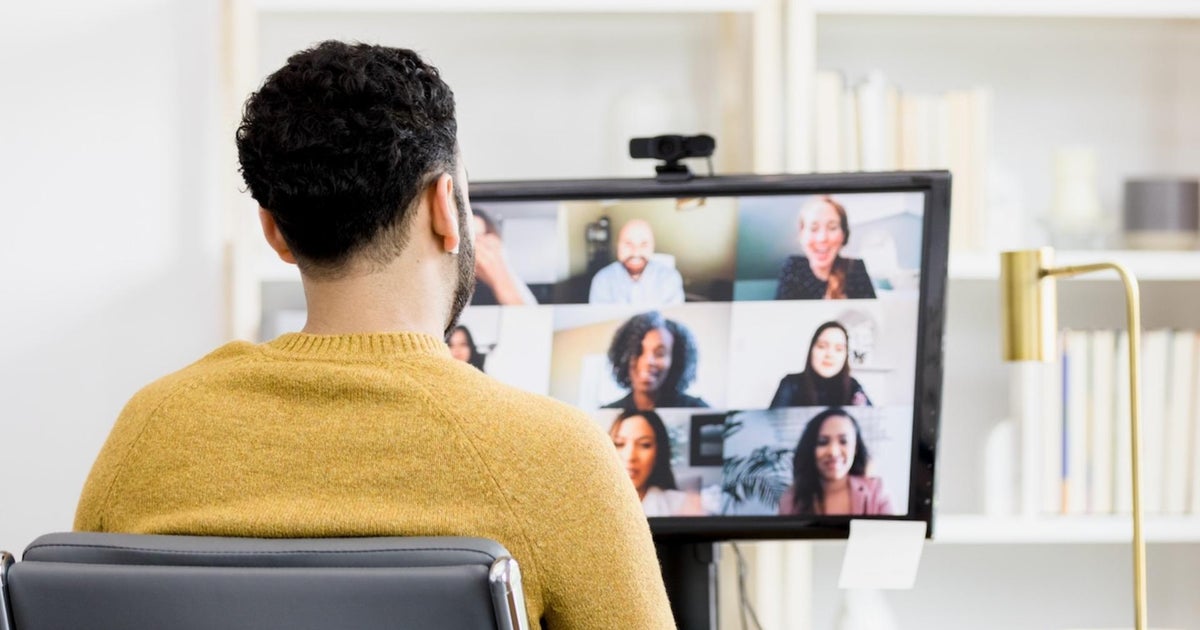
Moreover, Bombatch highlighted that the pressure for professional attire is not just limited to in-office workers; some employers are enforcing dress codes even for remote employees. He elaborated on the rationale behind this, stating, “The intention is to avoid giving clients or customers the impression that casual dress indicates a lack of seriousness toward work.”
Attire is not merely a matter of aesthetics; it carries a message of professionalism. “Expecting employees to dress neatly helps convey a professional image,” Bombatch emphasized. However, dress code policies can sometimes be specific, prohibiting items like sleeveless clothing or overly revealing attire. “These guidelines are designed more for decorum than targeting any individual,” he reassured.
While many dress codes for client-facing roles may allow for some flexibility, they often require employees to consult with their supervisors regarding acceptable attire. “As dress policies become more rigid, retaining talent can become increasingly difficult,” Bombatch cautioned, noting that younger generations are less inclined to adhere to traditional business professional standards.
Ultimately, dissatisfaction is brewing among employees who were initially hired under casual and flexible conditions but now face a cultural shift toward more formal dress requirements. For some, this abrupt change can be a pivotal factor in their career satisfaction, potentially impacting retention rates in various sectors.
The Evolving Landscape of Workplace Dress Codes
As companies increasingly require employees to return to the office, significant shifts are taking place in the workplace culture. A notable area affected by these changes is the dress code, which has emerged as a contentious issue, particularly among younger workers.
Generational Divide in Dress Codes
Many younger professionals express a strong preference for casual attire, a stark contrast to traditional corporate dress expectations. With businesses now encouraging employees to be in the office more frequently—three to five days a week—attire has become a critical point of contention.
The Financial Impact of Dress Code Changes
Human resources expert Zach Bombatch emphasizes the financial strain on employees obliged to adapt. “Those who have become accustomed to remote work often lack the wardrobe necessary for a formal office environment,” he explains. In some cases, workers face unexpected expenses in building a suitable professional wardrobe.
Remote Work and Dress Code Enforcement
Interestingly, the enforcement of dress codes is not limited to in-office attire. Some employers are insisting on a level of professionalism even for remote workers, driven by the notion that appearance reflects work ethic. Bombatch elaborates, stating, “Employers want to maintain a professional image, even when interactions occur virtually.”
Defining Decorum: Specific Dress Code Rules
Dress codes can be quite specific in their stipulations. For instance, some workplaces prohibit sleeveless clothing or overly revealing outfits to ensure a decorous environment. Such guidelines aim to foster a comfortable atmosphere for all employees, but they can also complicate the balance between professionalism and personal expression.
The Challenge of Retaining Talent
As organizations implement stricter dress code policies, Bombatch warns of potential consequences. “Rigid dress codes may hinder talent retention, especially among younger generations who favor casual work attire,” he states. This struggle might lead to dissatisfaction among employees who initially joined under more relaxed clothing expectations.
A Breaking Point for Employees
For some workers, the shift back to a more formal dress code can feel like a betrayal. Many were initially hired for positions that embraced casual environments; the sudden demand for business attire could become a deal-breaker. Employees who were promised flexibility now face pressure to conform, which may impact morale and job satisfaction.
Conclusion: A Crucial Conversation Ahead
The evolving dress code landscape reflects broader changes in workplace dynamics. As companies navigate the balance between professionalism and employee comfort, open discussions about these policies will be crucial for fostering a supportive work environment.
