

Remote Work Preferences in Czechia
Over the past few years, the working landscape in Czechia has dramatically shifted towards remote work. Recent studies reveal that two-thirds of Czech workers are reluctant to return to traditional office settings. This trend signals a significant change in employee preferences and expectations.
The Rise of Remote Work in Czechia
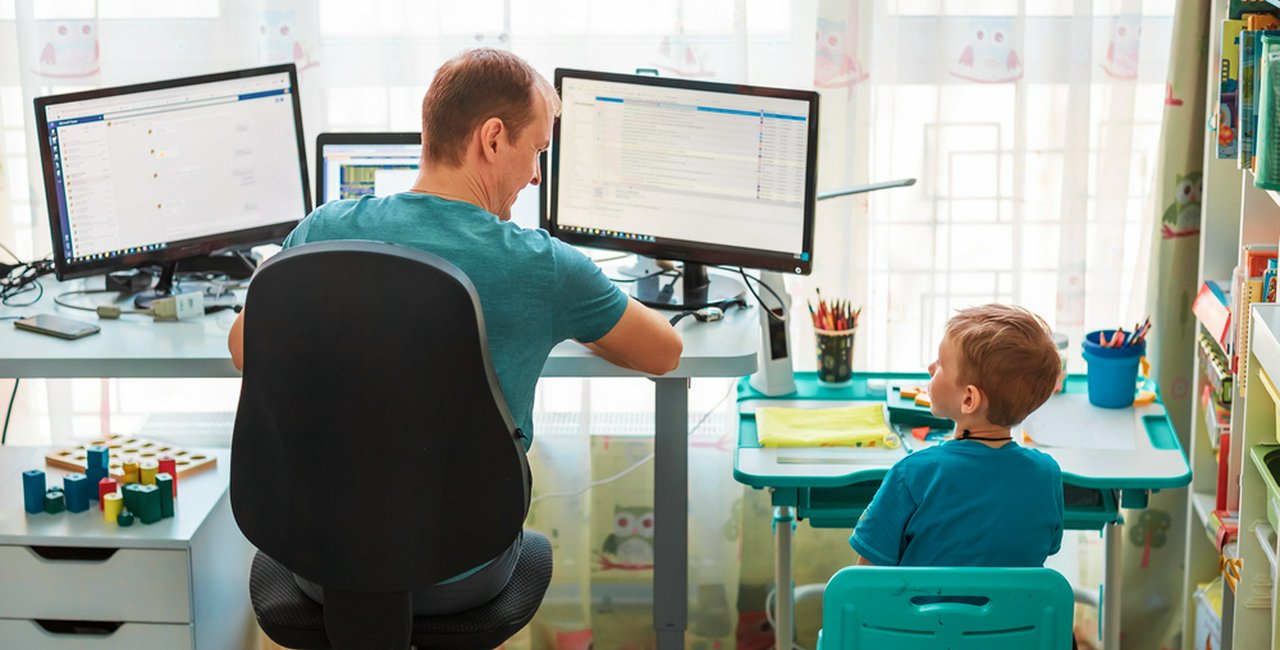
As companies adapted to a remote working model during the pandemic, many employees discovered the advantages it brought. Flexibility, reduced commuting time, and an improved work-life balance have contributed to this growing preference for remote work. Czech workers have embraced these changes, prompting a reevaluation of work norms.
Employee Satisfaction and Productivity
Data suggests that employees working from home report higher job satisfaction and productivity levels. Many feel more comfortable in their own environments, allowing them to concentrate better and produce higher-quality work. This newfound level of comfort is a crucial factor in the reluctance to return to the office.
The Challenges of Office Environments
While traditional office spaces offer collaboration, they can also introduce distractions and stressors. Factors such as open office layouts, long commutes, and the pressure to conform to a 9-to-5 schedule can hinder productivity and overall job satisfaction. Workers in Czechia are increasingly aware of these downsides, leading them to prefer remote work setups.
Company Culture and Connectivity
Despite the shift towards remote work, some organizations are concerned about maintaining company culture and employee connectivity. However, many remote workers report that effective digital communication tools have enabled them to stay connected with colleagues. This suggests that maintaining a strong organizational culture is still achievable in a remote work environment.
Global Workplace Trends
Czechia’s preference for remote work mirrors global trends in the workforce. Companies around the world are recognizing the necessity of flexibility in work arrangements. Increasingly, businesses are adopting hybrid models that blend both remote and in-office work, accommodating diverse employee needs and preferences.
Future of Work in Czechia
As the Czech workplace continues to evolve, it is likely that remote work will remain a significant component of the employment landscape. Organizations will need to adapt to these changes by rethinking workplace policies and fostering an environment that supports both remote and in-office employees. Failure to acknowledge these preferences may lead to talent loss as employees seek companies that align with their workstyle choices.
In conclusion, the strong desire among two-thirds of Czech workers to avoid a full return to the office underscores a broader shift in workplace dynamics. The emphasis on flexibility, productivity, and employee satisfaction will likely shape the future of work in Czechia for years to come.
Why Remote Work is Preferred by Workers in Czechia
Changing Landscape of the Workplace
The COVID-19 pandemic has dramatically transformed the work environment globally, including in Czechia. Many employees have become accustomed to the flexibility and comfort that remote work offers. As a result, a substantial number of workers are now resistant to the idea of returning to traditional office settings.
Benefits of Remote Work
Remote work provides numerous advantages, such as reduced commuting time, flexible schedule options, and a better work-life balance. These factors have been crucial in enhancing worker satisfaction among employees in Czechia, leading many to advocate for the continuation of remote work arrangements.
Worker Preferences and Productivity
Recent studies indicate that a significant percentage of Czechia’s workforce believes they are more productive while working from home. The ability to create a customized work environment, free from typical office distractions, allows many individuals to focus better on their tasks and complete them efficiently.
The Rise of Telecommuting Culture
The shift towards telecommuting has also led to changes in workplace culture. Employers are beginning to embrace hybrid models that combine remote and in-office work, aiming to attract and retain talent. This flexibility is appealing to many workers, contributing to a positive overall sentiment about telecommuting.
Challenges of Remote Work
Despite its many benefits, remote work isn’t without its challenges. Issues such as feelings of isolation, lack of team cohesion, and difficulties in communication can arise. Still, many employees believe these challenges can be mitigated through effective management strategies and the use of collaboration tools.
The Future of Work in Czechia
As Czechia continues to adapt to changing work dynamics, the future looks promising for remote work options. Many companies are reconsidering their policies and recognizing the importance of flexibility, which indicates a potential long-term shift in workplace norms across the country.
Conclusion: Embracing a New Work Era
In conclusion, the preference for remote work among a large portion of Czechia’s workforce highlights a significant shift in how we perceive employment and productivity. With the right balance of flexibility and support, both employees and employers can thrive in this emerging work environment.
