


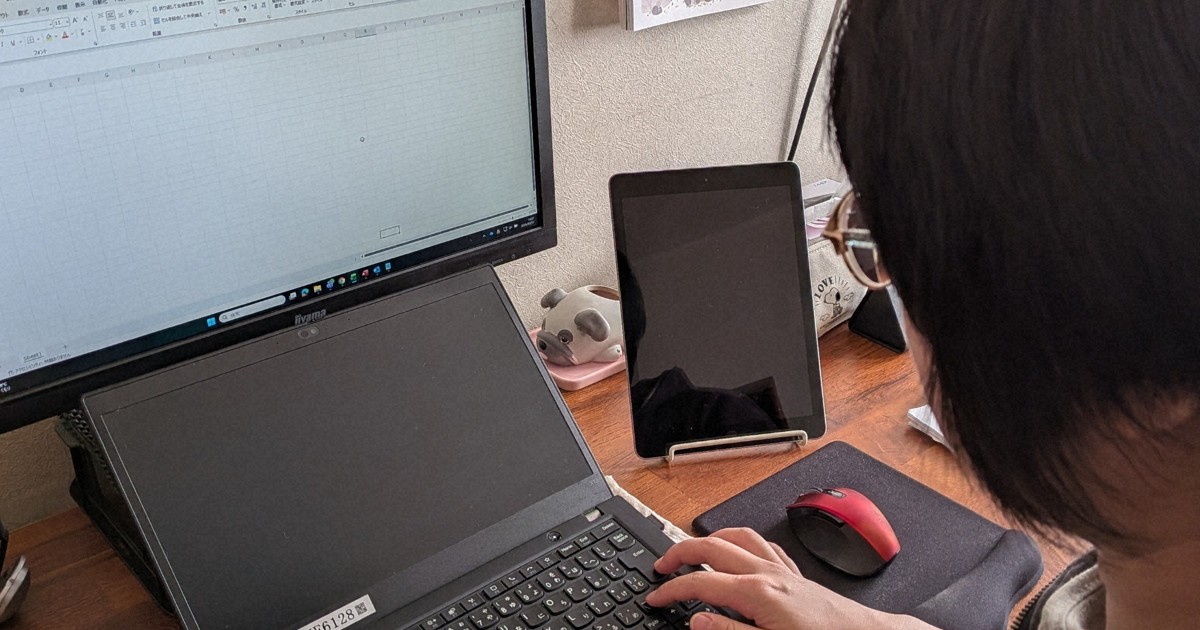
Every morning, remote employees at Recruit Office Support Co. (ROS), a Tokyo-based administrative outsourcing firm, begin their day by logging into their computers from home. At precisely 9:30 a.m., they participate in an online meeting where they assess their “today’s physical condition” from a selection of five options. After a one-hour lunch break, they work from home until 4:30 p.m.
Founded in 1990 as a special subsidiary of Recruit Holdings Co., ROS aims to enhance employment opportunities for individuals with disabilities. Notably, around 30% of its workforce comprises employees with developmental disabilities.
ROS began hiring remote workers in 2016 when it faced challenges in meeting the legally mandated employment rate for individuals with disabilities in Tokyo. This shift allowed the company to focus on recruiting talent from rural areas, promoting inclusion across the nation.
Initial recruitment efforts took place in Asahikawa, Hokkaido, where partnerships with local businesses enabled the hiring of a skilled workforce. The first five hires demonstrated remarkable PC proficiency and sound judgment, leading to a broader recruitment campaign following positive local government feedback on ROS’s initiatives.
By March 2025, ROS had expanded its remote workforce to 172 employees nationwide, including 51 with developmental disabilities. Initially aimed at individuals with physical disabilities who faced commuting challenges, the program discovered a significant number of qualified candidates with developmental disabilities eager for remote work opportunities.
Remote work offers distinct advantages for individuals with developmental disabilities. First, it eliminates the stress of commuting, reducing mental fatigue caused by environmental stimuli such as noise and crowds. Second, it provides employees the flexibility to tailor their work environments to enhance comfort and productivity.
Miwa Minato, a long-term member of ROS, emphasizes that with thoughtful adjustments, many individuals can excel in their roles. Simple modifications, like providing clear written instructions and allowing regular breaks, can significantly improve workplace experiences for employees with developmental disabilities.
Insights gained from hiring in rural areas reveal two critical points: the prevalence of underutilization of skilled individuals who are often confined to basic tasks, and the societal stigma surrounding developmental disabilities. For example, a 35-year-old female employee with autism spectrum disorder (ASD) shared how remote work has provided her the structure she needed to thrive, recounting her journey through multiple jobs before finding success at ROS.
This employee’s story encapsulates the essence of ROS’s mission: create opportunities that empower individuals with disabilities to showcase their talents. Reflecting on her experiences, she expressed gratitude for a supportive work environment that promotes possibility over limitation.
(Original article by Haruka Ito, Cultural News Department)
Empowering Individuals with Disabilities through Remote Work
Starting the Day: A New Remote Culture
Every day, employees from a Tokyo-based administrative outsourcing organization kick off their work at 9:30 a.m. by logging into their computers. They participate in an online meeting, where they assess their physical condition and then embark on a workday structured around remote operations until the evening.
A Pioneer in Remote Employment
Aiming to foster inclusivity in the workforce, this innovative company has positioned itself as a leader in employing individuals with disabilities from all over Japan. Approximately 30% of these employees have developmental disabilities, showcasing the company’s commitment to diversity and empowerment in the workplace.
The Shift Towards Remote Hiring
In 2016, the organization expanded its vision to include remote hiring, particularly targeting individuals in rural areas who found it challenging to meet employment quotas in urban settings. This shift opened doors for those traditionally overlooked in the job market.
Building Connections in Rural Areas
The initiative began in Asahikawa, Hokkaido, leading to the successful recruitment of high-caliber individuals equipped with essential technical skills. Local government officials recognized the potential benefits of remote work for marginalized groups, advocating for broader regional outreach.
Adapting Work Environments for Success
As of March 2025, the company employed 172 remote workers, with 51 identifying as having developmental disabilities. The remote work model has proven advantageous, eliminating the stress associated with commuting and allowing employees to curate their work environments tailored to their individual needs.
Real Stories: Highlighting Success
One inspirational employee from Hokkaido, who has autism spectrum disorder, found her footing in remote work after facing challenges in traditional job settings. The structured and supportive environment of her current role has fostered her confidence and increased her productivity, demonstrating the effectiveness of inclusive workplace practices.
Conclusion: A Model for Inclusive Employment
This pioneering approach to remote work not only empowers individuals with disabilities but also challenges societal stigmas. By emphasizing flexibility and support, the company illustrates that with the right considerations, individuals can thrive and contribute meaningfully in the workforce.
