


September 5, 2025
The Rise of Remote Work
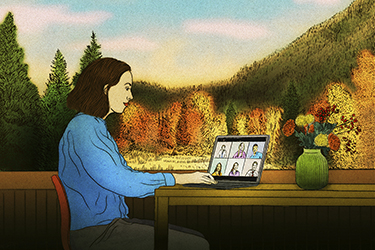
The shift towards remote jobs became significant during the COVID-19 pandemic in 2020. Many individuals began opting out of traditional office settings in favor of working from their homes, cafes, and even temporary locations like hotels. This transition has reshaped the job market, making remote work opportunities more prevalent yet also more competitive.
The Challenge of Finding Remote Jobs
As the demand for remote positions increased, so did the number of applicants. Many jobs marketed as “remote” now receive hundreds of applications. This surge in interest can make securing a remote job seem daunting for potential candidates. Understanding how to navigate this competitive landscape is crucial for success.
Insights from Remote Workers
Kate Smith, a former office worker, shares her journey from feeling overwhelmed by traditional job pressures to embracing remote work. “I was burned out, suffering from daily migraines, and thought, ‘I can’t do this for the rest of my life,’” she reflects. Her story highlights the transformative power of remote work for those seeking a better work-life balance.
Tips for Finding Remote Work
Current remote workers have offered valuable tips to help job seekers stand out in a crowded market. Here are some essential strategies:
- Customize Your Resume: Tailor your resume for each position, emphasizing skills relevant to remote work, such as communication and time management.
- Build a Strong Online Presence: Use platforms like LinkedIn to showcase your expertise and connect with potential employers.
- Network Actively: Join remote work groups and forums to meet like-minded professionals and learn about job openings.
Understanding Remote Work Culture
Before applying for a remote position, it’s critical to understand the company’s culture. Researching how the organization supports remote employees can give insight into whether it’s a good fit for you. Look for companies that emphasize flexibility, communication, and employee wellbeing.
Leveraging Technology
In today’s digital age, technology plays a vital role in remote work. Familiarizing yourself with tools like Zoom, Slack, and project management software can enhance your appeal as a candidate. Demonstrating your tech-savviness in applications and interviews can set you apart from others.
The Future of Remote Work
As more companies adopt hybrid models, the future of remote work looks promising. However, competition for these positions will likely remain fierce. Job seekers must combine strategy, persistence, and adaptability to thrive in this evolving landscape.
September 5, 2025
The Challenges of Securing Remote Employment
The shift from traditional office environments to remote work gained significant momentum during the COVID-19 pandemic in 2020. As the demand for flexibility increased, many professionals began seeking remote job opportunities. However, the competition for these positions has heightened, making it challenging for job seekers. Here are some valuable insights and tips from those who successfully navigated the remote job market.
Why Remote Work is the New Norm
Remote work offers numerous advantages, such as better work-life balance, flexible hours, and the elimination of lengthy commutes. Many individuals found themselves thriving in a home-office setup, allowing them to manage personal commitments while maintaining professional responsibilities. This newfound freedom has led to a surge in applications for remote positions.
Understanding Job Market Competition
Despite the appealing nature of remote jobs, they often attract hundreds, if not thousands, of applicants. Companies frequently receive a large volume of submissions for a single opening, making it critical for candidates to stand out. Understanding the landscape of remote job hiring can be pivotal in crafting a successful application strategy.
Networking: Your Key to Success
Networking remains one of the most effective ways to land a remote job. Engaging with professionals in your desired industry through platforms like LinkedIn or industry-specific forums can open doors to opportunities that are not widely advertised. Building genuine connections can provide insider information on job openings and company culture, giving job seekers an edge.
Perfecting Your Resume for Remote Work
When applying for remote roles, it is essential to tailor your resume to highlight relevant skills and experience. Focus on showcasing your ability to work independently, manage time effectively, and communicate virtually. Including examples of past remote work or projects can further demonstrate your capability to excel in a remote environment.
Preparing for Virtual Interviews
As interviews shift to virtual platforms, candidates need to prepare accordingly. Test your technology beforehand, ensure you have a quiet and professional background, and practice common interview questions. Showing enthusiasm for remote work and articulating how you can contribute to the company’s success from a distance can leave a positive impression.
Continuous Learning and Skill Development
The remote job landscape is constantly evolving, making continuous learning essential for staying competitive. Consider enrolling in online courses or certifications that enhance your skills related to your desired field. Demonstrating a commitment to personal development not only strengthens your resume but also positions you as a proactive candidate.
Your Future Awaits
As remote job openings continue to grow, equipping yourself with the right strategies and skills can dramatically increase your chances of success. By understanding the job market, leveraging networking, tailoring your application, and embracing ongoing education, you can navigate the remote job landscape confidently. Your dream remote position may be just a few steps away!
