

Linette Garcia | Staff Writer
The Shift to Remote Work in Higher Education
Since the onset of the COVID-19 pandemic, remote work has evolved from a temporary solution to a sustainable lifestyle shift. In higher education, this transition has gained remarkable traction, providing substantial benefits to online students like myself—especially those hesitant to commute in Miami’s hectic traffic.
Flexibility and Opportunities at Home
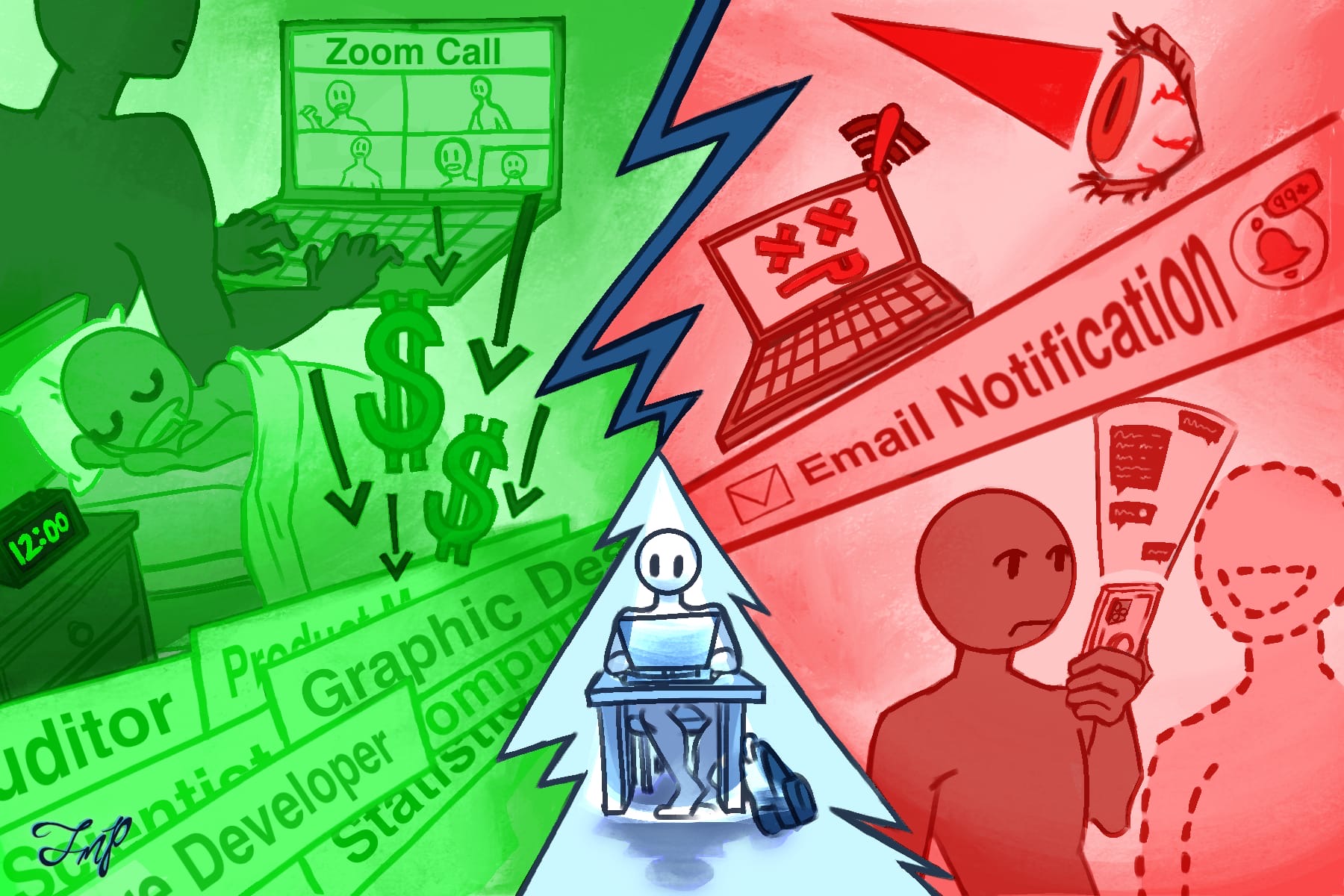
As a busy student balancing classes and personal commitments, the ability to work from home has dramatically changed my routine. While some critics argue that remote work limits social interactions, I’ve experienced firsthand the flexibility and career-oriented prospects it affords. For instance, my writing roles with multiple publications—including PantherNOW and a student-run fashion magazine—would likely not have been available if I had to adhere to a traditional office setting.
Projecting the Future of Remote Work
According to Forbes, by 2025, it’s anticipated that over 32.6 million Americans will have embraced remote work. Furthermore, around 16% of companies are transitioning their operations online, signaling a shift in the work paradigm governed by advancing technologies.
The Appeal of Remote Work for Students
If remote work were unnecessary, why does the desire for a balanced digital work-life persist? Personally, I dislike the idea of rushing from a job to class at FIU in Miami’s notorious traffic. With remote work, I can seamlessly transition from a Zoom meeting to a productive study session—no stressful commute involved.
Expanding Career Horizons
Remote job opportunities have also bridged gaps for those seeking positions that, previously, felt unattainable. Even though I reside in Miami, I can pursue internships that align closely with my career aspirations without the financial burden of relocating. This accessibility opens paths to companies nationwide, or even internationally, enriching the workforce with diverse talent.
Fostering Independence and Accountability
Another significant advantage of remote work is the development of independence. Evidence suggests that working autonomously enhances time management, effective communication, and personal accountability, with minimal negative impacts on social and mental well-being. Crafting a flexible schedule has allowed me to work efficiently while accommodating my personal needs from the comfort of home.
The Future of Remote Work
Although there’s ongoing discussion about businesses mandating a return to physical offices—exemplified by President Trump’s recent RTO executive order—remote work remains a stable option poised for longevity. While there are challenges associated with remote work, such as home distractions and a potential lack of cultural awareness, the advantages far outweigh these downsides. From inclusivity for parents and individuals with disabilities to environmental considerations, remote work appears to offer a superior model.
Conclusion: Redefining Success in the Remote Era
Ultimately, remote work embodies balance, retention, and access, enabling us to define success on our terms—whether at home, in a library, at a café, or on campus. For many students, this flexible work model is not merely desirable but essential.
Read the other side of the column here on PantherNOW.
DISCLAIMER:
The opinions presented on this page do not represent the views of the PantherNOW Editorial Board. These views are separate from editorials and reflect the perspectives of contributing writers and/or university community members.
Remote Work: The New Norm for Students
By Linette Garcia | Staff Writer
The Shift to Remote Work
The COVID-19 pandemic has catalyzed a significant transformation in the workplace, leading to a permanent shift towards remote work. Particularly in higher education, the benefits of working from home have resonated with many students, especially those who navigate busy urban landscapes like Miami.
Flexibility and Career Opportunities
For students juggling classes and personal responsibilities, remote work offers unparalleled flexibility. While some critics argue that working from home limits social interaction, it provides greater career-oriented opportunities that would otherwise be inaccessible. For instance, I have been able to write for various publications, enriching my experience and career prospects through remote engagements.
The Rise of Remote Work
Forecasts suggest that by 2025, over 32.6 million Americans will work remotely. With around 16% of companies transitioning their physical offices online, the trend reflects an evolving technological landscape that prioritizes convenience and adaptability over traditional work settings.
The Advantages of Remote Work
The allure of remote work lies in the avoidance of stressful commutes. In bustling cities like Miami, traffic and parking can create significant hurdles for students. Remote work allows for a seamless transition from professional responsibilities to academic pursuits without the added anxiety of travel.
Access to a Wider Range of Opportunities
Additionally, remote work opens doors to internships and roles beyond local limitations. While based in Miami, I have access to internships across the nation, aligning with my career goals, without the financial burden of relocation. This accessibility broadens the scope of potential opportunities significantly for students everywhere.
Fostering Independence and Productivity
Working remotely has also instilled a sense of independence among students, teaching essential skills like time management, effective communication, and accountability. Crafting a personalized schedule has enabled me to work more productively in a setting that meets my needs, often resulting in better performance in both work and academic settings.
The Continued Relevance of Remote Work
Despite the potential push from various businesses to return to physical offices, the remote work model is likely to endure. The perks greatly outbalance any downsides, such as distractions at home. From inclusivity for parents and individuals with disabilities to environmental benefits, remote work remains a viable and preferable option for many.
Conclusion: A New Work-Life Balance
Ultimately, remote work offers a dynamic balance that empowers students to redefine success according to their preferences. Whether studying at home, in a café, or on campus, this model has become not just a benefit but a necessity in navigating today’s educational and professional landscapes.
For alternatives to this perspective, be sure to explore other insights available at PantherNOW.
DISCLAIMER: The opinions expressed are solely those of the author and do not necessarily reflect the views of the PantherNOW Editorial Board.
