


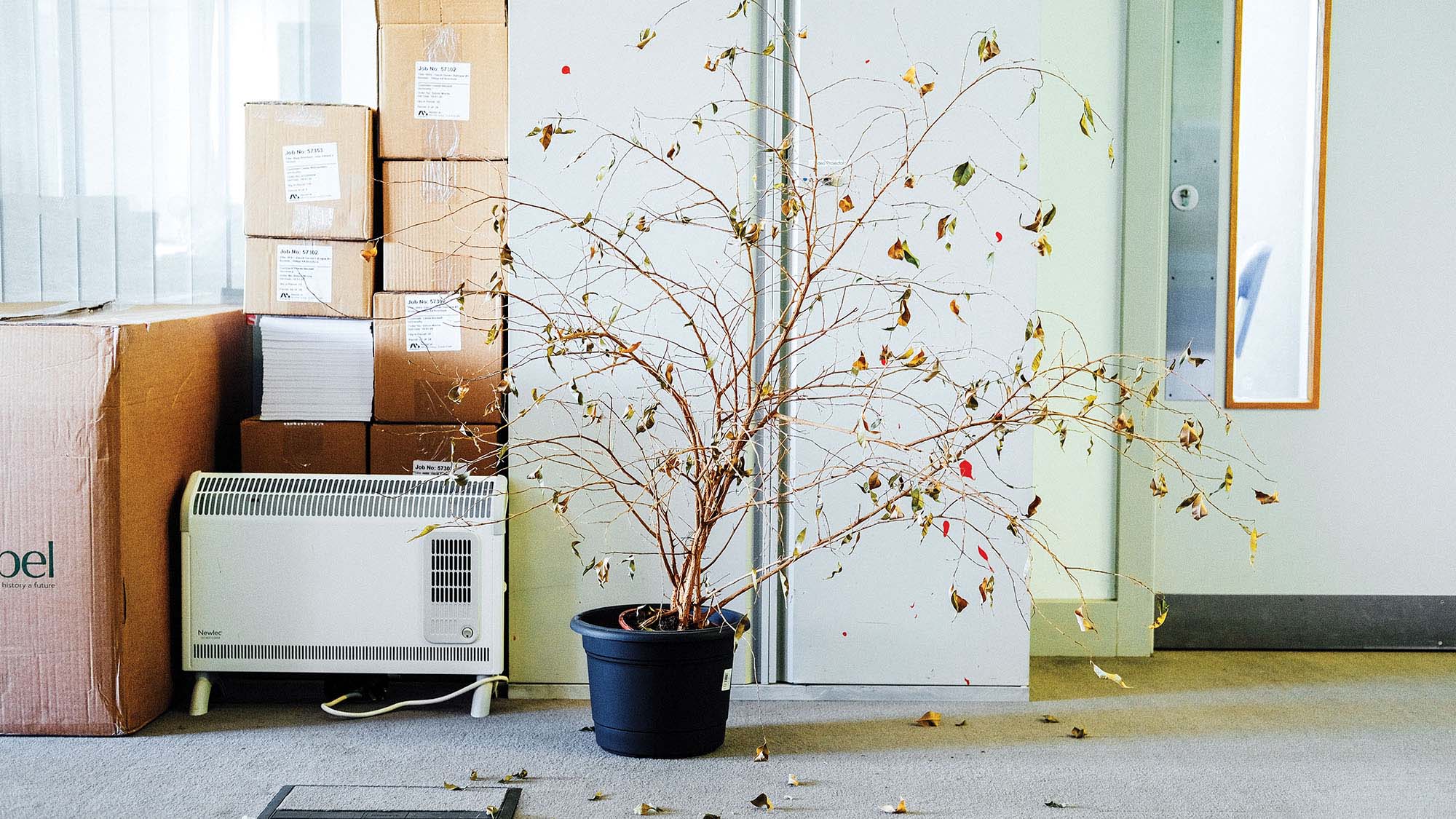
Evidence suggests that it’s hurting collaboration, exacerbating social isolation, and weakening culture. Here’s how to fix it.
by Peter Cappelli and Ranya Nehmeh
The Shift Towards In-Person Work
Over the past year, organizations of all sizes have begun mandating a full return to the office. This shift is largely driven by concerns that remote and hybrid work models may lead to decreased employee performance. As businesses strive to enhance productivity, many fear they are losing some of the collaborative spirit that thrives in office environments.
Challenges of Office Reoccupancy
However, not all companies can easily implement this in-office mandate. Factors such as limited office space, geographical dispersion of employees, and fear of losing valuable talent present significant challenges. Some businesses either cannot afford to expand their office footprint or prefer to avoid the associated costs altogether, making a full return to the office impractical for many.
Understanding Employee Preferences
As organizations navigate these complexities, it’s essential to understand that a growing number of employees prefer remote or hybrid work arrangements. This preference is often rooted in the increased flexibility and work-life balance that remote work can provide. Employers must consider these preferences to avoid discontent and potential turnover among their staff.
Impact on Collaboration and Culture
Research indicates that a rigid return-to-office policy can hurt collaboration and strengthen social isolation among employees. The camaraderie that develops in shared workspaces can be difficult to replicate through virtual interactions, leading to a weakening of company culture and employee engagement.
Strategies for Effective Remote Work
For companies that wish to maintain remote or hybrid work structures, implementing effective strategies is crucial. This includes providing users with robust online collaboration tools, fostering open lines of communication, and encouraging regular check-ins. By creating an environment where employees feel connected and supported, organizations can enhance productivity, even from a distance.
Fostering a Positive Remote Work Culture
Building a positive remote work culture requires intentional effort. Businesses can promote team bonding through virtual team-building activities and recognition programs. Regular feedback sessions and one-on-one meetings can ensure employees feel valued and engaged, regardless of their physical location.
The Future of Work: Embracing Flexibility
As organizations move forward, embracing flexibility in their work arrangements can be a valuable differentiator in attracting and retaining top talent. The landscape of work is changing, and adapting to these shifts is essential for long-term success. By balancing the benefits of remote work with the need for collaboration, companies can create an environment that supports both employee satisfaction and organizational performance.
Enhancing Collaboration and Culture in Remote Work Environments
The Shift Towards Remote Work
Over the past year, many organizations have embraced remote work, driven by the flexibility it offers employees and technological advancements. However, this shift has raised concerns regarding worker performance and engagement.
Challenges of Remote Work
While remote work provides numerous benefits, it can also lead to collaboration challenges. Teams may experience increased social isolation, which can ultimately weaken workplace culture. Companies are facing a paradox: how to maintain employee productivity while fostering a sense of community.
The Importance of Collaboration
Collaboration is essential for driving innovation and ensuring that employees feel connected to their teams. In a remote setting, the lack of face-to-face interactions can hinder effective communication and team bonding. As a result, organizations must seek ways to promote collaboration among dispersed teams.
Strategies to Enhance Remote Collaboration
Organizations looking to enhance collaboration should consider implementing regular virtual team-building exercises. These activities can help break down barriers and encourage interpersonal relationships among team members. Additionally, using collaboration tools and technologies effectively can streamline communication and project management.
Addressing Social Isolation
To combat social isolation, companies should prioritize mental well-being initiatives. Creating forums for employees to share experiences and challenges can build a more inclusive and supportive work culture. Encouraging informal interactions, such as virtual coffee breaks, can also foster interpersonal connections.
Maintaining a Strong Company Culture
Strengthening company culture in a remote environment requires intentional efforts. Establishing core values that promote inclusivity and collaboration can guide employee behavior. Additionally, leaders should regularly communicate the importance of company culture and recognize employees who embody these values.
Conclusion: The Future of Work
The future of work is evolving, and organizations must adapt to maintain productivity and employee satisfaction. By focusing on enhancing collaboration, reducing isolation, and maintaining a strong culture, companies can navigate the challenges of remote work effectively. Embracing these strategies will not only benefit organizations but also foster a more engaged and connected workforce.
