

The Rise of Fake Job Candidates in Remote Work Environment
Experts are raising concerns about job-seeking impostors, particularly those using deepfake technology, who are exploiting the remote work trend to defraud U.S. companies. This alarming phenomenon not only threatens the integrity of the hiring process but also poses potential risks to national security.
Prevalence of Deepfake Technology in Hiring
A survey conducted by Resume Genius involving 1,000 hiring managers in the United States revealed that around 17% have encountered candidates utilizing deepfake technology to manipulate their video interviews. This alarming statistic highlights the extent to which this technology is infiltrating the job market.
Projected Growth of Fake Candidates Worldwide
According to research and advisory firm Gartner, it is projected that by 2028, one in four job candidates globally will be fake. This projection emphasizes the urgent need for companies to reconsider their hiring practices and the tools they use to vet potential employees.
Easy Creation of Deepfake Candidates
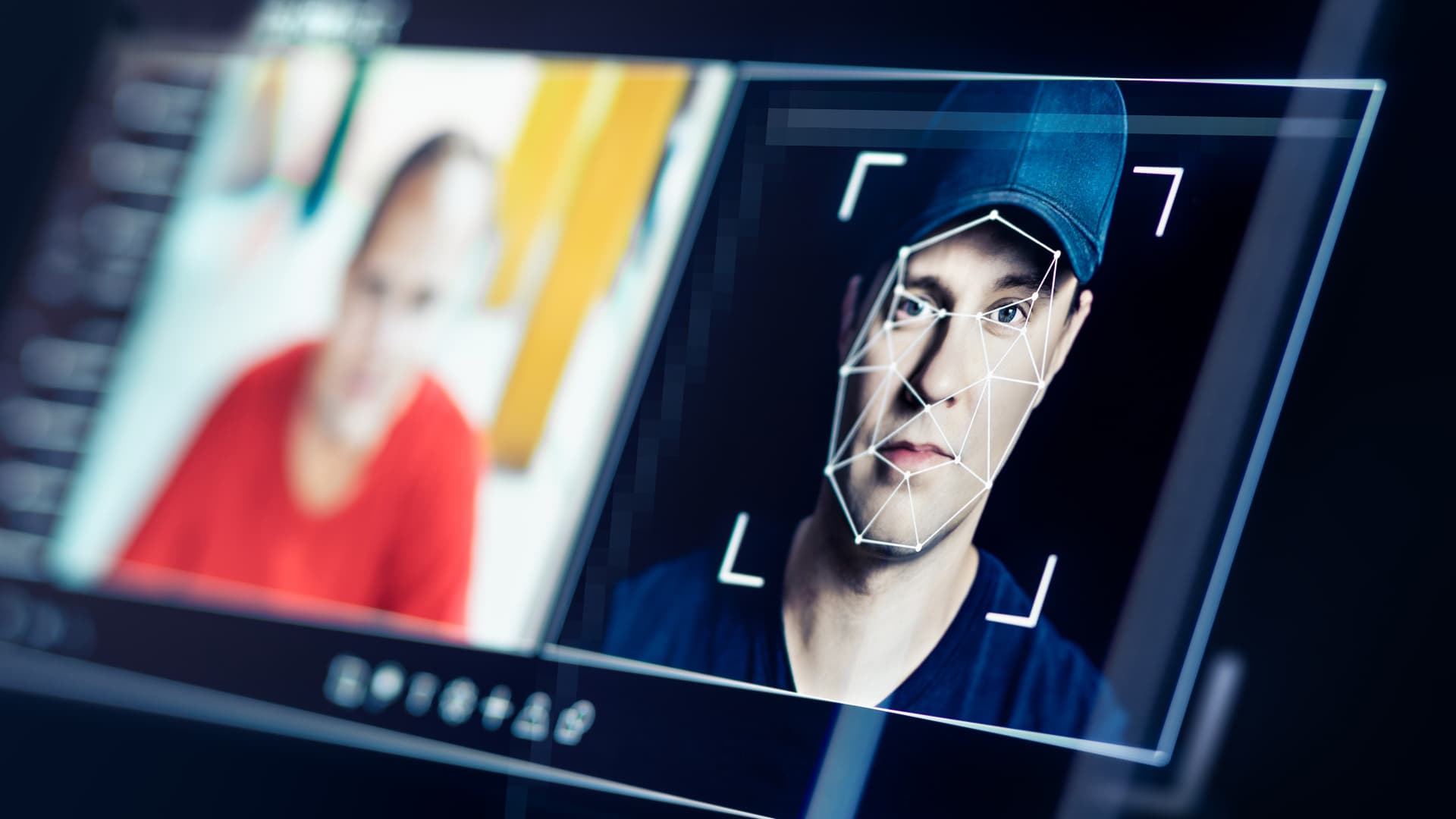
“Deepfake candidates are infiltrating the job market at a crazy, unprecedented rate,” stated Vijay Balasubramaniyan, CEO of Pindrop Security. He explained that creating deepfakes for video interviews has become increasingly simple, requiring little more than a static image, video of another individual, and a few seconds of their voice.
The Threat of North Korean Impostors
While fake candidates can emerge from various locations, those connected to North Korea have captured significant media attention. In a May 2024 incident, the Justice Department reported that over 300 U.S. companies had unknowingly hired impostors linked to North Korea, reaping millions in revenue through remote IT roles.
National Security Risks
Aarti Samani, an expert in AI deepfake fraud prevention, highlighted the national security implications of hiring candidates from sanctioned nations. Hiring impostors from such regions can inadvertently fund illicit activities, posing serious risks to U.S. interests.
Impact on the Hiring Process
The rapid evolution of AI technology is undermining the credibility of hiring practices. Roger Grimes, a veteran computer security consultant, noted that deepfake candidates can disrupt the hiring process, leading to longer, more expensive recruitment cycles. He expressed concern that genuine candidates might miss out on job opportunities simply due to uncertainty surrounding their authenticity.
As companies navigate this increasingly complex landscape, it is crucial to develop tools and strategies for verifying the identity of job candidates. Fostering a more secure hiring environment will help safeguard businesses and protect national security as the remote work trend continues to expand.
Deepfake Candidates: A New Challenge for Employers
In the era of remote work, an unsettling trend is emerging in the job market: the rise of deepfake candidates. These impersonators are leveraging advanced technology to deceive companies, potentially compromising not only their hiring processes but also national security.
The Growing Concern of Deepfake Job Seekers
Recent studies reveal alarming statistics about the infiltration of deepfake candidates in the recruitment landscape. For example, about 17% of hiring managers have reported encounters with applicants utilizing deepfake technology during video interviews. This trend may become increasingly prevalent as projections indicate that by 2028, approximately one in four job candidates globally may be fabricated.
Technology Makes Deception Easy
Creating a deepfake for a job interview has become alarmingly simple. All that is required is a static image or video of a real person, along with a few seconds of their voice. This ease of access poses significant risks for employers who may unknowingly hire impostors instead of genuine candidates. The remote work dynamic has further exacerbated this issue, as it allows these fake candidates to masquerade effectively.
International Implications and Security Risks
Fraudulent job seekers are not confined to local boundaries; they often originate from different parts of the world. Recently, cases involving candidates linked to North Korea have made headlines. For instance, over 300 U.S. companies allegedly hired these impostors for remote IT roles, resulting in substantial revenue losses and raising serious security concerns.
Funding Illicit Activities Through Deception
The ramifications of hiring candidates from sanctioned nations extend beyond financial losses. Experts warn that these individuals could potentially fund illicit activities in their home countries using the salaries earned from U.S. companies. This highlights the urgent need for employers to verify the authenticity of job applicants to prevent unintentional collaborations with hostile entities.
The Impact on the Hiring Process
The infiltration of deepfake candidates disrupts not only individual companies but the entire hiring process. Authentic candidates may find themselves at a disadvantage in a landscape where uncertainty surrounds their credibility. This can lead to longer recruitment times and increased costs, as companies scramble to verify the identities of their applicants.
Strategies for Combatting Deepfake Candidates
In light of growing concerns, organizations must implement robust verification tools to ensure the authenticity of job applicants. Implementing advanced technologies or manual verification processes can help distinguish between real candidates and deepfakes. By staying ahead of these technological threats, companies can safeguard their hiring processes and protect their operational integrity.
Conclusion
The rise of deepfake candidates represents a multifaceted challenge for today’s employers. As technology continues to evolve, staying vigilant and proactive in verification methods will be critical in mitigating risks associated with fraudulent job seekers. Through awareness and strategic measures, businesses can navigate this new landscape effectively.
