


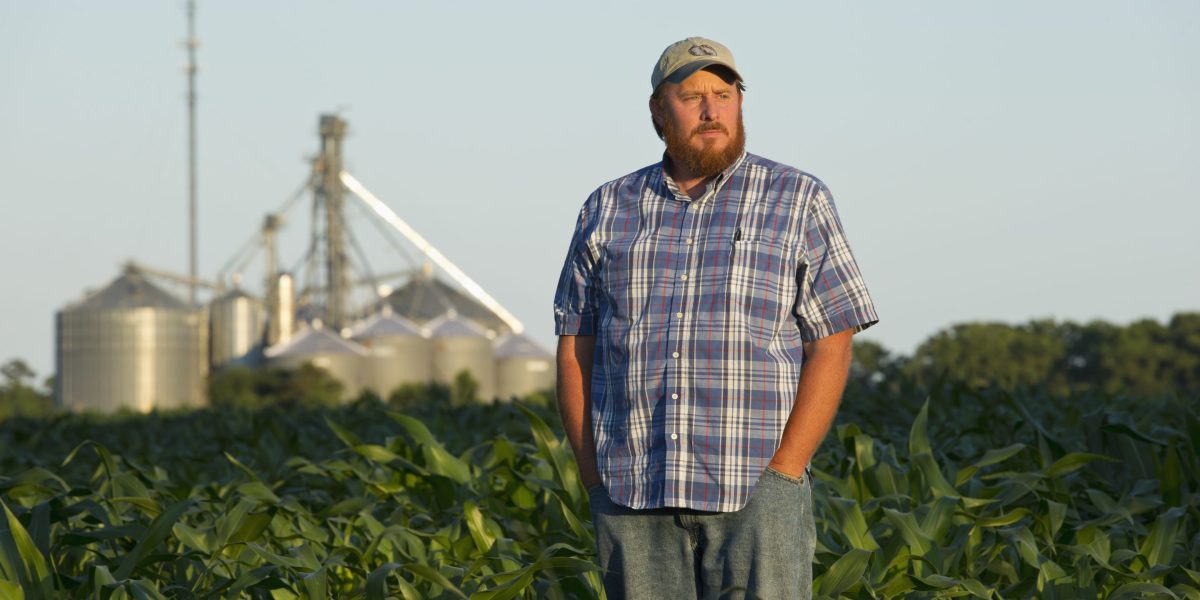
The U.S. has invested billions in expanding broadband access to rural communities, yet many intended users are still not engaging with these services.
Importance of Broadband Adoption
To avoid funding infrastructure that goes unused, it’s crucial for governments to shift their focus from mere access to actual adoption. Without addressing the reasons why rural Americans are not online, they risk leaving these citizens further isolated from essential healthcare, educational resources, and the expanding remote job market, which now comprises nearly a quarter of the U.S. workforce.
Rural Broadband Availability vs. Uptake
Most discussions surrounding rural broadband have rightly concentrated on improving availability. Federal and state initiatives have successfully prioritized reaching remote areas by constructing towers and enhancing last-mile delivery methods. However, access alone does not ensure usage. While broadband networks are growing across rural America, many regions still exhibit low adoption rates.
Current Statistics on Broadband Usage
As of 2021, approximately one in five rural households had yet to subscribe to a broadband service. Among these, nearly 25% reported a lack of interest, indicating that their reluctance was not rooted in affordability or technical skill but rather in the perceived relevance of broadband services.
By 2023, broadband adoption climbed above 80% among younger adults in rural areas, but the numbers sharply declined with age. Only 68% of rural residents over 75 had broadband access, while adoption rates among those aged 65-74 stood at around 71%. In contrast, over 80% of individuals under 50 were connected. This digital divide reflects not only generational gaps but also entrenched habits among older Americans who may not see the need for change.
Impact of Low Adoption Rates
The economic consequences of low broadband uptake are significant. Counties with high adoption rates experience stronger job growth, increased self-employment, and higher income gains. Today, roughly 22% of the workforce, or about 32 million Americans, engage in remote work at least part-time—a significant spike from just 6% pre-pandemic. Despite the remote work surge potentially fading, the opportunities for rural communities to tap into remote-capable jobs remain compelling. However, many mid-career rural workers express a willingness to acquire new skills for these roles yet may lack the broadband access to begin training.
Historical Context and Modern Challenges
This issue mirrors historical challenges related to rural electrification and telephone service in the mid-20th century. Infrastructure improvements alone were inadequate; outreach, financing, and cultural adaptation were essential—especially for older residents. It took years to shift behaviors and foster trust in new technologies.
Recent programs like the Affordable Connectivity Program aimed to assist low-income households in gaining online access, but they haven’t fully closed the gap. The individuals who benefited most were typically already inclined to value broadband. Those still offline tend to be older, more isolated, and less convinced of its importance.
Local Solutions for Broadband Engagement
To bridge the broadband adoption gap, efforts must initiate at the local level. Although national subsidies facilitate network construction, meaningful work occurs where trust exists—such as in neighborhoods, schools, libraries, and clinics. These anchor points in rural communities are ideally suited to convey how broadband can address everyday challenges.
Innovative Strategies for Encouraging Usage
Some states are implementing digital navigator programs that educate local leaders to help residents confidently use the internet. Additionally, offering a year of free service could allow individuals to explore how broadband can fit into their lives. If lack of relevance is the obstacle, trial access may serve as an effective bridge. These initiatives emphasize demonstrating value through actual usage, not just availability.
Without direct local engagement, the digital divide may widen. Young people may migrate in search of digital opportunities, while older adults might grow more detached. To secure the economic benefits of broadband, widespread community participation is essential. If significant portions of a community remain offline, the anticipated returns on investment will not materialize. The federal government has established a physical infrastructure; the next crucial step involves developing a social strategy that supports education, outreach, and trial access. Residents must not only have the option to connect but also find compelling reasons to log on—be it consulting a doctor remotely, assisting a child with homework, or securing a remote job that offers city-level wages from the comfort of their homes.
Broadband Adoption Challenges in Rural America
Despite substantial investments to extend broadband services to rural communities, significant numbers of residents remain offline. This lack of engagement restricts access to essential services such as healthcare, education, and remote job opportunities, which are increasingly important in today’s economy.
The Focus Shift: From Access to Adoption
Most discussions surrounding rural broadband primarily address availability, emphasizing the need for infrastructure improvements like tower constructions and last-mile delivery upgrades. However, merely providing access does not ensure residents will utilize these services. While broadband networks are expanding across rural America, adoption rates often remain disappointingly low.
Generational Divide in Broadband Usage
As of 2021, nearly 20% of rural households lacked a broadband subscription, with many expressing indifference rather than financial or technical limitations. By 2023, while broadband adoption among younger adults surged past 80%, older demographics showed significant lag; only 68% of adults over 75 utilized broadband, highlighting a clear generational divide. Younger residents are adapting to digital advancements much faster than their older counterparts, who often cling to traditional practices.
Impact of Disconnection on Local Economies
The implications of limited broadband adoption on economic growth are significant. Areas with higher levels of broadband usage tend to witness better job growth, increased self-employment, and greater income disparities. With about 22% of the U.S. workforce—approximately 32 million people—engaging in remote work post-pandemic, rural communities have a vast opportunity that remains largely untapped due to low engagement.
Lessons from History: The Need for Outreach
Historical parallels can be drawn with past efforts in rural electrification and telephone service, underscoring that infrastructure alone is insufficient. Achieving widespread adoption requires educational outreach and cultural adaptation—especially for older generations who may be less familiar with digital tools. Programs like the Affordable Connectivity Program aimed to address these gaps, yet the most significant beneficiaries were often those already inclined to appreciate the value of broadband.
Bridging the Gap Through Local Initiatives
Addressing the broadband adoption gap necessitates a grassroots approach. While national funding supports the construction of networks, true change occurs at the community level. Local institutions—such as schools, libraries, and clinics—can serve as vital resources for promoting digital literacy and demonstrating how broadband enhances daily living. Initiatives such as digital navigator programs, which train local leaders in technology advocacy, are essential for inspiring confidence among residents.
The Path Forward: Encouraging Engagement
One practical solution to encourage broadband adoption is to offer trial periods of free service, allowing residents to explore how the internet can enhance their lives. If relevance remains the primary obstacle, providing an avenue for residents to understand its daily importance will be pivotal. Without robust local engagement, the gap between online and offline communities is likely to widen, resulting in economic loss and social isolation. The future of broadband adoption in rural America requires not just infrastructure, but a concerted effort to engage residents and make digital connectivity relevant and accessible.
