


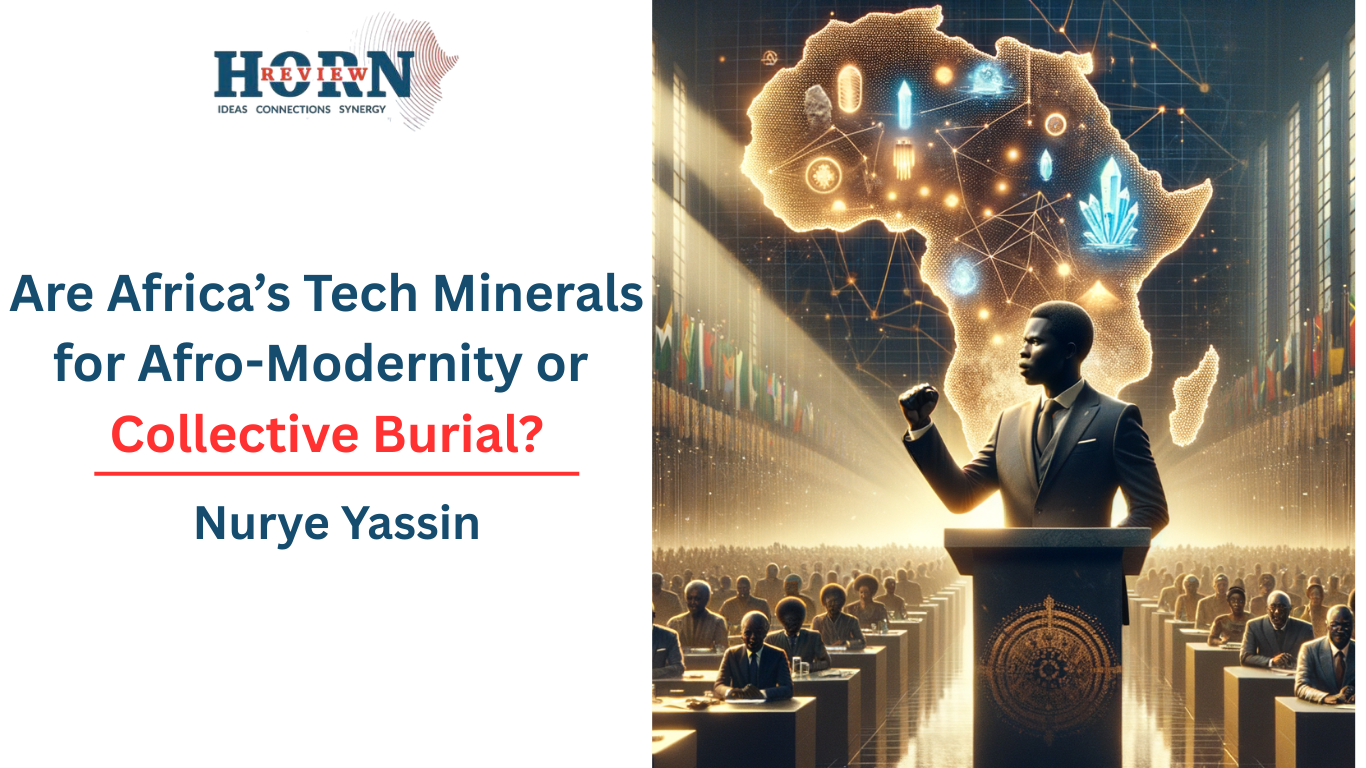
The Shift in Global Power Dynamics: Africa’s Role in the AI and Technology Era
The landscape of global power is evolving, with its roots increasingly found in digital arenas, data centers, and research labs rather than conventional war fronts in regions like the Middle East, Indo-Pacific, and Europe. This shift signifies a transformation in the sources of authority, as geo-technology emerges as a fusion of cutting-edge technologies and security measures. It highlights the importance of technological prowess in advancing a nation’s security interests and global standing.
The Rise of AI and its Impact on Global Power
In this transformative AI era, power is no longer derived from conventional military might but from the innovation occurring in strategic industrial labs and data centers. Control over critical minerals is crucial as it shapes the Fourth Industrial Revolution. As emerging technologies redefine the fabric of the world, nations—both major and regional—are directing investments toward computational technologies, aiming for tech sovereignty and robust industrial capacity in this new age.
Africa’s Mineral Resources and Strategic Importance
Africa stands at the forefront with its abundant deposits of critical minerals and energy resources, essential for driving advanced manufacturing technologies. Positioned as a crucial junction between the East and West, Africa has the potential to reshape financial connectivity and facilitate geo-economic corridors. The continent’s rich reserves of rare earth elements and clean energies are vital for any comprehensive green and digital transition.
The Challenges of Africa’s Current Position
Despite its vast potential, Africa currently finds itself lagging in the geo-technological AI race. The continent must strategically translate its resource wealth into meaningful action while adeptly navigating the ongoing resource conflicts. The late Ali Mazrui, a prominent African scholar, poignantly examined the paradox of Africa’s resources being exploited for the gains of industrialized nations while its people remained marginalized. His insights raise urgent questions about the future of Africa in a shifting geopolitical context.
A Call for Collective Action and Negotiation
Africa’s role as a central player in the evolving geo-technological landscape necessitates a unified approach toward negotiating its position in the global arena. By banding together, African nations can transform their critical mineral resources into a formidable industrial strength, thus fostering a collective bargaining power that can overturn the historically unequal partnerships with foreign powers. A recent initiative taken during the 2025 African Climate Summit highlighted the need for strategic cooperation among mineral-producing nations to boost Africa’s standing.
The Fragmented Approach: A Barrier to Progress
Currently, Africa’s response to the global rush for tech minerals remains fragmented, with countries pursuing bilateral agreements that weaken their negotiating power. This fragmented approach fails to address the imbalanced partnerships that exist today. To truly capitalize on its resources, Africa must approach the world as a cohesive entity, leveraging its critical minerals for greater scientific and economic independence.
A Path Forward for Africa
Ethiopia is setting a commendable example by integrating AI across sectors such as health, agriculture, and service industries. By investing in digital infrastructure and working collaboratively with other African countries, Ethiopia is positioning itself favorably within the global knowledge economy. To achieve similar success, the continent must adopt a coordinated strategy on critical minerals and energy resources that empower emerging technologies while fostering diversified partnerships.
In conclusion, scientific independence is key to achieving economic, political, and foreign policy autonomy for Africa. This moment represents a pivotal opportunity to transform the narrative from one of exploitation to one of empowerment, utilizing resources to promote both growth and genuine development. By seizing this chance, Africa can redefine its future in the global technology landscape.
By Nurye Yassin, Researcher on Horn-Gulf Affairs
Africa’s Strategic Role in the Global Tech Landscape
The Shift in Global Power Dynamics
The future of global power is increasingly defined not by traditional military strength but by advancements in digital technology and innovation. This shift prioritizes data centers, research facilities, and emerging industries such as artificial intelligence (AI). As geopolitical landscapes evolve, the concept of power is now linked closely to technological dominance and the resources that support it.
Critical Minerals and the Fourth Industrial Revolution
Control over critical minerals has become pivotal in shaping the future of industry and determining the course of the Fourth Industrial Revolution. As nations and corporations vie for technological supremacy, those who dominate the supply of essential minerals will dictate the future economic landscape. Africa is uniquely positioned, endowed with vast reserves of these valuable minerals, to play a crucial role in this new era.
Africa’s Potential in the Global Economy
Africa stands at the crossroads of technological innovation, with its abundant reserves of rare earth elements and other critical resources. These assets are essential for powering advanced manufacturing and establishing significant geopolitical corridors. If leveraged wisely, Africa can facilitate improved financial connectivity and assert its role as a leading player in the global economy.
Challenges in Harnessing Resources
Despite its potential, Africa faces significant challenges in maximizing the benefits of its resources. Historical patterns of exploitation have often left the continent marginalized. The need for a paradigm shift is evident; African nations must learn to manage their critical minerals effectively and engage with global powers on equitable terms to ensure their integration into the tech-driven economy.
Collaborative Approaches for Success
A unity among African nations in negotiating and managing technological resources is crucial. By approaching the global market as a collective, African countries can strengthen their bargaining power and optimize the benefits derived from their mineral wealth. Coalitions focused on resource management and technological development can reshape the narrative of Africa’s role in geopolitics.
Leading by Example: Ethiopia’s Technological Advancements
Ethiopia exemplifies a proactive approach by leveraging AI across multiple sectors. Its commitment to building digital infrastructure and engaging in strategic international partnerships can serve as a model for other nations. By investing in technology and embracing innovation, Ethiopia aims to position itself as a key player within the global knowledge economy.
Future Directions for Africa
As the world increasingly relies on digital technologies, Africa’s opportunity to redefine its role and assert its significance in the emerging global landscape is unprecedented. By adopting coordinated strategies on critical minerals and fostering technological partnerships, the continent can pursue pathways towards scientific independence and greater international standing.
