


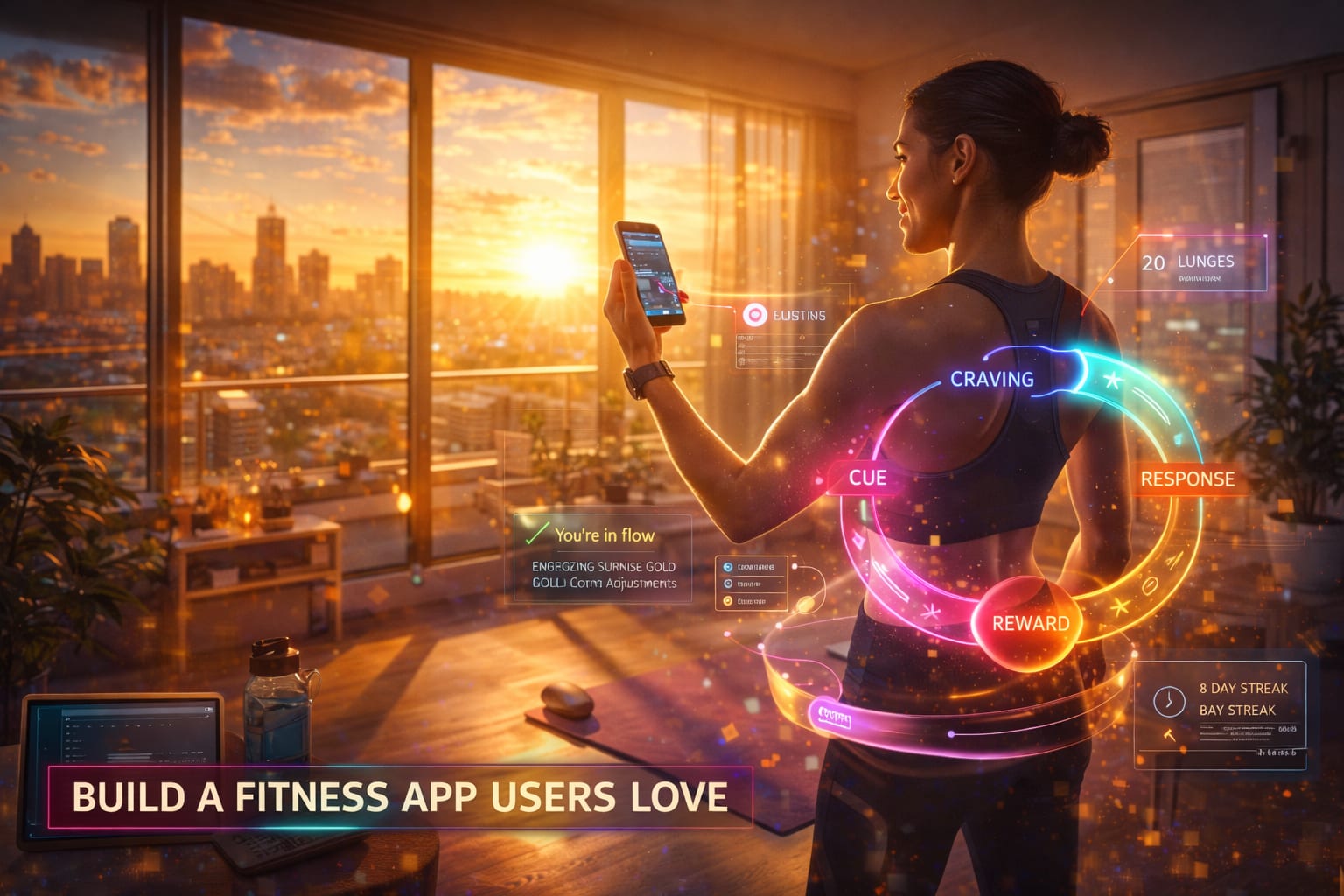
The fitness app landscape in 2026 has transformed dramatically; no longer is it merely about the quantity of workout videos available. Instead, the focus has shifted to sustaining user motivation and engagement. According to the 2025 Global Digital Health Report, while initial downloads for health apps are robust, nearly 60% of users abandon them within thirty days, primarily due to generic experiences. It’s crucial for app founders and product managers to prioritize user retention by moving beyond basic tracking functionalities.
The Shift Toward Hyper-Personalization
As we look into 2026, the term “personalized” has taken on a new meaning. In previous years, it sufficed to include a user’s name in notifications. Now, genuine personalization means making real-time adjustments to workouts based on biometric recovery data. The industry’s focus has shifted from static programming to reactive coaching, leading to the decline of legacy apps and the rise of more adaptive platforms.
Integrating Wearables for Enhanced User Experience
Today’s users expect their fitness apps to seamlessly integrate with a variety of devices, such as Oura rings, Apple Watches, and even smart clothing. Apps that can ingest and analyze this biometric data to tailor workouts in real-time will be deemed cutting-edge. Simplifying decision-making can alleviate “cognitive load” and diminish user attrition, thereby establishing a frictionless experience that enhances user motivation.
The Role of Behavioral Science in User Retention
Understanding the “Hook Model” is key for effective user retention. This model comprises four components: Triggers, Actions, Variable Rewards, and Investment. Moving away from generic notifications, triggers should be contextual—like notifying users when their heart rate variability indicates readiness for a workout. Offering variable rewards such as community-driven milestones rather than mere digital badges is now essential for improved engagement.
The Three Pillars Supporting Retention
Successful fitness apps rely on three foundational pillars: Biometric Synchronization, Community and Social Validation, and Progressive UI/UX. The app should serve as the central nervous system, efficiently managing all health data and recommending adjustments. Community engagement is crucial, as asynchronous competitions can foster connections and keep users more active. Finally, a progressive user interface ensures that both beginners and experts can navigate the app effectively, allowing for a tailored experience.
Implementing Features for Long-Term Engagement
To build a fitness app that retains users, it’s vital to follow a structured approach. Start with defining “Meaningful Actions,” such as “Workouts Completed per Week,” as your North Star metric. Opt for advanced technologies like Flutter or React Native for the frontend and a robust backend system like Node.js. Additionally, implement a proactive notification strategy that focuses on insights rather than nudges to keep users engaged.
Understanding Risks and Limitations
While creating a comprehensive all-in-one fitness ecosystem can be appealing, it comes with inherent risks. Users may feel overwhelmed by over-personalization, leading to potential disengagement if they perceive the app as intrusive. Furthermore, the complexity of processing large volumes of biometric data can incur significant costs, pushing developers to consider edge processing solutions to manage this data efficiently without breaking the bank.
Conclusion: Essential Takeaways for Fitness App Developers
In conclusion, fitness apps in 2026 must evolve beyond mere tracking functionalities to deliver valuable insights that resonate with users. Fostering community interactions and simplifying the onboarding process are critical for reducing churn. Prioritizing “Rest as Performance” will not only enhance trust but also improve user perception of the app’s value, ultimately driving long-term engagement and success.
The Future of Fitness Apps: Keeping Users Engaged in 2026
The fitness app industry is evolving rapidly, transitioning from a focus on content quantity to user motivation. Reports show that while initial downloads for health apps remain high, nearly 60% of users disengage within the first month if the app experience feels generic. To thrive, app developers must prioritize user retention strategies that go beyond basic workout tracking.
Embracing Personalization in Fitness Applications
Personalization has transformed from simply addressing users by name to offering real-time workout recommendations based on biometric data. As the market moves towards advanced coaching techniques, fitness apps must adapt to provide more than just static workout routines. The rise of wearable tech means users expect apps to sync seamlessly with devices like fitness trackers and smart clothing, allowing for tailored workout adjustments. Streamlining the decision-making process for users and minimizing cognitive load is crucial for maintaining engagement.
How Behavioral Science Drives Retention
Understanding the “Hook Model” is essential for enhancing user engagement. This model consists of four main components: Trigger, Action, Variable Reward, and Investment. Innovative notifications that provide insights rather than mere reminders can motivate users to take action. For instance, notifying users about their protein intake progress can enhance their commitment to fitness goals, fostering a deeper connection to the app.
The Three Pillars of User Retention
Successful fitness apps rest on three foundational pillars: biometric synchronization, community engagement, and progressive UI/UX design. First, apps should act as central nervous systems, managing health data from various sources to deliver empathetic, personalized feedback. Second, fostering community participation through features like asynchronous competition can enhance user motivation and increase retention. Lastly, a user interface that evolves with experience—simplifying for beginners while providing detailed analytics for experts—ensures users remain engaged at every stage of their fitness journey.
Implementing Effective Strategies for Retention
To effectively build a retention-focused fitness app, a strategic approach is essential. Start by identifying your “North Star” metric, focusing on meaningful user actions rather than mere daily active users. Selecting the appropriate technology stack is critical; leveraging frameworks like Flutter for frontend development and Node.js for backend can optimize performance. Additionally, proactive notification strategies that provide users with insights about their fitness journey will foster a sense of achievement and keep them engaged.
Making the Most of AI Tools
The integration of AI tools can significantly enhance a fitness app’s capabilities. Using foundational APIs like HealthKit or Google Fit fosters smooth data synchronization, while advanced analytics platforms like Mixpanel help track user behavior and identify areas for improvement. Leveraging these technologies can create an empathetic virtual coach experience that personalizes interactions, ultimately driving user loyalty.
Addressing Challenges and Limitations
While developing a comprehensive “all-in-one” fitness app ecosystem offers many advantages, it also presents challenges such as over-automation, which can lead to feelings of intrusiveness among users. It’s crucial to prioritize a balance between personalization and user comfort by seeking consent before utilizing sensitive data for workout adjustments. Additionally, managing operational costs related to processing biometric data is vital; solutions like edge processing can help alleviate expenses while maintaining app performance.
Conclusion: Key Strategies for Success in Fitness Apps
Future fitness apps must prioritize personalization, community engagement, and intuitive design to foster long-term user retention. By leveraging AI technology, optimizing onboarding experiences, and addressing potential pitfalls, developers can create engaging applications that resonate deeply with users. Emphasizing recovery and balanced fitness approaches will further solidify trust and reliance on these digital wellness platforms.
