
Your bank balance may seem stable at the beginning of the week, but by Friday it can feel like a mystery, muddied by unexpected fees and impulsive purchases. While various budgeting apps promise to help clear this confusion, not all deliver the same results.
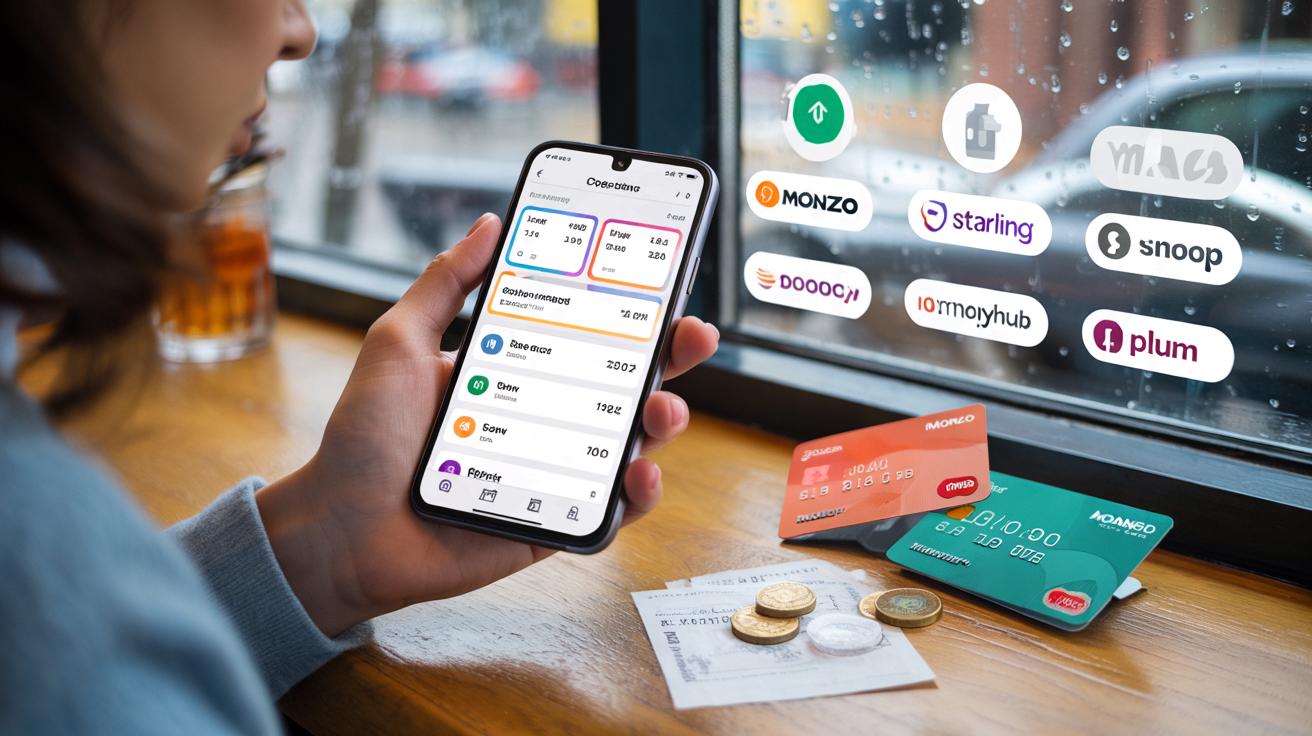
On a rainy Tuesday in Manchester, I decided to stop relying on guesses and instead set up a more structured approach. Sat in a cozy café with my oat flat white rapidly cooling, I connected five different accounts across three banks to a selection of budgeting apps. Notifications buzzed like eager birds, and transactions were categorized with surprising accuracy. I felt both vulnerable and unexpectedly liberated.
What I Learned from a Month of Budget Tracking
Over the course of four weeks, I meticulously tracked every expense—down to the misclassified kebab and my near-misses with the data. I sought hard evidence rather than fleeting promises. Some apps encouraged me to rethink my grocery spending habits, while others surprisingly nudged me toward better financial discipline. The revelations were not always where I anticipated.
The Common Traits of Effective Budgeting Apps
The apps that genuinely transformed my spending habits shared three key attributes: they presented my current financial situation without judgment, made actionable next steps clear and easy, and became unobtrusive once I followed their guidance. While attractive graphs are nice, effective budgeting relies on timely and subtle nudges.
For instance, during one testing phase, YNAB encouraged me to assign a purpose to every pound, resulting in a 19% reduction in my “miscellaneous” spending over that month. Monzo’s Pots organized my direct debits, preventing my grocery budget from being decimated, which successfully avoided an overdraft. Meanwhile, Snoop highlighted my escalating broadband bill, alerting me to a more affordable plan that saved me £14 monthly—no spreadsheets required.
Finding the Right Budgeting App for You
To make the most of a budgeting app, focus on one specific outcome rather than attempting to tackle everything at once. For example, if you want to curb takeaway spending, create that category, set a weekly limit, and activate alerts. Initially, link only your active spending accounts rather than all accounts, which can lead to overwhelm. Implement a simple “money check” each week, spending just ten minutes reviewing categories and reassigning leftover funds to a Pot or Pocket. These small, consistent actions yield significant results.
The Top Budgeting Apps Reviewed
Based on my testing experience, here’s a summarized list of some of the best budgeting apps available. YNAB is ideal for those serious about changing their financial habits, requiring just a two-week commitment to yield noticeable results. If you prefer an integrated banking experience, Monzo or Starling offer seamless functionality, showing real-time spending notifications and trend visuals. Plum is perfect for users seeking a more hands-off saving approach—quietly setting aside funds you hardly notice.
Conclusion: Prioritize Your Budgeting Strategy
If you aim for meaningful habit change, commit to using YNAB by dedicating time twice a week for review. Alternatively, if immediate clarity in your daily banking is what you seek, Monzo or Starling will serve you well with their user-friendly interfaces and insightful notifications. For those with limited time, let Plum help accumulate savings quietly. Ultimately, the most effective budgeting apps offer ease, speed, and a touch of monotony—that’s how they help you succeed.
“Budgets don’t fail because the maths is wrong. They fail because feedback arrives too late to matter.”
FAQs Regarding Budgeting Apps
Are budgeting apps safe in the UK? Yes, apps that connect via Open Banking don’t store your login details, and you can revoke access at any time.
What happened to Mint, and what alternatives exist in the UK? Mint shut down in 2024, leading many users to switch to Emma for daily tracking or Moneyhub for comprehensive financial overviews.
Can I budget without connecting my bank? Absolutely. YNAB allows for manual entry, although it’s somewhat slower but may make you more mindful of your spending.
Which is better for budgeting, Monzo or Starling? Both are excellent. Monzo offers a more visual and playful approach, while Starling’s interface is clean and focused on insightful spending data.
What’s a realistic first goal for budgeting? Identify one area to improve this month—like takeaway spending or subscriptions. Set a budget cap, enable alerts, and direct any leftover funds to a designated Pot on payday.
A Comprehensive Guide to Effective Budgeting Apps
Managing your finances can often feel overwhelming, especially when your bank account seems to vanish by the end of the week. Many turn to budgeting apps for clarity, but not all deliver the desired results. This article explores how to effectively use budgeting applications to transform your financial habits and streamline your spending.
The Revelation of Budgeting Apps
During a particularly rainy day, the need for financial transparency became apparent. Sitting in a local café, I connected multiple bank accounts to various budgeting apps. Almost instantly, I received notifications that categorized my transactions, revealing a clearer picture of my spending habits. This moment was a mix of vulnerability and relief; I was finally ready to tackle my finances head-on.
Key Features of Effective Budgeting Apps
Throughout four weeks of tracking expenses, certain apps stood out due to their ability to encourage behavior change. The most successful applications provided a clear view of current spending without passing judgment. They also broke tasks into manageable steps while allowing for easy navigation. The combination of insightful notifications and simple visualizations proved to be the winning formula.
Personalized Recommendations and Insights
Some applications notably influenced my spending habits. For instance, one app prompted me to categorize grocery expenses carefully, while another alerted me to unnecessary monthly charges, leading to significant savings. Real-time notifications made it easy to prevent overspending, allowing for more mindful financial decisions. In particular, tools that focused on assigning each pound a specific purpose proved to be most effective.
Choosing the Right Budgeting App for You
When selecting a budgeting app, start small. Focus on one specific aspect, like reducing takeaway expenses, before branching out to other areas. Incorporating only the accounts you use most frequently can help minimize confusion. Establishing a simple weekly review can also foster disciplined spending, as it allows you to reflect on your financial habits regularly.
Understanding Budgeting App Categories
While some apps may seem similar, they cater to different user needs. For comprehensive habit transformation, an app that employs zero-based budgeting may be ideal. On the other hand, for those seeking straightforward integration with daily banking, a platform that offers real-time updates may be more suitable. Additionally, some applications focus on automated savings, allowing users to build a financial cushion effortlessly.
Maximizing the Benefits of Budgeting Apps
To truly harness the power of budgeting apps, it’s essential to integrate them into your daily routine. By allowing the app to manage specific tasks, you can focus on broader financial goals, such as saving for retirement or tracking investments. Regular check-ins with your financial status can also enhance engagement and motivation, making budgeting less of a chore and more of a habit.
Conclusion: The Future of Financial Management
In summary, selecting the right budgeting app can lead to significant improvements in financial health. Whether you’re looking to cultivate new spending habits, simplify your banking experience, or enhance your savings strategy, the right tool can make all the difference. By embracing a streamlined approach to budgeting, you can move toward financial clarity and confidence.
FAQs
Are budgeting apps secure? Yes, reputable apps utilize Open Banking protocols, ensuring your login information remains confidential.
What alternatives exist for discontinued apps? For users looking for Mint alternatives, consider Emma for everyday tracking or Moneyhub for comprehensive financial insights.
Can budgeting be done manually? Yes, many apps support manual entry, although it may require more effort.
Which is better for budgeting: Monzo or Starling? Both offer robust budgeting features, but user preference varies based on interface and functionality.
What’s a good starting goal for budgeting? Identify one spending area to control, set limits, and gradually incorporate more categories as you progress.
