


The Influence of Generative AI on South Korea’s Mobile Applications
Introduction to Generative AI in Mobile Apps
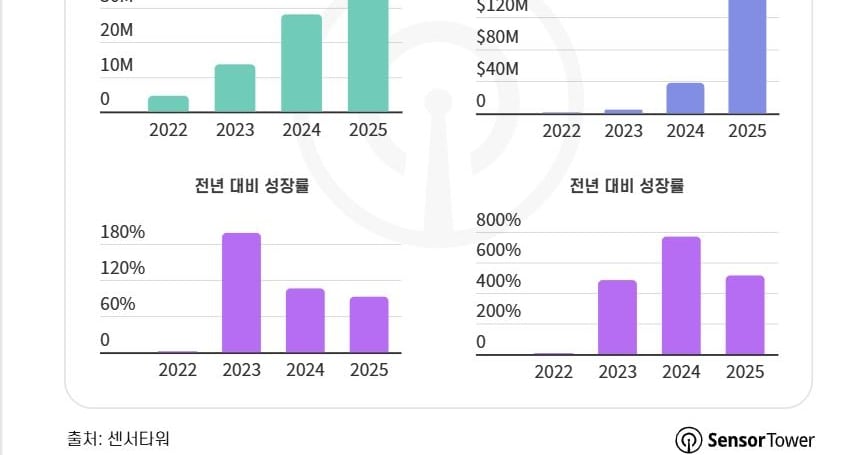
In recent years, generative AI has emerged as a powerful force in transforming the landscape of mobile applications in South Korea. This technology has not only enhanced the user experience but has also contributed significantly to the revenue generated from in-app purchases. A staggering 513% surge in in-app revenue has been observed, signaling a pivotal shift in how developers and consumers interact with mobile apps.
How Generative AI Enhances User Engagement
Generative AI plays a crucial role in personalizing user experiences, driving higher engagement rates among app users. By employing advanced algorithms, these applications can generate tailored content, from personalized recommendations to unique gaming scenarios. This level of customization leads to increased user retention and a stronger emotional connection to the app, significantly boosting in-app spending.
The Surge in In-App Revenue
The unprecedented 513% growth in in-app revenue within South Korea’s mobile app sector can largely be attributed to the introduction of generative AI. Apps that incorporate AI-driven features have reported substantial increases in transactions and user subscriptions. As consumers increasingly demand personalized experiences, developers are tapping into this trend, making generative AI a vital component of their business strategies.
Market Trends and Future Predictions
As the integration of generative AI continues to gain traction, market analysts predict a sustained upward trend in mobile app revenues. Apps leveraging these technologies not only see an immediate financial boost but also enjoy long-term benefits, such as increased brand loyalty and user advocacy. The evolution of AI tools is expected to create new opportunities for developers, enabling them to innovate rapidly and meet evolving consumer expectations.
Popular AI-Driven Applications in Korea
Several applications exemplify the integration of generative AI, leading to substantial revenue growth. Notable apps in Korea have leveraged this technology to improve features such as chat interfaces, content creation, and interactive gaming. These applications have become benchmarks in the industry, showcasing how AI can reshape user engagement and monetization strategies effectively.
Challenges and Considerations
Despite the numerous advantages brought by generative AI, developers face challenges such as ethical concerns and the complexities of AI integration. The responsibility to ensure that AI-generated content is safe, appropriate, and unbiased is paramount. Moreover, companies must invest in training and resources to accurately harness AI capabilities without undermining user trust.
Conclusion: The Future of Mobile Apps in Korea
The impact of generative AI on South Korea’s mobile applications is undeniable. With a remarkable increase in in-app revenue, the technology has transformed how users engage with apps, allowing for unprecedented personalization and interactivity. As developers continue to harness the power of generative AI, the future of mobile applications promises to be exciting and filled with innovative possibilities.
Surge in In-App Revenue: The Impact of Generative AI on Korean Mobile Apps
The Rise of Generative AI in Mobile Applications
In recent months, the mobile app landscape in Korea has undergone a remarkable transformation, primarily driven by advancements in Generative AI technology. This innovative approach to app development has not only enhanced user experiences but has also led to an unprecedented surge in in-app revenue. Industry experts are now suggesting that this dynamic shift is not just a trend but a paradigm change in the way mobile applications operate.
Explosive Growth in In-App Revenue
Statistics reveal that in-app revenue for Korean mobile applications has skyrocketed by an astonishing 513%. This growth is largely attributed to the introduction of features that leverage Generative AI, allowing developers to create more personalized and engaging content for users. As the demand for unique user experiences increases, developers are finding new ways to enhance their offerings, ultimately leading to greater monetization opportunities.
User-Centric Features Powered by AI
The integration of AI-driven features into mobile apps is a game-changer. For example, apps now utilize advanced algorithms to tailor content suggestions based on user behavior, preferences, and even real-time interactions. This level of personalization keeps users engaged and often results in higher conversion rates for in-app purchases. As a result, apps that previously struggled to gain traction are now witnessing a commendable rise in their user base and revenue streams.
Competitive Edge through Innovation
With the mobile app market becoming increasingly competitive, developers are aggressively adopting Generative AI to stay ahead of the curve. The ability to generate dynamic content in real-time sets these applications apart from their more static counterparts. As companies focus on creating interactive and immersive experiences, they are leveraging AI not just as a tool, but as a core component of their business strategies.
Challenges and Considerations
However, the rapid adoption of Generative AI is not without its challenges. Developers must grapple with issues related to data privacy, ethical considerations, and the need for transparent algorithms. As they navigate these complexities, it is crucial for companies to prioritize user trust while maximizing the benefits of AI integration. Ensuring that users feel secure and informed about how their data is used will be pivotal in sustaining long-term success.
The Future of Mobile Apps in South Korea
The future of mobile applications in South Korea looks promising, with ongoing advancements in AI technology paving the way for even more innovative solutions. As more developers incorporate AI into their apps, we can expect to see an array of unique features that will further enhance user experiences. This evolution not only signifies a new era for mobile applications but also represents a broader push towards digital transformation across various sectors.
