


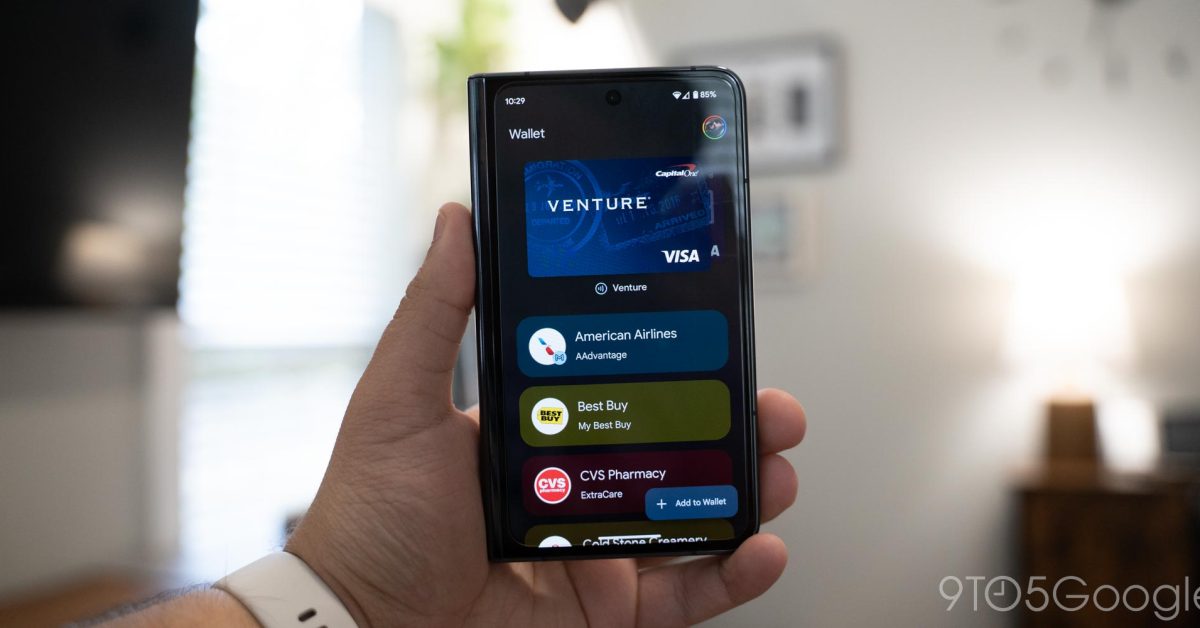
In 2024, Google Wallet has introduced a new security feature requiring users to “verify it’s you” shortly after unlocking their phones. This requirement is now extending beyond just payment transactions and applies to accessing the entire Google Wallet application.
New Security Features for Google Wallet
Over the past year, Google Wallet users noticed that trying to make tap-to-pay transactions more than three minutes after unlocking their devices resulted in a notification stating, “For your security, you need to verify it’s you before paying.” This restriction was aimed at enhancing payment security, necessitating the user to authenticate using a PIN, pattern, password, or biometric unlock methods such as fingerprint or facial recognition.
For security, your payment methods can’t be used unless you verify it’s you. If you’ve verified it’s you on your device in the past few minutes, you may not need to verify for another transaction. Once the verification has timed out, you must verify again for your next transaction.
App Access Now Requires Authentication
Recently, Google Wallet has begun testing a new protocol: after a three-minute interval, users cannot access even the home screen of the app without authentication. A splash screen appears with the Wallet logo and prompts users to authenticate, enhancing privacy and security.
Interestingly, users may still encounter the older notification prompt occasionally. However, the full-screen verification interface is becoming more common. This update is available in version 25.18 of Google Wallet, impacting both Pixel and Samsung devices.
Implications for Privacy and Security
This security upgrade represents a significant enhancement, particularly as digital wallets increasingly store sensitive information, including state IDs, passports, home and vehicle keys, boarding passes, and medical records. It’s crucial for users to prevent unauthorized access to such vital data.
Conversely, there’s a valid argument for requiring authentication only when utilizing payment functions, especially for less sensitive items like loyalty cards or commonly used transit passes. Balancing security and convenience remains a key consideration for both Google and its users.
Conclusion: Security vs. Convenience
Ultimately, Google appears to prioritize enhanced Wallet security over convenience, reflecting an industry-wide trend towards stricter security measures in digital transactions. Users must weigh the risks and benefits of these enhancements as they navigate their digital lives.
More on Google Wallet
FTC: We utilize income-generating affiliate links. More details available.
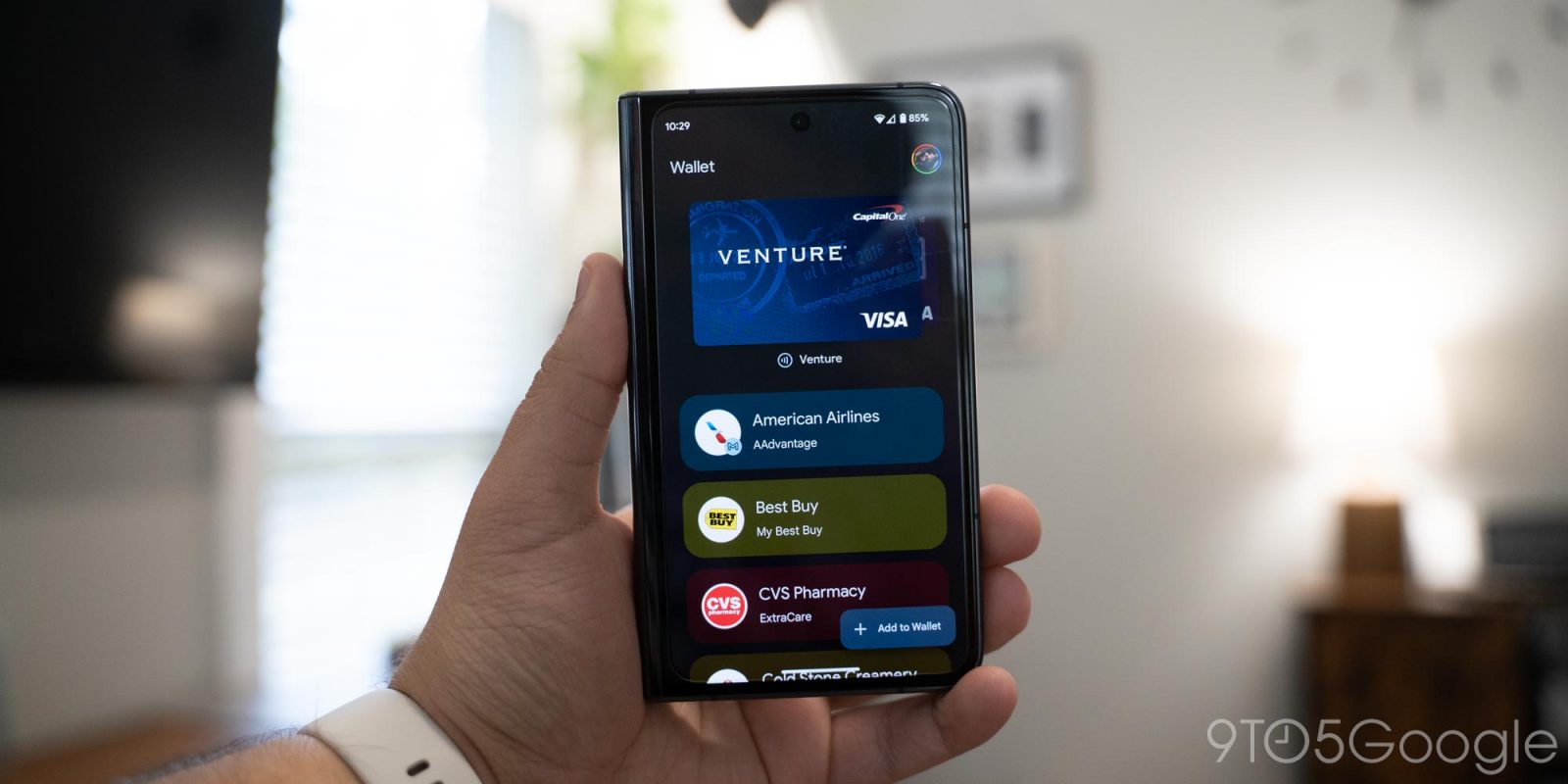
Enhanced Security Features of Google Wallet in 2024
In 2024, Google Wallet has introduced new security measures that elevate user protection and privacy. Users are now required to authenticate their identity shortly after unlocking their devices, extending this requirement to accessing the app itself.
New Authentication Process
Previously, users could open Google Wallet for up to three minutes after unlocking their phones without needing to authenticate. However, if users attempted to make a payment during this period, a notification would prompt them to “verify it’s you” before proceeding. This adjustment aimed to enhance security for transactions made via the app.
Changes to Accessing the App
Recent updates have brought about further changes in how users interact with Google Wallet. After a three-minute window post-unlock, users are now unable to access the app’s homepage and its functionalities without re-entering authentication details. This includes viewing their digital cards and passes.
A New Authentication Screen
Upon expiration of the three-minute window, a new splash screen featuring the Google Wallet logo appears, asking for authentication. Users must complete this verification to proceed. Some users report experiencing a mix of the older notification and the newer full-screen authentication requests, but the latter is becoming increasingly common.
The Importance of Enhanced Security
As digital wallets like Google Wallet evolve, they increasingly store sensitive information, including identification, access keys, and medical data. The new security measures aim to prevent unauthorized access to this information, ensuring user privacy and data security.
Convenience vs Security
While enhanced security is critical, it may raise questions about user convenience. Some users might find it cumbersome to authenticate for every access, especially when dealing with lesser value items like loyalty cards or transport passes. However, many agree that the trade-off favors stronger security when managing sensitive digital information.
Conclusion: Embracing Enhanced Wallet Security
With these recent updates, Google Wallet is taking significant steps to ensure that users’ digital lives are more secure. While the changes may require a bit more diligence from users, the benefits of safeguarding personal information far outweigh the inconveniences. This shift signifies a broader trend towards enhancing security measures in digital finance platforms, highlighting the importance of user privacy in today’s technological landscape.
