

Criticism of Apple Weather App Over Snowfall Forecasts
In a recent social media post, Baltimore FOX45 meteorologist Gerard Jebaily expressed his frustration with Apple and its weather app after it misrepresented snowfall forecasts leading up to a significant winter storm. Jebaily highlighted that the app had forecasted over 20 inches of snow just a day before the storm, only to later overstate actual snowfall totals.
Jaw-Dropping Predictions
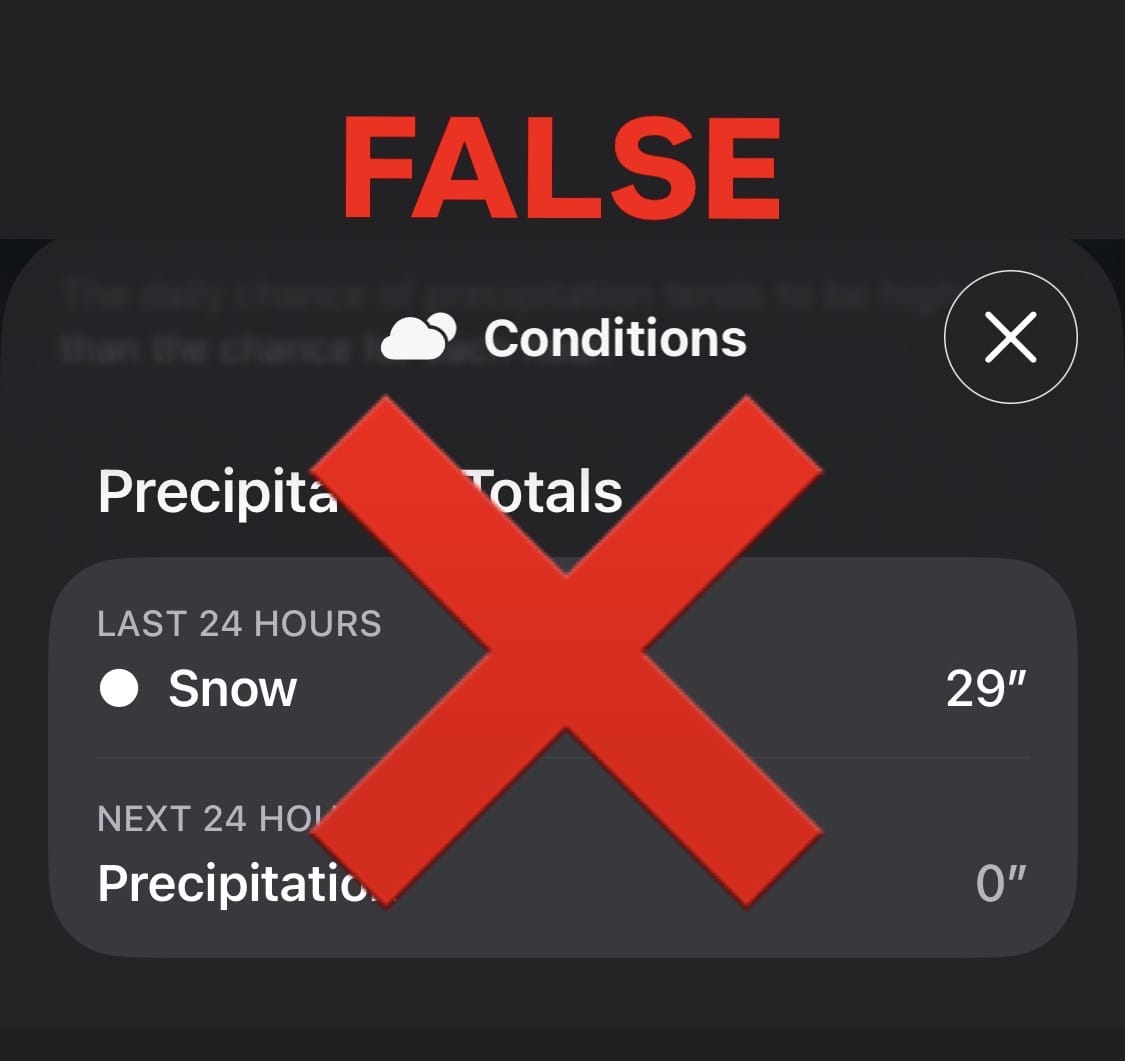
In his initial post, Jebaily exclaimed, “WOW! This is embarrassing. Did you see this on your phone this week? The Apple weather app was predicting over 20” of snow just one day before our storm! Not only was it INCREDIBLY wrong, but it is trying to say IT HAPPENED!?” His comments reflect a growing concern about the reliability of automated weather predictions.
Escalating Concerns Among Residents
Following his initial criticism, Jebaily escalated his remarks: “Apple you caused a weather panic in our city and now everybody is quite mad about it. Residents for the bad info, Meteorologists for being falsely associated with it, and worse, it is not even showing what actually happened. This needs fixing NOW!” The backlash underscored the vital need for accurate weather forecasting, especially during severe weather events.
Comparing Forecasts: Apple vs. Official Sources
Throughout the week, the Apple Weather app consistently displayed snowfall totals that greatly exceeded those from reliable sources. At times, it suggested more than two feet of snow across Maryland, while the National Weather Service (NWS) and local television stations provided more accurate forecasts, closely aligned with actual snowfall amounts.
Snowfall Totals: A Reality Check
In Montgomery County, actual snowfall ranged from 5 to 10 inches, with the NWS reporting a maximum of 11.8 inches in Clarksburg. In stark contrast, the Apple Weather app inaccurately claimed that 29 inches of precipitation had fallen in Gaithersburg shortly after midnight, a figure far from any confirmed reports.
Confusion and Frustration Among Residents
The discrepancies between the app’s predictions and actual snowfall fueled confusion among residents, some of whom directed their ire at local meteorologists. Many accused forecasters of predicting “two feet of snow,” a claim that originated from the app rather than scientifically grounded forecasts from local experts.
The Limits of Automated Weather Forecasts
Meteorologists have long cautioned about the shortcomings of automated weather apps, especially during complex winter storms when precipitation types change between snow, sleet, and rain. These automated models can vary widely and provide misleading information without the nuanced insight of professional meteorologists. The recent events serve as a stark reminder of the importance of relying on verified weather information.
Baltimore Meteorologist Critiques Apple Weather App After Misinformation
Concerns Raised Over Weather Predictions and Local Impact
Introduction
Recently, Baltimore’s weather forecast took a tumultuous turn, drawing the ire of local meteorologist Gerard Jebaily. The Apple Weather app, known for its widespread use, made headlines for its inaccurate snowfall predictions leading up to a significant winter storm.
Apple Weather App’s Forecast Missteps
In the days prior to the winter storm, the Apple Weather app startled residents with predictions forecasting over 20 inches of snow. This dire warning left many questioning the app’s reliability, especially when snowfall totals reported post-storm showed drastically lower amounts.
Gerard Jebaily’s Response
Taking to social media, Jebaily expressed his frustrations about the situation. He highlighted the app’s erroneous predictions, stating, “This is embarrassing! The Apple weather app was predicting over 20 inches just a day before the storm.” His comments resonated with those affected by the erroneous forecast.
The Fallout from Misleading Predictions
Jebaily escalated his criticism, addressing how the misleading information spurred panic among residents and frustrations directed towards local meteorologists. He noted that the inaccurate data not only angered community members but also misrepresented the hard work of local weather professionals.
Discrepancy in Snowfall Totals
The disparities were striking. While official snowfall measurements ranged from 5 to 10 inches in Montgomery County—reporting a top total of 11.8 inches in Clarksburg—the Apple Weather app claimed that over 29 inches had fallen in some areas. Such inaccuracies led to widespread confusion about the actual impact of the storm.
The Role of Automated Weather Apps
Experts have long cautioned users about the limitations of automated weather apps, particularly during complex winter storms. Shifting precipitation types, from snow to sleet to rain, can lead to significant forecasting errors when relying solely on automated predictions without experienced human input.
Conclusion: A Call for Improved Forecasting
The recent winter storm serves as a reminder of the critical role accurate weather reporting plays in public safety. Jebaily’s declarations underscore the need for improved forecasting accuracy in weather applications. Residents are encouraged to turn to trusted meteorologists and official weather services for reliable information, especially during severe weather scenarios.
