


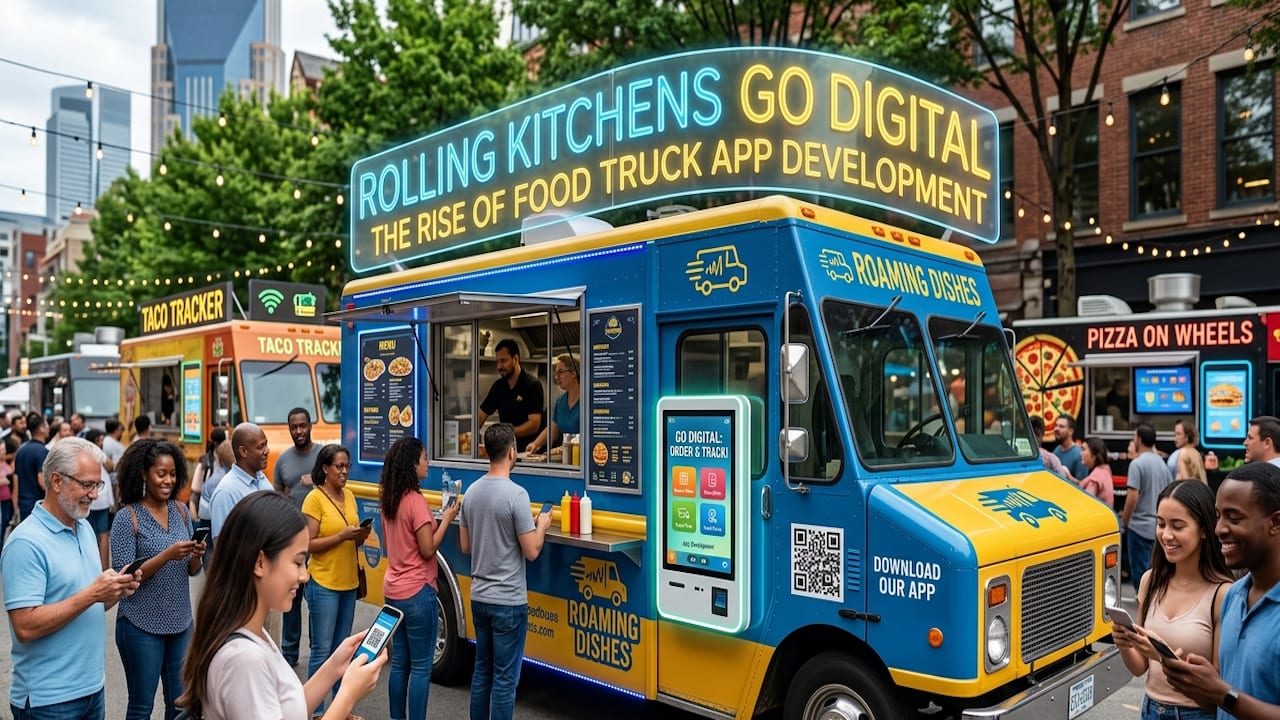
The food truck industry has experienced significant growth in the last decade, transitioning from a small street food concept into a vibrant and competitive business model. No longer confined to fixed locations and reliant on word-of-mouth marketing, food trucks are now harnessing digital transformation for broader audience engagement. Central to this evolution is food truck app development, which enables businesses to connect with customers, streamline operations, and offer engaging dining experiences.
The Mobility and Creativity of Food Truck Businesses
Food trucks are well-known for their mobility and creative culinary offerings. However, managing a mobile food business presents unique challenges. Customers often have difficulty locating their favorite food trucks, while owners struggle with order management, inventory tracking, and customer communication. Digital solutions have proven effective in mitigating these issues. With dedicated mobile applications, food truck operators can provide real-time updates regarding their locations, menus, and availability—thus enhancing the customer experience and operational efficiency.
Essential Features of Food Truck Applications
A successful food truck app must encompass features appealing to both customers and business owners. Real-time location tracking is a critical component; integrated GPS allows users to track food trucks accurately, facilitating better planning for visits. Menu displays and online ordering systems are equally vital, allowing customers to browse menu items and place orders ahead of time. This not only minimizes wait times but also enhances convenience.
Enhancing Customer Engagement
Providing an excellent customer experience is crucial for the success of food truck applications. User-friendly navigation, quick loading times, and visually appealing designs contribute to a positive experience. Personalization features, such as recommending dishes based on user preferences and order history, can further enhance the customer journey. Additionally, integrating loyalty programs and reward systems within these apps encourages repeat business, helping food truck operators build lasting relationships with their customers.
The Role of Advanced Technology in App Development
Food truck app development leverages advanced technologies to ensure high performance and reliability. Cloud computing offers scalable infrastructure capable of handling varying demand levels—from busy lunch hours to quieter evenings. Backend technologies manage order processing and user authentication, while frontend technologies create a smooth user interface. Together, these elements form a robust system to support real-time operations. Moreover, artificial intelligence can analyze customer behavior and optimize menu offerings, enhancing service quality and decision-making.
Business Advantages of Food Truck Apps
Food truck applications provide numerous business advantages. Increased visibility through a digital presence allows food trucks to reach a wider audience and attract new customers. Operational efficiency improves thanks to automated order management and digital payments, freeing owners to concentrate on food quality and customer service. Data analytics also yield valuable insights into customer behavior and sales performance, enabling businesses to make strategic decisions that enhance profitability.
Future Challenges and Opportunities in Food Truck Technology
While food truck apps offer substantial benefits, developing them comes with specific challenges. Ensuring accurate real-time location tracking is crucial, as inaccuracies can lead to customer dissatisfaction. Maintaining app performance during peak usage periods requires robust infrastructure. Security remains paramount; developers must prioritize user data protection to build trust and ensure safe transactions.
The Future Landscape of Food Truck Apps
The future of food truck app development is bright. Integrating emerging technologies like augmented reality could enable users to visualize menu items before ordering. Automation and IoT technologies stand to streamline operations even further, while sustainability practices could reduce food waste and enhance resource management. As technology evolves, food truck businesses that invest in digital solutions will position themselves for sustainable growth and success.
The rise of food truck app development signifies a pivotal change in the mobile food industry. By embracing digital technology, food trucks can address traditional challenges and curate immersive, customer-centric experiences. From real-time tracking and online ordering to personalized recommendations and data-driven insights, these applications equip food truck operators with the tools necessary to thrive in a competitive market.
Ultimately, food truck apps extend beyond mere convenience; they exemplify a potent blend of innovation, efficiency, and customer engagement, fundamentally shaping the future of the food industry.
Evolving Landscape of Food Truck Businesses
The food truck sector has undergone a significant transformation, evolving from a humble street food concept into a competitive and innovative business model. These mobile kitchens are now leveraging modern technology to expand their reach and enhance the customer experience, making food truck apps an essential tool for success in this fast-paced industry.
Changing Expectations in the Food Industry
In a world where convenience and speed are paramount, food trucks are responding to consumer expectations through mobile applications. These apps empower users to effortlessly locate food trucks, view menus, and place orders directly from their smartphones, reflecting a significant shift from traditional ordering methods to streamlined digital solutions.
Challenges of Running a Mobile Food Business
While the mobility and creativity of food trucks are their primary attractions, operational challenges remain. Customers often find it difficult to keep track of their favorite trucks’ locations, while owners struggle with order management and inventory tracking. However, dedicated apps can bridge these gaps by offering real-time updates and enhancing communication between vendors and consumers.
Must-Have Features for Food Truck Apps
Successful food truck applications incorporate key functionalities that cater to both customers and business owners. Real-time location tracking is critical, enabling users to find their favorite trucks with ease. Additionally, features like menu display, online ordering, and secure payment integration facilitate a seamless experience that encourages repeat business.
Enhancing the User Experience
Providing a top-notch customer experience is vital for the success of food truck apps. Features that enhance usability, such as intuitive navigation and personalized recommendations based on order history, shape a more engaging experience. Loyalty programs, offering rewards for frequent orders, further foster customer loyalty and increase sales.
Technological Innovations Driving Efficiency
Advanced technologies underpin the effectiveness of food truck applications. Cloud computing offers scalable infrastructure, while strong backend management handles data processing and secure transactions. Furthermore, artificial intelligence can analyze customer behaviors, helping businesses refine their offerings and optimize operational strategies.
Future Trends in Food Truck Technology
The outlook for food truck apps is bright, with emerging technologies poised to revolutionize how these businesses operate. Integration with augmented reality, automation through the Internet of Things (IoT), and a focus on sustainability are just a few of the trends that will shape the future of food trucks. As these technologies advance, they promise to enhance operational efficiency and deliver exceptional customer experiences.
Conclusion: Embracing Digital Solutions
The integration of app technology signifies a major leap forward for food truck businesses. By utilizing digital tools for real-time tracking, online orders, and customer engagement, food trucks can overcome traditional barriers and thrive in a competitive landscape. Embracing innovation not only enhances convenience for consumers but also positions food trucks for long-term growth and success.
