


Emergence of Screenless Tech Gadgets
The landscape of technology is evolving, and the next wave of gadgets may not feature traditional screens. These innovative devices, which include wearables like pendants and glasses, could be operating without consumers even realizing they’re recording or processing data.
Qualcomm’s New Chip for Wearable Technology
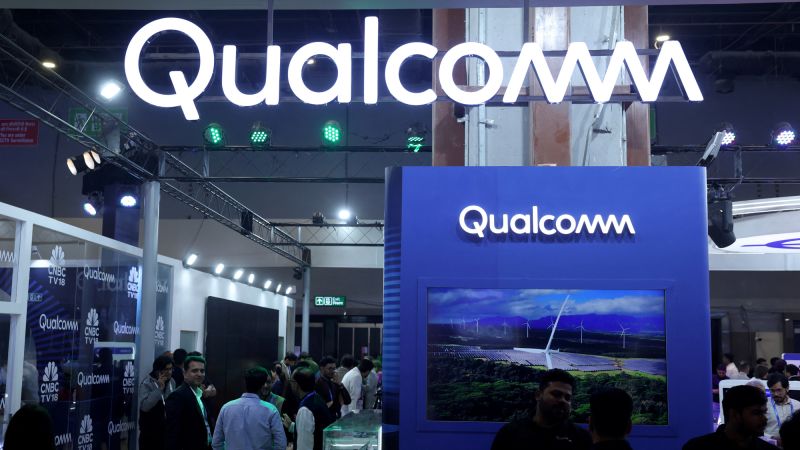
Qualcomm, a leading player in smartphone chip production, has introduced a new chip aimed at powering next-generation wearable devices. This growing interest in discreet tech gadgets marks a significant shift as companies seek to design products that blend seamlessly into daily life.
The Race for AI-Powered Products
In the tech world, companies are feverishly attempting to determine whether the rise of AI will spawn the next big consumer product, much like the internet did for smartphones. Qualcomm’s new developments could serve as a gauge for consumer tech trends, as their chips are already integrated into numerous devices from major manufacturers like Samsung and Meta.
Addressing Privacy Concerns
Tech firms face the challenge of demonstrating that these new products can outperform smartphones while addressing critical privacy concerns. As consumers grow increasingly aware of devices capable of covertly recording their environment, companies must prioritize transparency and security.
Insights from Qualcomm’s Leadership
Ziad Asghar, who spearheads Qualcomm’s wearables and personal AI division, noted the urgency for new chips arose from requests from different companies exploring innovative gadget concepts. The notable rise in smart glasses’ popularity has further validated this demand, with a reported 139% growth in global shipments during the latter half of 2025, according to Counterpoint Research.
The Snapdragon Wear Elite Chip
The newly introduced Snapdragon Wear Elite chip is designed to enhance devices like smartwatches and other wearables, including pins and pendants. This chip aims to facilitate seamless AI operations while conserving battery life, making it particularly suited for always-on devices that frequently interact with smartphones and other gadgets.
Challenges in Consumer Adoption
While the potential of wearable tech is vast, companies must overcome significant hurdles to earn consumer trust. Recent setbacks have shown that even major players can struggle with product reception. However, Asghar believes that wearables could outshine smartphones in certain practical applications, such as real-time translations during conversations.
Future Prospects of Wearable Devices
Industry giants like Meta, Google, and Samsung are investing heavily in developing smart glasses powered by AI, capable of providing contextual analysis of surroundings. Moreover, Amazon’s acquisition of Bee, a voice-recording bracelet, underscores the importance of integrating AI into everyday devices. As tech continues to advance, the role of wearables in our lives will only grow, transforming the way we interact with technology and the world around us.
Conclusion: Navigating the Future of Wearable Tech
As we embrace this era of screenless tech, the emphasis on user privacy and product efficacy remains paramount. Companies like Google are keenly aware of their responsibilities in managing user data and are committed to ensuring a positive experience with new products. This approach will be essential for fostering trust as consumers navigate the changing landscape of wearable technology.
The Future of Wearable Technology: Discreet Devices and AI Innovations
As technology evolves, the next generation of devices may be incredibly discreet, often without any visible screens. These new innovations could be seamlessly integrated into everyday items, making their functionality almost undetectable to the untrained eye.
Qualcomm’s Breakthrough in Chip Technology
Qualcomm, a leader in mobile chip technology, recently introduced a new chip designed specifically for wearable devices. This innovative hardware aims to enhance the capabilities of devices that resemble everyday accessories, such as pins, pendants, and glasses. The company has noted a marked increase in interest from tech firms looking to create these unobtrusive gadgets.
The Race for Innovation: AI and Wearable Devices
The tech industry is abuzz with speculation about AI’s role in driving the next big wave of consumer products, akin to the smartphone revolution that followed the internet boom. As Qualcomm supplies chips for brands like Samsung and Meta, their new initiatives may serve as indicators of broader trends in consumer technology.
Meeting Consumer Expectations
However, companies must demonstrate that these new gadgets offer unique functionalities that surpass traditional smartphones while addressing privacy anxieties associated with devices capable of recording surroundings discreetly.
Consumer Confidence in Smart Wearables
Ziad Asghar, who heads Qualcomm’s division focused on wearables and AI, emphasized that the demand for smart gadgets has exceeded expectations. Recent growth in smart glasses sales, with a reported 139% increase in shipments, signals consumer readiness for such technology.
Powering the Next Generation of Wearable Devices
The Snapdragon Wear Elite chip, tailored for everything from smartwatches to wearable pins, is designed to accommodate intensive AI tasks without draining battery life. Major brands like Google, Samsung, and Motorola are already preparing to integrate this technology into their product lines, aiming to bring AI applications directly to users.
Challenges Ahead: Consumer Acceptance and Ethical Considerations
Despite the potential advantages, companies face significant challenges in convincing consumers to adopt this new technology. Companies like Humane have experienced setbacks, highlighting the difficulty in gaining public interest. Additionally, the increasing capacity for continuous recording raises ethical questions that need careful consideration to avoid privacy breaches and ensure responsible use of such innovative gadgets.
The Path Forward: AI and Wearable Technology
Tech giants such as Meta, Google, and Apple are heavily investing in smart glasses that can provide real-time data analysis and context-aware responses, aiming to revolutionize how users interact with their environments. As the market evolves, the success of such devices will depend on their ability to offer superior functionalities while respecting user privacy and fostering consumer trust.
