


Key Takeaways from ZDNET
It has aided in fostering a healthier relationship with my phone.
Its positive reinforcement approach is more effective than competitors or screen time limits.
November 2025
With the digitization of our lives, screen addiction has become a prevalent issue. Many people I know report spending between three to eight hours daily on their phones, which raises concerns about the impact of such habits. Personally, I often find myself allocating around four hours toward checking emails, scrolling social media, and other tasks, time that could be redirected toward activities like reading or learning new skills.
As the days grow shorter in October, a sense of technology-induced fatigue often sets in. Instead of engaging in more productive activities, I tend to fall into the trap of endless scrolling on various platforms. This cycle leaves me feeling drained, prompting a determined yet futile attempt to delete social media apps and focus on other activities. Yet, as time passes, I often revert back to my old habits.
This year, motivated to break this cycle, I discovered Brick, a minimalistic device designed to block access to high-demand apps. Promoted as a tool that enables users to reclaim their time, I decided to test Brick for myself. The results have been promising, drastically changing how I engage with my most addictive apps.
Understanding Brick
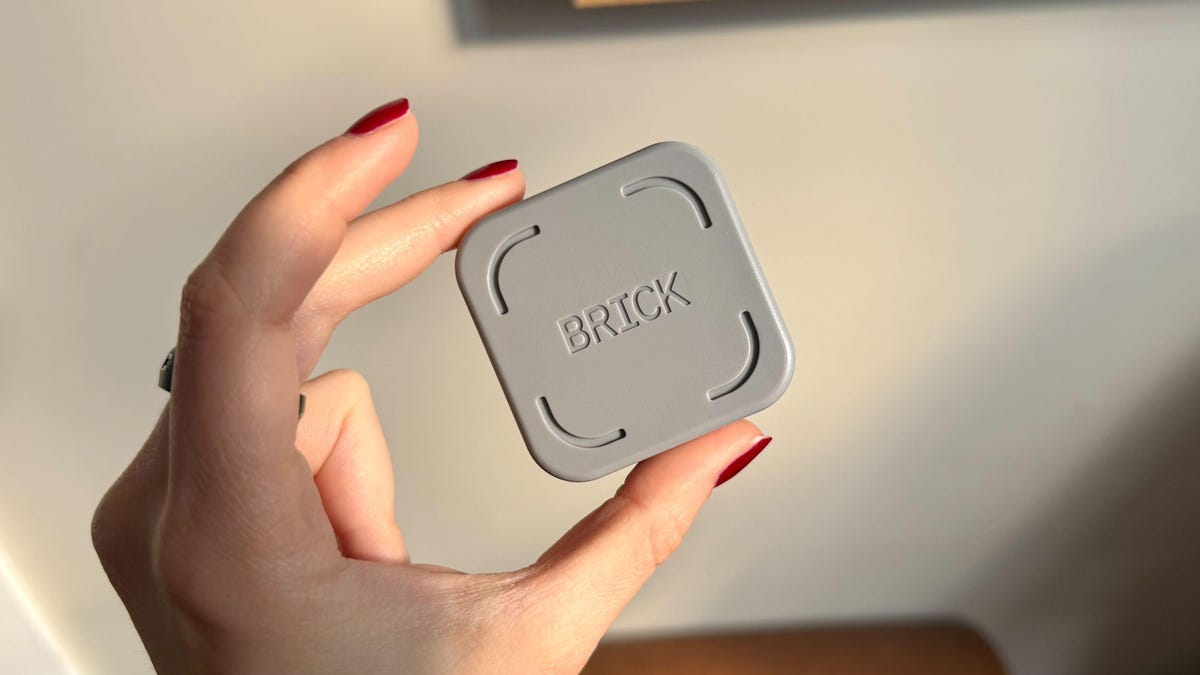
Brick is a compact, magnetic square paired with a mobile application. After downloading the app, users choose which apps to disable when their phone is “bricked.” The device uses NFC technology to enable or disable app access. With a simple tap, users can block access and, later, tap again to regain it.
My Journey with Brick
Initially, I didn’t set a schedule, opting to use the device based on my immediate needs. This flexibility allowed me to engage in periods of distraction-free time, which felt like an encouraging step toward overcoming my phone addiction. Though I anticipate the scheduling feature will be beneficial in the long run, I found the spontaneous approach adequate for now.
During my trials, I noticed my phone usage spiked during evenings at home. This was the prime time for me to use Brick actively. After some time locked out, I could completely focus on journaling or reading, experiences made more fulfilling thanks to the lack of distraction.
Why Brick is Effective
The Brick device changes my phone usage from a habitual reflex to a conscious choice, making it a privilege I earn through patience. Unlike traditional screen time limits that impose penalties, Brick offers positive feedback, reminding me how long I’ve been offline. This approach encourages a mindset shift toward healthier phone habits.
Suggestions for Improvement
While the device is impressive, it does have some limitations. Users need to have the physical Brick on hand to initiate or terminate scheduled usage. This can be inconvenient if you’re not in the same location as the device. Additionally, the app should ideally account for time zone changes automatically.
Final Thoughts and Recommendations
For anyone struggling with excessive phone use, Brick is a worthwhile investment at $55. After just one week of use, I saw a 7% reduction in my screen time. The positive reinforcement it provides can make a significant difference in enhancing productivity, both in personal time and work environments. Ultimately, Brick is a practical solution for those seeking more control over their digital use and an improved quality of life.
Transform Your Screen Time with Innovative Device
As technology continues to permeate our lives, the phenomenon of screen addiction becomes increasingly prevalent. Whether it’s browsing social media, checking emails, or scrolling through news feeds, the hours spent on our devices can easily accumulate without us realizing it. Many find themselves trapped in a cycle of dependency on their smartphones for both work and leisure. With an average of four hours a day spent on mobile devices, time that could be spent on enriching activities is often lost
The Challenge of Screen Addiction
In today’s fast-paced world, distractions abound, and it’s easy to lose track of time while mindlessly browsing. This addictive behavior can lead to feelings of frustration and a sense of being overwhelmed. Many people report feeling drained after spending their downtime scrolling through endless streams of information. To regain control over their attention and productivity, finding effective solutions is essential.
Introducing an Innovative Solution
Enter a new device designed specifically to combat screen time addiction. This minimalist and functional tool utilizes the latest NFC technology to help users regain their focus and connect with the world around them. By leveraging the concept of “bricking,” this device allows users to lock themselves out of their most distracting apps, providing a much-needed break from their smartphones.
How the Bricking Feature Works
The device is simple to use. Once it’s connected to a smartphone via a dedicated app, users can easily select which apps they want to disable temporarily. This handy tool can be activated with a tap, instantly blocking access to distracting applications. Users can enjoy customizable features such as scheduling to block certain apps during specific times, promoting a healthier relationship with technology.
Personal Experiences with Reduced Phone Dependency
Many users who’ve incorporated this device into their routine report a significant boost in productivity. For one individual, using the device for focused periods helped restore a sense of accomplishment and clarity throughout the day. Examples include engaging in activities such as journaling or diving into a good book, which were often overshadowed by screen time. The act of “bricking” the phone transforms app access into a privilege, rekindling the enjoyment of offline hobbies.
Positive Reinforcement vs. Negative Restrictions
One of the standout features of this device is its approach to screen time management. Unlike traditional app usage notifications that often feel like punitive limits, this device employs positive reinforcement to encourage users to take breaks from their screens. A visible timer displays how long users have been disconnected, allowing them to see the benefits of decreased screen time in real-time.
Conclusion: A Worthwhile Investment
For those seeking an effective way to manage screen time, the innovative tool offers a practical solution worth considering. With a relatively low investment, users can experience a dramatic improvement in their focus and overall well-being. Whether you’re looking to enhance productivity at work or simply gain more control over your personal time, this device is a game-changer. By actively engaging in healthier tech habits, you can reclaim your time and foster a more balanced relationship with technology.
