


Nobel Prize in Economics 2023: Celebrating Technological Innovation
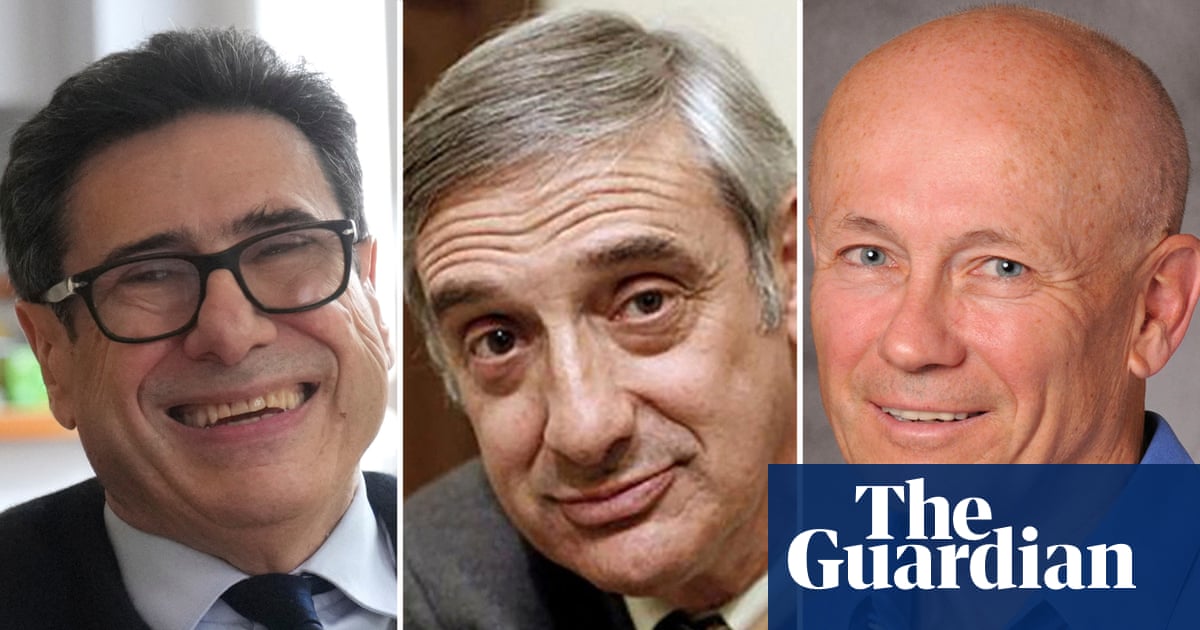
This year’s Nobel Prize in Economics has been awarded to three distinguished experts who have significantly contributed to understanding how technology drives economic growth. The recipients are Joel Mokyr of Northwestern University, Philippe Aghion from the Collège de France and Insead business school, and Peter Howitt of Brown University.
Prize Distribution and Recognition
Joel Mokyr has received half of the 11 million Swedish kronor prize, approximately £867,000, with the remaining amount equally divided between Aghion and Howitt. Their pioneering research focuses on innovation-driven economic growth, a topic of increasing relevance in today’s rapidly evolving landscape.
Impact of Technology on Economic Growth
The Royal Swedish Academy of Sciences announced the prize amid a surge in artificial intelligence advancements and ongoing debates about their societal implications, including effects on living standards. The Academy emphasized the trio’s contributions in explaining how technological innovations can foster sustained economic development.
Global Economic Context
The award comes at a time when nations worldwide are striving to overcome years of sluggish economic growth post the 2008 financial crisis. Concerns regarding stagnant productivity and slow progress in improving living standards are further complicated by rising political tensions across the globe.
Insights from Philippe Aghion
Philippe Aghion, a noted French economist, expressed concerns about growing trade barriers exacerbated by protectionist policies, particularly in the United States. He emphasized the importance of innovation in green industries and the necessity to curb the power of major tech monopolies to fuel future economic growth.
The Role of AI in Future Economies
During his acceptance speech, Aghion highlighted the significant growth potential of artificial intelligence. However, he urged governments to establish strict competition policies to prevent major firms from stifling new entrants and innovations, ensuring a vibrant ecosystem for future creators.
Future Prospects for Innovation
The Nobel Prize committee reminded us that while technological progress has driven economic growth over the past two centuries, future advancements cannot be assumed. Mokyr’s research has been pivotal in identifying the essential factors required for maintaining sustained growth through technology, while Aghion and Howitt have analyzed the concept of “creative destruction” as a vital driver of economic dynamism.
Conclusion on the Creative Destruction Model
John Hassler, the chair of the prize committee, articulated the need to uphold the mechanisms that support creative destruction to avoid regression into economic stagnation. Established in the 1960s, the Nobel Prize in Economic Sciences serves to honor exceptional contributions in this field, celebrating the legacy of Alfred Nobel.
Nobel Prize in Economics 2023
Celebrating Innovation and Economic Growth
This year, the Nobel Prize in Economics recognizes three distinguished experts who have profoundly impacted our understanding of how technology drives economic growth. Their groundbreaking work sheds light on the intricate relationship between innovation and sustainable development in the modern economy.
Meet the Laureates
The award is led by Joel Mokyr from Northwestern University, who received half of the 11 million Swedish kronor prize. The remaining half is shared between two illustrious scholars: Philippe Aghion from the Collège de France, Insead business school, and the London School of Economics, and Peter Howitt from Brown University.
Innovation-Driven Economic Growth
In the context of rapid advancements in artificial intelligence and ongoing discussions about its societal implications, the Royal Swedish Academy of Sciences has praised the trio for their pioneering insights into “innovation-driven economic growth.” Their research emphasizes the critical role of technological change in fostering sustainable economic development.
The Global Economic Landscape
This recognition comes at a time when nations worldwide are striving to rejuvenate sluggish economic growth following the 2008 financial crisis, coupled with concerns about declining productivity and political uncertainties. As a result, the discussions around innovation strategies are more crucial than ever.
Challenges Ahead for Economies
Philippe Aghion expressed concerns over the rising barriers to trade and protectionist measures, emphasizing the importance of innovation in green technologies. He pointed out that tackling monopolistic tendencies in the tech industry is essential in ensuring a robust economic future. Aghion advocated for competition policies to foster an environment where new innovators can thrive.
The Potential of AI
During his acceptance speech, Aghion highlighted the promising growth potential of artificial intelligence. However, he cautioned that robust policies are necessary to prevent monopolies from stifling competition and innovation. “We must ensure that today’s innovators do not inhibit the entry of future innovators,” he stated, underscoring the importance of maintaining a dynamic and competitive marketplace.
Looking to the Future
The Nobel Prize committee remarked that while technological advances have significantly fueled economic growth over the last two centuries, future gains must not be taken for granted. The essence of “creative destruction” is crucial in driving growth, as explained by Aghion and Howitt in their collaborative research.
Conclusion
As we look ahead, fostering the mechanisms that enable creative disruption will be vital to prevent economic stagnation. The Nobel Prize in Economics serves as a reminder of the enduring need for innovation in shaping a prosperous future.
