


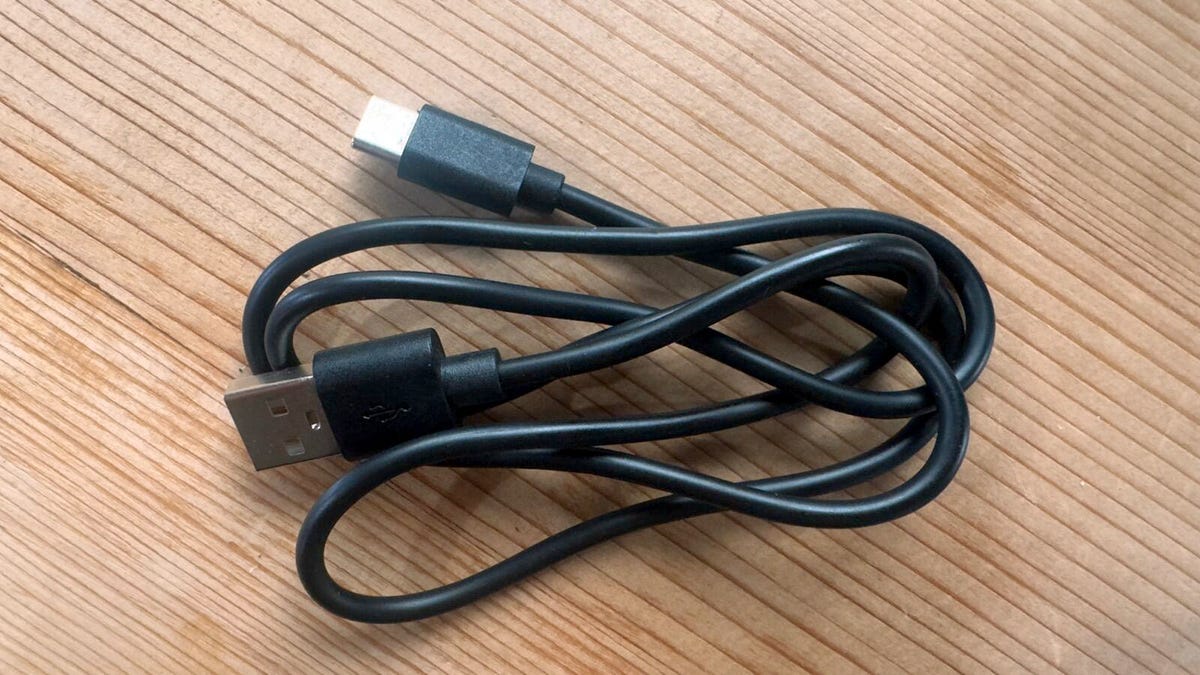
Did your gadget come with one of these? Don’t throw it away!
Adrian Kingsley-Hughes/ZDNET
While USB charging offers a significant improvement over the outdated proprietary connectors and protocols, it’s not without its frustrations. Many consumers still encounter issues, particularly when it comes to charging their devices correctly.
For instance, I have a portable thermal label printer that I find incredibly useful for keeping my belongings organized. This printer prints sharp, durable labels resistant to water, oil, acid, and heat. Despite its functionality and affordability at less than $30, I often discover it uncharged when I need it most.
Understanding USB-C Charging Limitations
Even though my printer boasts a USB-C port, it lacks the internal hardware required to utilize USB-C charging protocols. The manufacturer opted to cut costs by not including a couple of simple components—typically just two inexpensive resistors—that enable compatibility with various power inputs. Consequently, without these components, USB-C cannot deliver power as it first needs to negotiate the device’s requirements.
In contrast, USB-A ports provide a steady 5V output without any prior negotiations, making them more reliable for basic charging needs. This limitation can be incredibly frustrating when you assume that any USB-C charger will work with a USB-C device.
Identifying Charging Issues
If your device appears to have a USB-C port yet fails to charge with a USB-C cable, one quick way to identify the problem is to check the type of cable included with the device. A giveaway signal is the presence of a USB-A to USB-A charging cable, which implies that it may not be fully compliant with USB-C standards.
Interestingly, there are some USB-C chargers on the market that may still work with non-compliant devices. These chargers, although non-standard, can temporarily bridge the gap, creating a workaround until you find a compliant solution.
What to Do If Your Device Won’t Charge
If you find yourself in a situation where your USB-C device won’t charge from a standard USB-C charger, don’t despair. Avoid the temptation to throw the device away or take it apart. Instead, simply try using a USB-A to USB-C cable. This small change can often rectify the issue and get your device powered up in no time.
For tech enthusiasts, ensuring you have various types of cables, including universal ones, in your tech bag can be a lifesaver. These cables provide flexibility and can eliminate some of the frustrations associated with charging devices that do not adhere to standard protocols.
Stay informed about tech trends and troubleshooting tips by subscribing to our Tech Today newsletter and make your gadget experience smoother.
Understanding USB-C Charging Limitations
As USB charging technology has evolved, it has simplified the way we power our devices. However, there are still challenges that users may encounter, particularly with USB-C ports. This article will explore the intricacies of USB-C charging and provide solutions for common charging issues.
The Convenience of USB Charging
USB technology has significantly improved the charging experience compared to older proprietary connectors. Despite this progress, many users find themselves frustrated when their devices fail to charge as expected. A common scenario involves portable devices, such as thermal label printers, which typically feature USB-C ports but don’t always support USB-C charging protocols fully.
Why Do Some Devices Fail to Charge?
A primary reason devices may not charge via USB-C lies in the design choices made by manufacturers. While the device may have a USB-C port, it might lack the necessary components to communicate power requirements effectively. This typically involves basic components omitted to save costs. Without these components, the USB-C port cannot negotiate power delivery, resulting in a device that won’t charge.
USB-C vs. USB-A Charging
In contrast to USB-C, USB-A ports provide a default 5V power supply without requiring any negotiation. This means that devices designed to charge via USB-A will charge seamlessly, but USB-C devices lacking compliance may not have the same experience. Users might find their USB-C devices non-responsive when connected to a USB-C charger, signaling a deeper compatibility issue.
Identifying Compatibility Issues
One indicator of potential charging issues is the inclusion of a USB-A to USB-A cable in the device’s packaging. If a product comes with such a cable, it may signify that USB-C charging is not fully supported. Additionally, some non-compliant USB-C chargers may work intermittently, creating further confusion for users who expect consistent performance.
Solutions for Charging Difficulties
If you encounter a USB-C device that refuses to charge from a traditional USB-C charger, there is no need for alarm. Instead of discarding the device or attempting complicated repairs, consider using a USB-A to USB-C cable. This option often provides the necessary compatibility to restore charging functionality for devices that lack compliant power negotiation.
Conclusion
Understanding the limitations of USB-C charging can help users navigate power issues more effectively. By recognizing the signs of compatibility challenges and knowing how to address them, you can extend the usability of your devices. Always keep a USB-A to USB-C cable handy for those unexpected charging dilemmas, and stay informed to make the most out of your technology.
